


Jean-Philippe Rameau
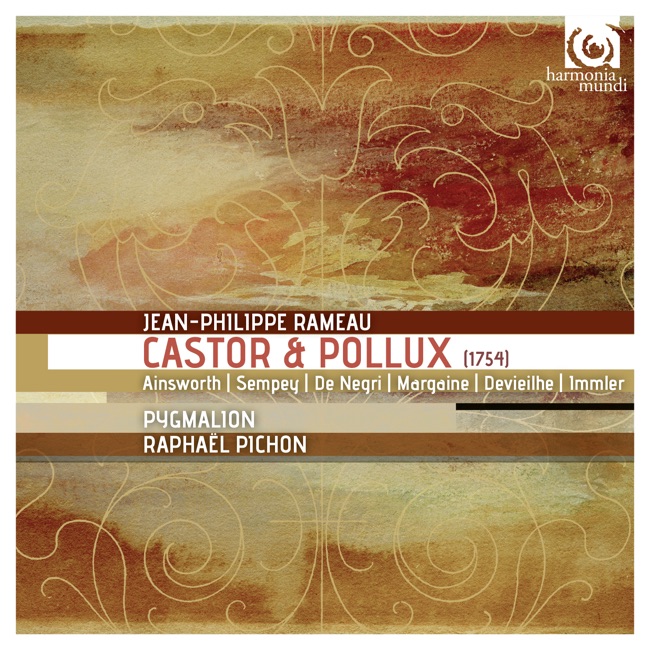
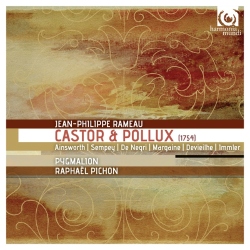
Castor et Pollux
Released Album
Recent Album


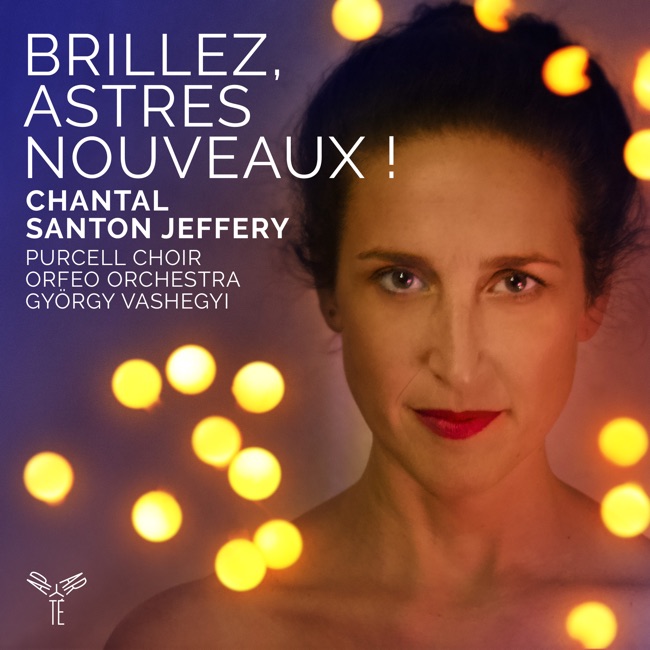
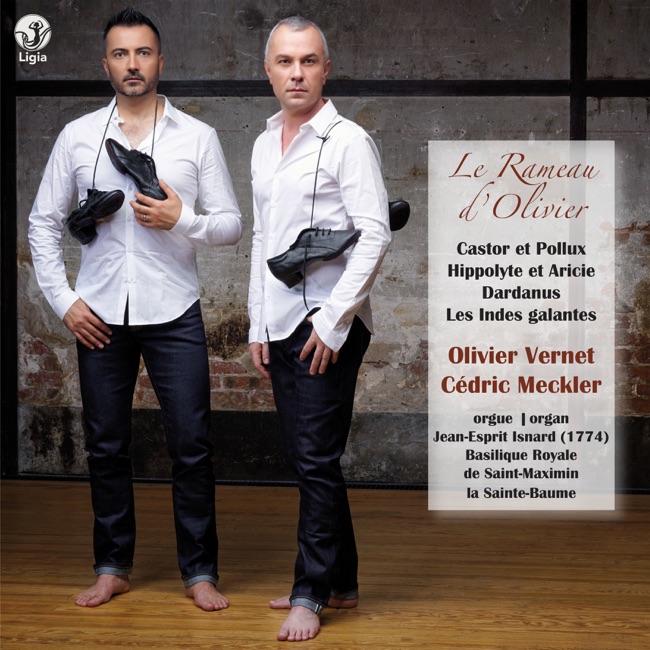
Featured Album
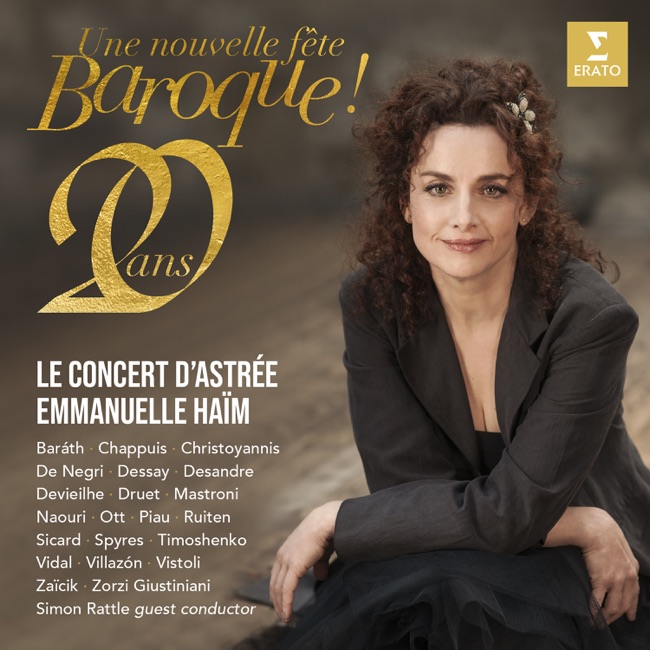
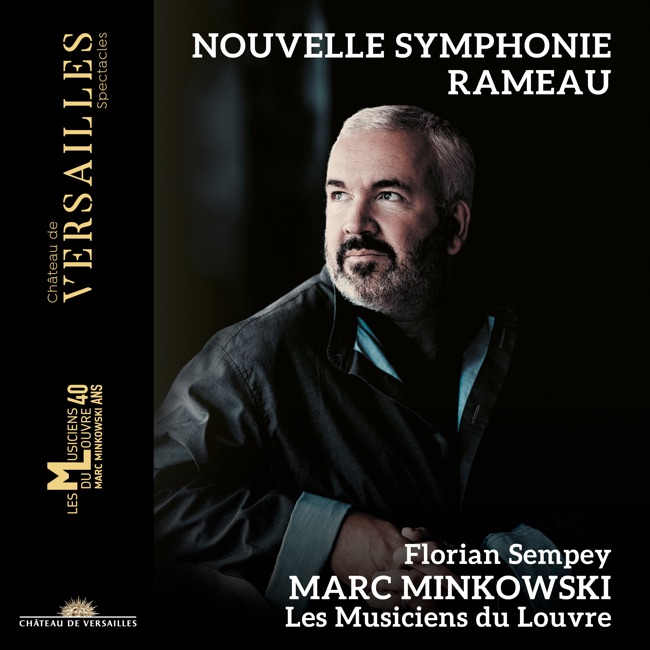
Works Info
Composer:Jean-Philippe RameauGenre:OperaStyle:OperaCompose Date:1737Publication Date:1737Average_duration:152:47Movement_count:55Movement ....Castor et Pollux is an opera composed by Jean-Philippe Rameau in 1737. The plot of the opera is based on the Greek myth of Castor and Pollux, the twin brothers who were the sons of Zeus and Leda. The opera is set in ancient Greece and tells the story of the love triangle between Castor, Pollux, and Télaïre. The opera is divided into five acts and features a prologue. The prologue sets the scene for the opera and introduces the characters. The first act begins with a chorus of Spartans who are preparing for battle. Castor and Pollux arrive on the scene and are greeted by the Spartans. Télaïre, who is in love with Castor, arrives and confesses her love to him. Castor, however, is in love with another woman, Phoebe. The second act takes place in the underworld, where Castor has been taken after being mortally wounded in battle. Pollux, who is devastated by his brother's death, begs the gods to allow him to join Castor in the underworld. The gods grant his wish, and the two brothers are reunited. In the third act, Télaïre is torn between her love for Castor and her loyalty to her country. She ultimately decides to betray Castor and reveal his location to the enemy. Castor is captured and sentenced to death. The fourth act features a battle between the Spartans and the enemy. Pollux fights bravely and is ultimately victorious. He is then faced with a difficult decision: he can either bring Castor back to life and return to the mortal world alone, or he can remain in the underworld with his brother. Pollux chooses to remain in the underworld with Castor. The final act features a celebration of the victory and the reconciliation of the characters. Télaïre is forgiven for her betrayal, and Castor and Pollux are honored as heroes. Castor et Pollux is known for its innovative use of harmony and orchestration. Rameau was one of the first composers to use the orchestra as a dramatic tool, and his use of dissonance and chromaticism was groundbreaking. The opera also features a number of memorable arias and choruses, including the famous "Tristes apprêts" aria sung by Télaïre in the third act. The opera premiered at the Académie Royale de Musique in Paris on October 24, 1737. It was a critical and commercial success and was revived several times during Rameau's lifetime. Castor et Pollux remains one of Rameau's most popular and enduring works.More....
Works Music
Released Music


Featured Music


Main Perform Artists
Baritone (Vocal)
Vocals
Harpsichord