


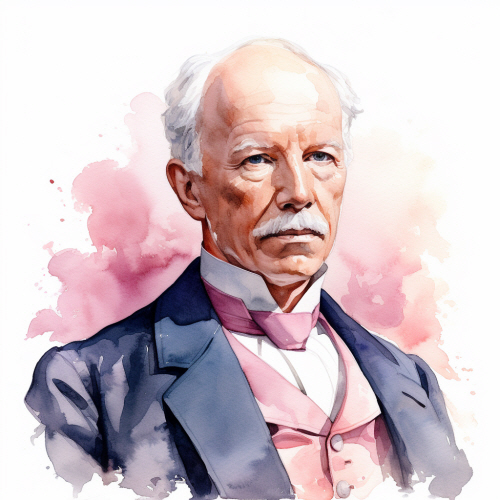
Richard Strauss
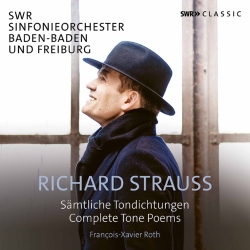
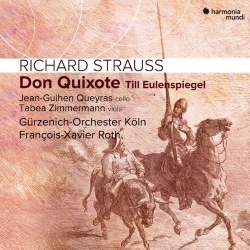
Don Quixote, Op. 35
Released Album
Recent Album
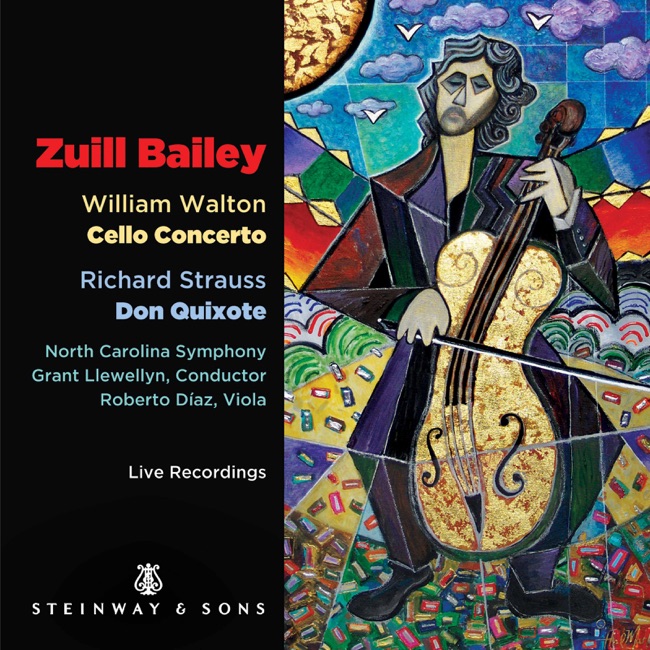
Featured Album
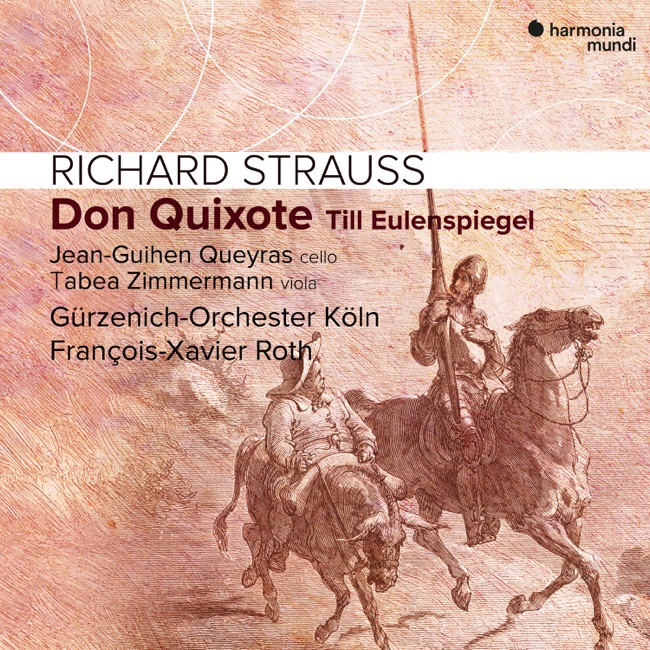
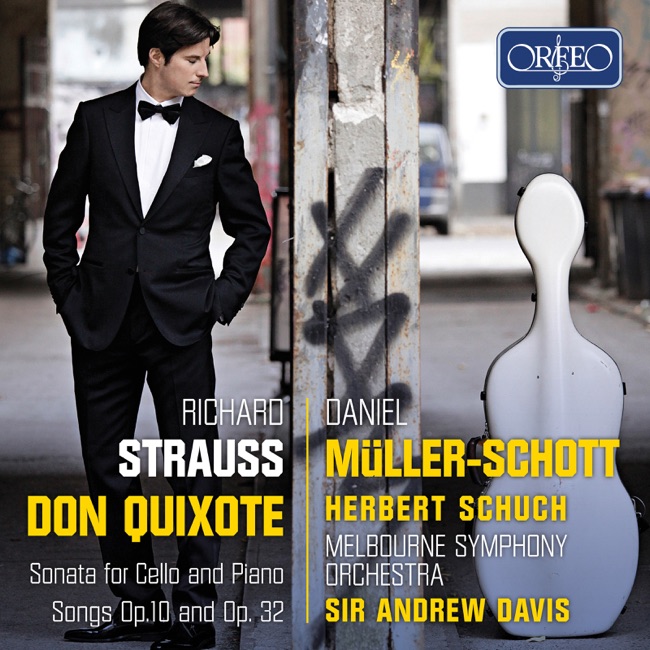
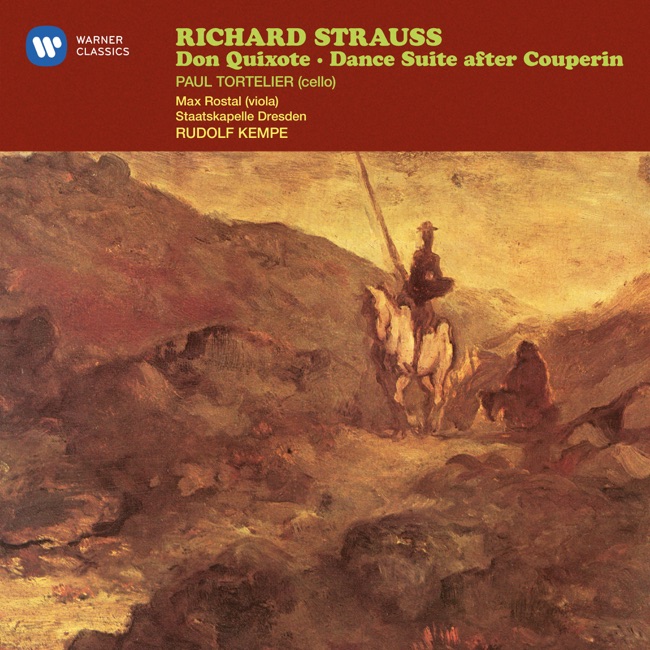
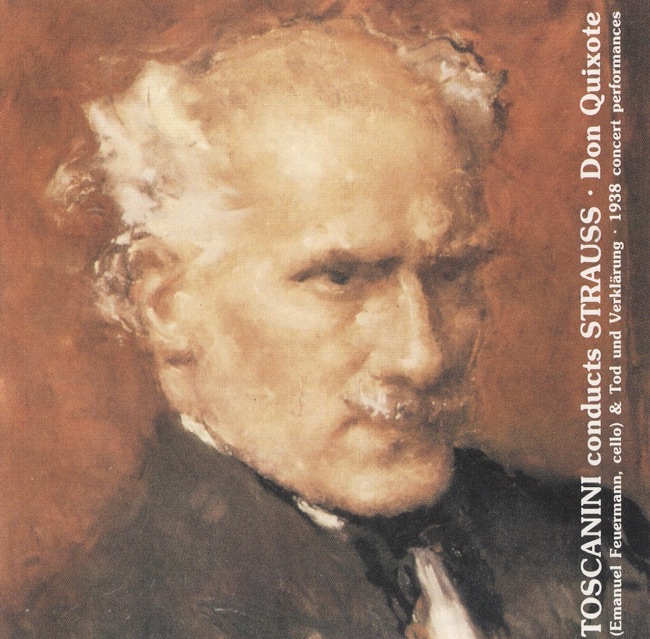
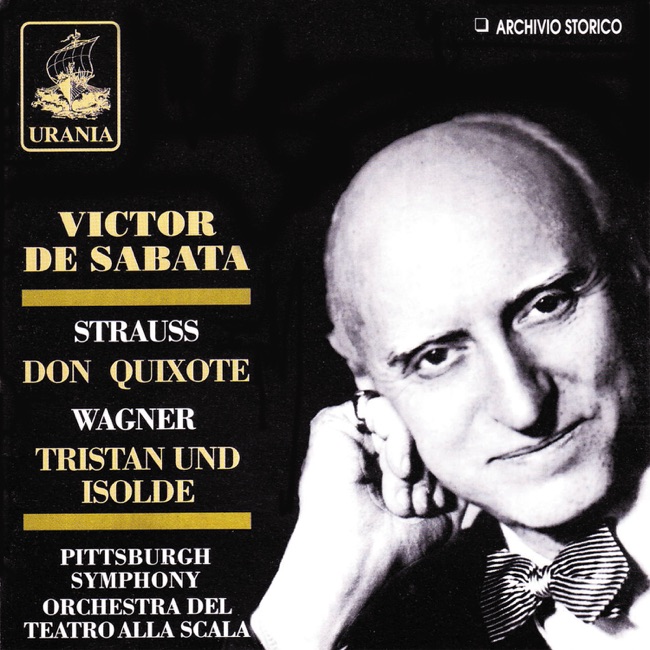
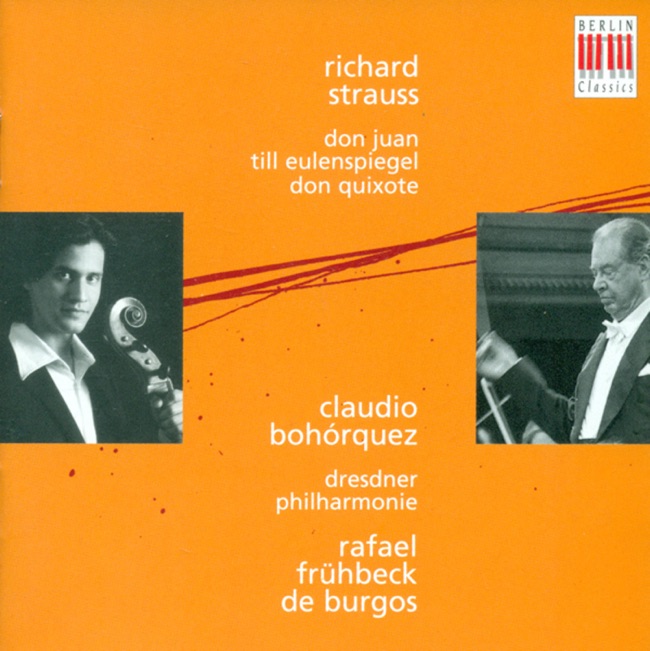
Works Info
Composer:Richard StraussGenre:ConcertoStyle:VariationsCompose Date:1897Average_duration:41:32Movement_count:14Movement ....Don Quixote, Op. 35 is a tone poem composed by Richard Strauss in 1897. It premiered on March 8, 1898, in Cologne, Germany, with Strauss conducting the Gürzenich Orchestra. The piece is based on the novel Don Quixote by Miguel de Cervantes and is divided into ten movements. The first movement, "Introduction," sets the stage for the piece with a solo cello representing Don Quixote and a solo viola representing his loyal squire, Sancho Panza. The second movement, "Theme," introduces the main theme of the piece, which is a variation of a Spanish folk song. The third movement, "Don Quixote's Vigil," is a slow and contemplative section that represents Don Quixote's vigil as he waits for his lady love, Dulcinea. The fourth movement, "Sancho's Ride," is a lively and playful section that represents Sancho's ride on a donkey. The fifth movement, "The Meeting with Dulcinea," is a romantic and dreamy section that represents Don Quixote's meeting with his lady love. The sixth movement, "The Battle with the Windmills," is a dramatic and intense section that represents Don Quixote's famous battle with the windmills. The seventh movement, "The Defeat of Don Quixote," is a somber and melancholic section that represents Don Quixote's defeat in battle. The eighth movement, "Dialogue between Knight and Squire," is a playful and humorous section that represents the banter between Don Quixote and Sancho. The ninth movement, "The Ride through the Air," is a whimsical and fantastical section that represents Don Quixote's delusions of flying. The final movement, "The Death of Don Quixote," is a poignant and emotional section that represents Don Quixote's death and the end of his adventures. Overall, Don Quixote, Op. 35 is a masterful and complex piece that showcases Strauss's skill as a composer. The use of solo instruments to represent the characters of Don Quixote and Sancho Panza adds depth and nuance to the piece, while the various movements capture the different moods and themes of the novel.More....
Works Music
Released Music

Featured Music






Main Perform Artists
Cello
Cello
Cello
Cello