


Antonio Vivaldi
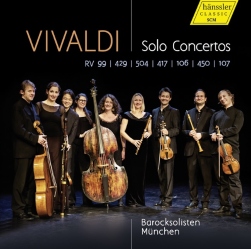
Chamber Concerto, for flute or violin, violin, bassoon or cello in G minor, RV 106
Released Album
Recent Album
Featured Album

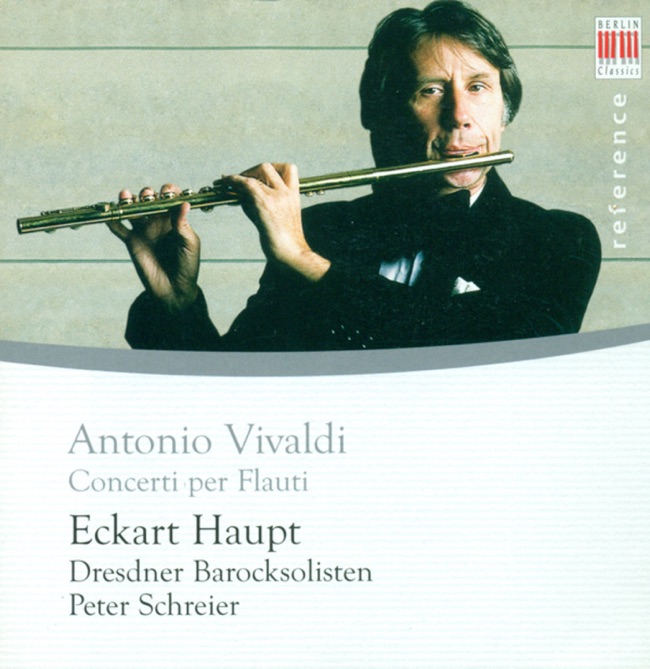
Works Info
Composer:Antonio VivaldiGenre:ConcertoStyle:ConcertoCompose Date:1716Average_duration:8:24Movement_count:3Movement ....Antonio Vivaldi's Chamber Concerto in G minor, RV 106, is a Baroque masterpiece that was composed in the early 18th century. The piece was written for a small ensemble consisting of a solo flute or violin, a solo violin, and a bassoon or cello. It is believed that the piece was composed between 1710 and 1720, during Vivaldi's tenure as the music director of the Ospedale della Pietà in Venice. The Chamber Concerto in G minor, RV 106, is divided into three movements. The first movement is marked Allegro, and it is characterized by its lively and energetic tempo. The solo flute or violin takes center stage in this movement, with the other instruments providing a supportive accompaniment. The second movement is marked Largo, and it is a slow and contemplative piece that showcases the solo violin. The third movement is marked Allegro, and it is a fast and lively piece that features all three instruments in a playful and virtuosic dialogue. One of the most notable characteristics of Vivaldi's Chamber Concerto in G minor, RV 106, is its use of the ritornello form. This form was a common feature of Baroque music, and it involves the repetition of a musical theme or melody throughout a piece. In the Chamber Concerto, the ritornello is played by the full ensemble, and it serves as a unifying element that ties the three movements together. Another characteristic of the Chamber Concerto is its use of counterpoint. Counterpoint is a technique in which two or more melodic lines are played simultaneously, creating a complex and harmonically rich texture. Vivaldi was a master of counterpoint, and he uses it extensively throughout the Chamber Concerto to create a sense of depth and complexity. The Chamber Concerto in G minor, RV 106, premiered in Venice in the early 18th century, and it quickly became one of Vivaldi's most popular works. Today, it is still widely performed and admired for its technical virtuosity, its intricate counterpoint, and its lively and playful spirit.More....
Works Music
Released Music
1
2:59
2
2:54
3
2:34
4
2:58
5
3:4
6
2:51
7
2:39
8
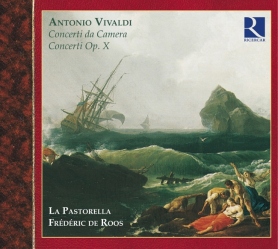
2:35
9
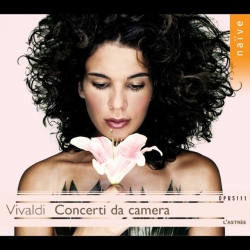
2:50
10
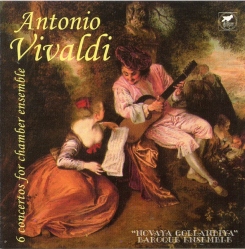
2:29
Featured Music
1
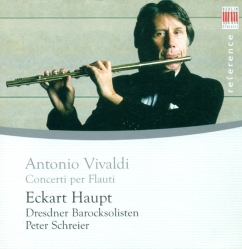
Chamber Concerto, for flute or violin, violin, bassoon or cello in G minor, RV 106
1. (Ohne Bezeichnung)
3:36
2
3:51
3
2:40
4
3:5
5
2:22
6
2:31