


John Cage
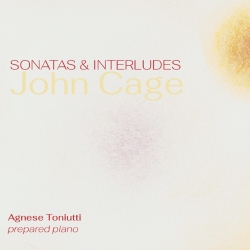
Sonatas and Interludes
Released Album
Recent Album








Featured Album






Works Info
Composer:John CageGenre:KeyboardStyle:SonataCompose Date:1948Average_duration:62:20Movement_count:20Movement ....John Cage's 'Sonatas and Interludes' is a collection of 20 pieces for prepared piano, composed between 1946 and 1948. The work was premiered by Cage himself in 1949 and has since become one of his most famous and influential compositions. The 20 pieces are divided into four groups of five, with each group consisting of a sonata followed by four interludes. The sonatas are longer and more complex than the interludes, and each one is named after a Hindu deity. The interludes, on the other hand, are shorter and more playful, with titles such as "Gemini" and "Lullaby." The prepared piano is a piano that has had various objects placed on or between its strings in order to alter its sound. In 'Sonatas and Interludes', Cage used screws, bolts, rubber bands, and other materials to create a wide range of percussive and metallic sounds. The result is a unique and otherworldly sound that is both familiar and alien. The first movement, "Sonata I," is named after the Hindu god Ganesha and is characterized by its driving rhythms and playful melodies. The second movement, "Interlude I," is a brief and delicate piece that features a simple melody played on the upper register of the piano. The third movement, "Sonata II," is named after the god of love, Kembra, and is more introspective and contemplative than the first movement. The fourth movement, "Interlude II," is a lively and rhythmic piece that features a repeated motif played on the lower register of the piano. The fifth movement, "Sonata III," is named after the god of fire, Agni, and is characterized by its intense and fiery rhythms. The sixth movement, "Interlude III," is a brief and delicate piece that features a simple melody played on the upper register of the piano. The seventh movement, "Sonata IV," is named after the god of destruction, Yama, and is the most dissonant and chaotic of the four sonatas. The eighth movement, "Interlude IV," is a playful and rhythmic piece that features a repeated motif played on the lower register of the piano. The ninth movement, "Sonata V," is named after the god of the moon, Ranaranjani, and is characterized by its dreamy and ethereal quality. The tenth movement, "Interlude V," is a brief and delicate piece that features a simple melody played on the upper register of the piano. Overall, 'Sonatas and Interludes' is a groundbreaking work that pushed the boundaries of what was possible with the piano. Its use of prepared piano and its incorporation of Eastern philosophy and mythology make it a unique and influential work that continues to inspire musicians and composers to this day.More....










Recommend Playlist



Main Perform Artists
Piano
Piano
Piano
Prepared Piano
Piano
Piano