


Johann Sebastian Bach
Cantata No. 170, "Vergnügte Ruh, beliebte Seelenlust", BWV 170
Released Album
Recent Album
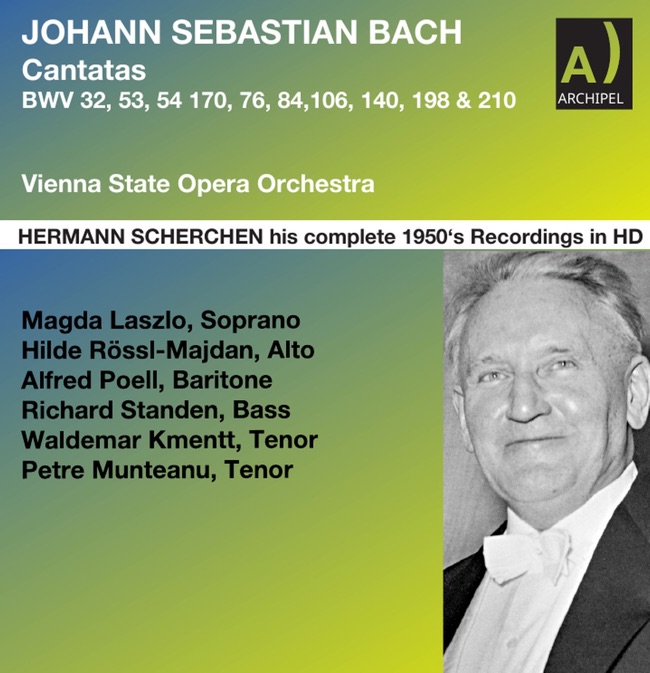
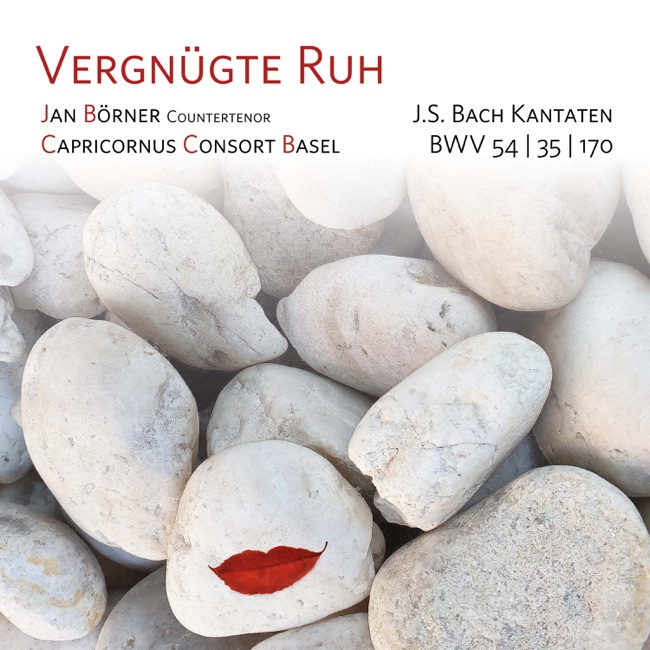

Featured Album
Works Info
Composer:Johann Sebastian BachGenre:ChoralStyle:CantataCompose Date:Jul 28, 1726Publication Date:1887First Performance:Jul 28, 1726Average_duration:22:10Movement_count:5Movement ....Johann Sebastian Bach composed Cantata No. 170, Vergnügte Ruh, beliebte Seelenlust, BWV 170, in 1726. The cantata was premiered on the 14th Sunday after Trinity, which fell on August 22, 1726, at the St. Thomas Church in Leipzig, Germany. The cantata consists of five movements, including an aria, two recitatives, and two arias. The first movement is an aria for alto, accompanied by a solo violin and continuo. The second movement is a recitative for alto, accompanied by continuo. The third movement is an aria for alto, accompanied by two oboes d'amore, strings, and continuo. The fourth movement is a recitative for alto, accompanied by continuo. The final movement is an aria for alto, accompanied by solo violin, viola, and continuo. The cantata's text is based on a hymn by Johann Leon, which speaks of the soul's desire for peace and rest in God. The first movement, "Vergnügte Ruh, beliebte Seelenlust," expresses the soul's longing for peace and rest in God. The second movement, "Die Welt, das Sündenhaus," reminds the soul of the world's sinful nature and the need for redemption. The third movement, "Mir ekelt mehr zu leben," expresses the soul's disgust with the world and its desire to be with God. The fourth movement, "Wenn die letzte Stunde schlägt," reminds the soul of the inevitability of death and the need to be prepared. The final movement, "Gottes Engel weichen nie," assures the soul that God's angels will always be with them, even in death. The cantata's musical characteristics include Bach's use of counterpoint, chromaticism, and expressive harmonies. The first movement's solo violin and continuo create a peaceful and introspective mood, while the second movement's recitative is more declamatory and urgent. The third movement's use of two oboes d'amore creates a pastoral and serene atmosphere, while the fourth movement's recitative is more somber and reflective. The final movement's use of solo violin and viola creates a sense of intimacy and comfort. Overall, Cantata No. 170, Vergnügte Ruh, beliebte Seelenlust, BWV 170, is a beautiful and introspective work that expresses the soul's longing for peace and rest in God. Its musical characteristics and expressive text make it a beloved work in Bach's cantata repertoire.More....
Works Music
Released Music
1
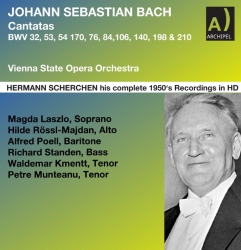
Cantata no. 170, "Pleasure rest, popular lust for the soul", BWV 170
No. 1, Vergnügte Ruh, beliebte Seelenlust
5:34
2
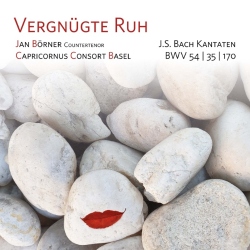
Cantata no. 170, "Pleasure rest, popular lust for the soul", BWV 170
I. Aria. Vergnügte Ruh, beliebte Seelenlust
6:15
3
6:40
4
Cantata no. 170, "Pleasure rest, popular lust for the soul", BWV 170
1. 'Vergnügte Ruh, beliebte Seelenlust'
6:56
5
Cantata no. 170, "Pleasure rest, popular lust for the soul", BWV 170
I. Vergnügte Ruh, beliebte Seelenlust
6:54
6
Cantata no. 170, "Pleasure rest, popular lust for the soul", BWV 170
I. Aria 'vergnügte Ruh, Beliebte Seelenlust'
6:51
7
Cantata no. 170, "Pleasure rest, popular lust for the soul", BWV 170
I. Vergnügte Ruh, beliebte Seelenlust
6:25
8
Cantata no. 170, "Pleasure rest, popular lust for the soul", BWV 170
I. Aria. Vergnügte Ruh, beliebte Seelenlust
5:27
9
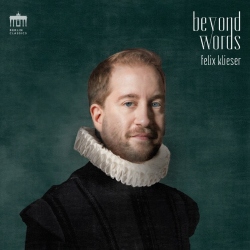
Cantata no. 170, "Pleasure rest, popular lust for the soul", BWV 170
Vergnügte Ruh, beliebte Seelenlust
5:49
10
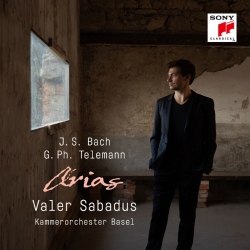
Cantata no. 170, "Pleasure rest, popular lust for the soul", BWV 170
Vergnügte Ruh', beliebte Seelenlust
6:32
Featured Music
1
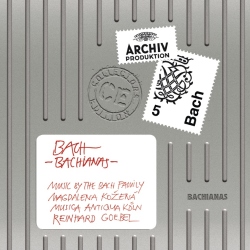
Cantata no. 170, "Pleasure rest, popular lust for the soul", BWV 170
1. Aria: Vergnügte Ruh, beliebte Seelenlust
4:23
2
Cantata no. 170, "Pleasure rest, popular lust for the soul", BWV 170
3. Aria: Wie jammern mich doch die verkehrten Herzen
6:8
3
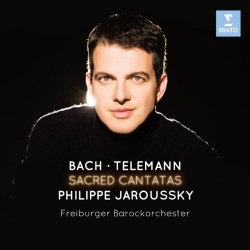
Cantata no. 170, "Pleasure rest, popular lust for the soul", BWV 170
Aria Vergnügte Ruh, beliebte Seelenlust
6:13
4
Cantata no. 170, "Pleasure rest, popular lust for the soul", BWV 170
Recitativo Die Welt, das Sündenhaus
1:23
5
Cantata no. 170, "Pleasure rest, popular lust for the soul", BWV 170
Aria Wie jammern mich doch die verkehrten Herzen
7:59
6
Cantata no. 170, "Pleasure rest, popular lust for the soul", BWV 170
Recitativo Wer sollte sich demnach
1:7
7
Cantata no. 170, "Pleasure rest, popular lust for the soul", BWV 170
Aria Mir ekelt mehr zu leben
5:36
8
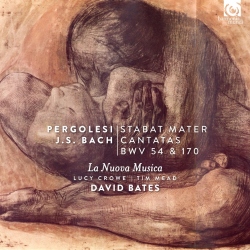
Cantata no. 170, "Pleasure rest, popular lust for the soul", BWV 170
Aria. Vergnügte Ruh! beliebte Seelenlust!
6:24
9
Cantata no. 170, "Pleasure rest, popular lust for the soul", BWV 170
Recitativo. Die Welt, das Sündenhaus
1:11
10
Cantata no. 170, "Pleasure rest, popular lust for the soul", BWV 170
Aira. Wie jammern mich doch die verkehrten Herzen
6:5
11
Cantata no. 170, "Pleasure rest, popular lust for the soul", BWV 170
Recitativo. Wer sollte sich demnach
1:8
12
Cantata no. 170, "Pleasure rest, popular lust for the soul", BWV 170
Aria. Mir ekelt mehr zu leben
5:15
Main Perform Artists
Contralto Vocal
Mezzo-Soprano Vocal
Alto (Vocals)
Counter Tenor Vocal
Violin
Contralto (Vocal)