


Einojuhani Rautavaara
Released Album
Choral
-
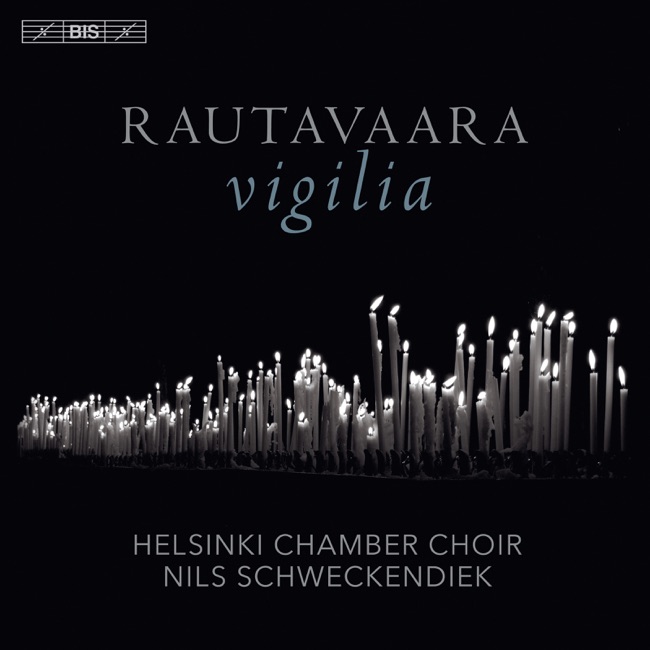 September 6, 2019
 -
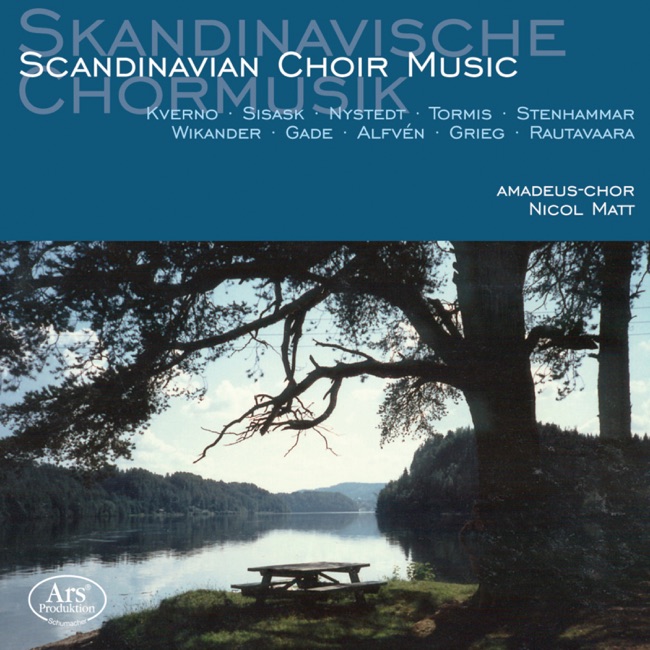 March 15, 2019
 -
 May 19, 2017
 -
 February 15, 2017
 -
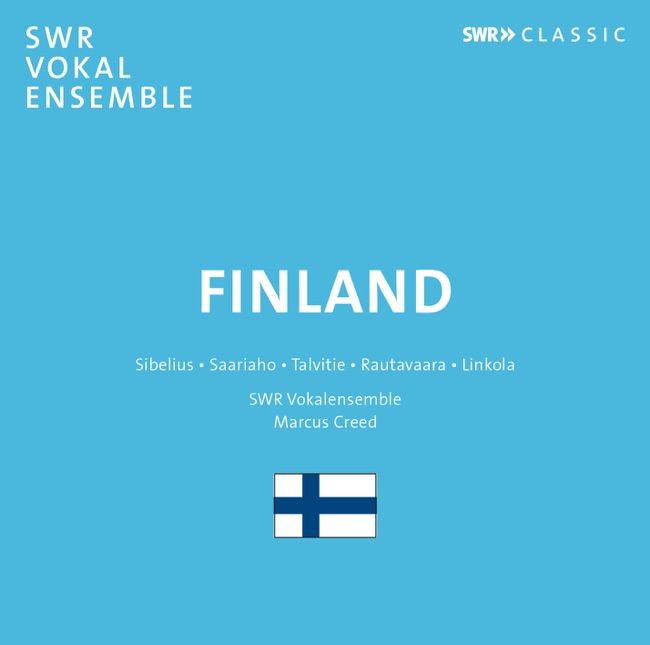 February 10, 2017
 -
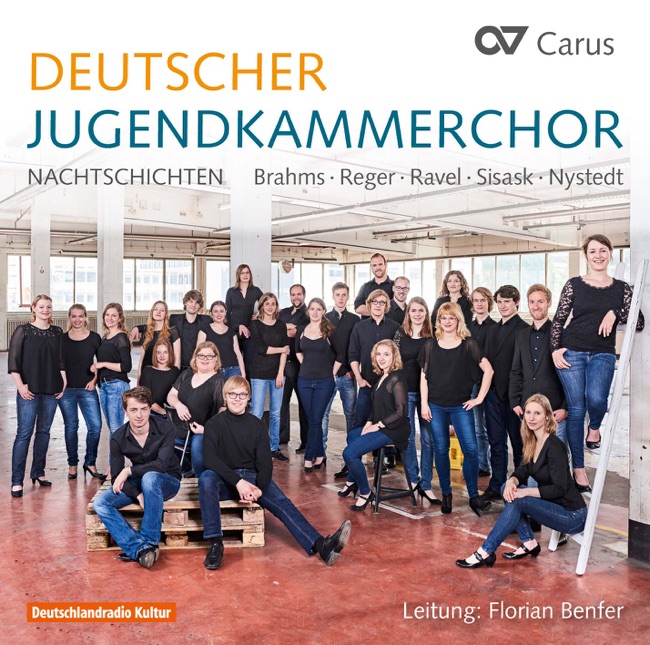 January 6, 2017
Orchestral
-
-
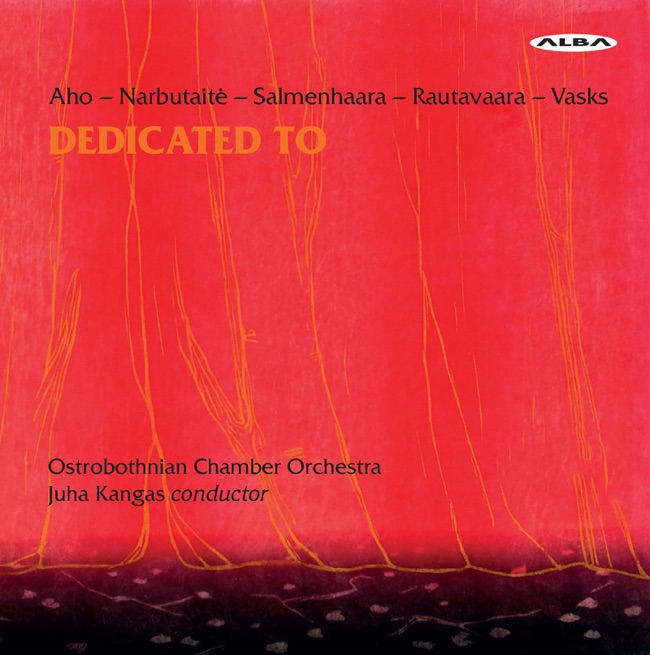 December 1, 2017
 -
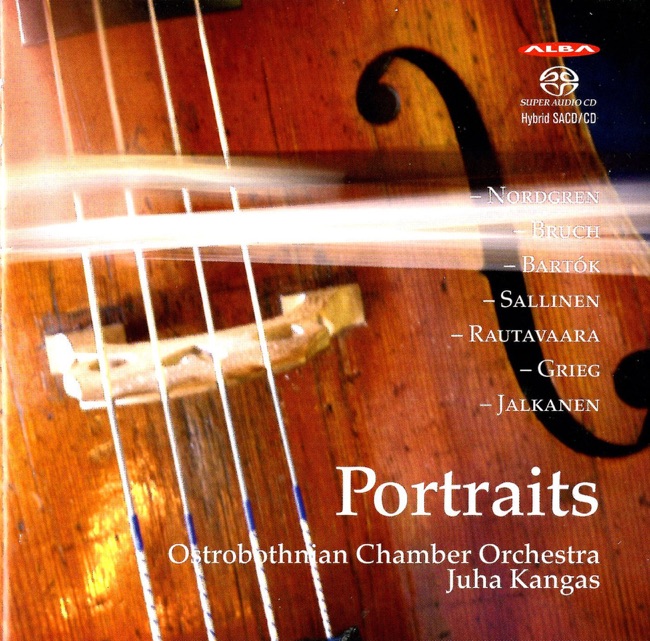 July 17, 2015
 -
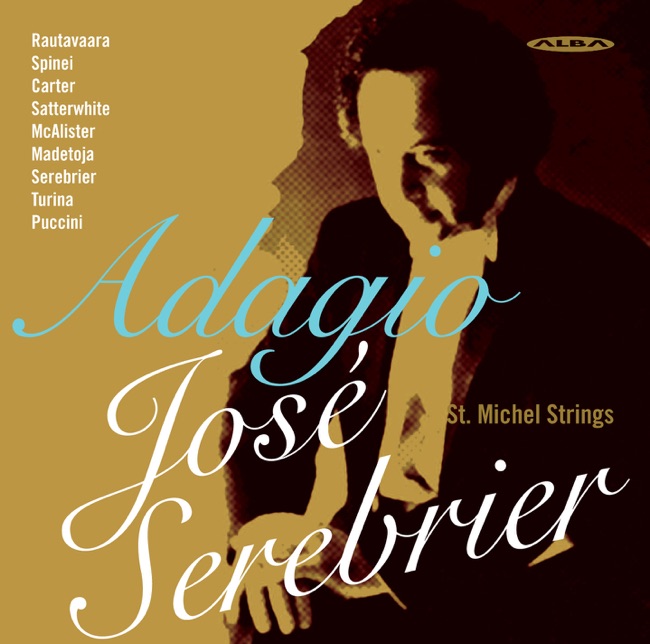 October 24, 2012
 -
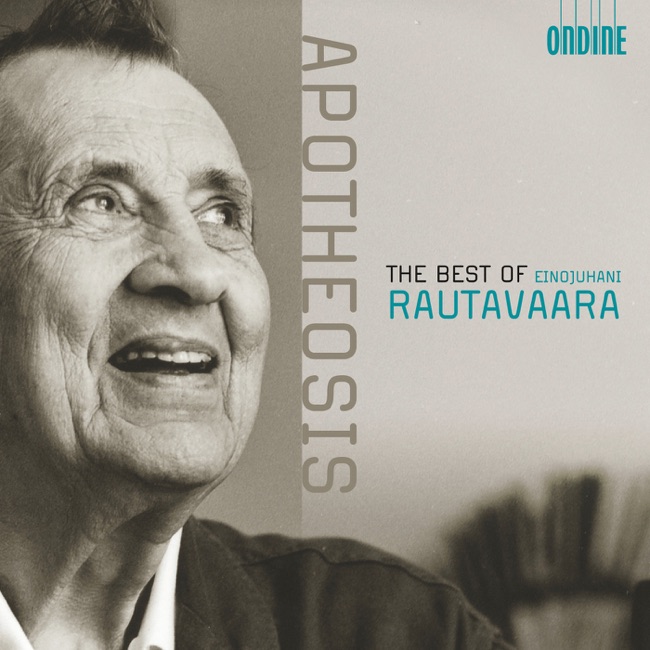 October 25, 2011
 -
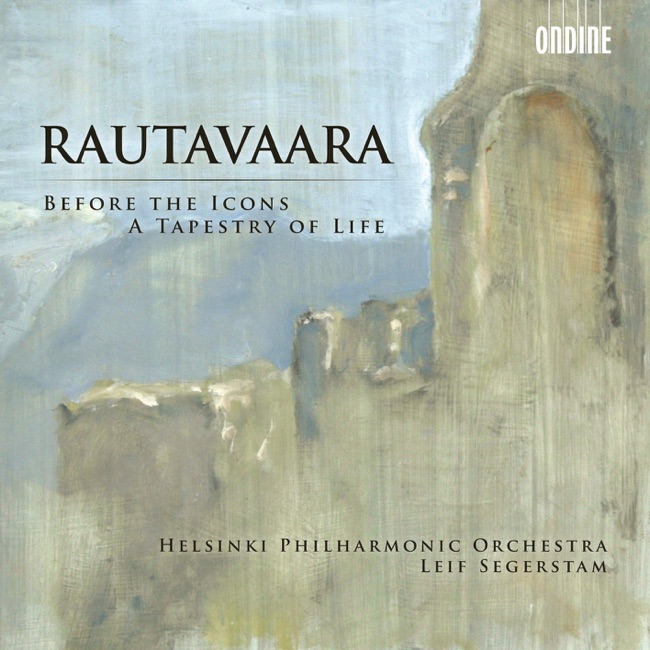 April 27, 2010
Concerto
-
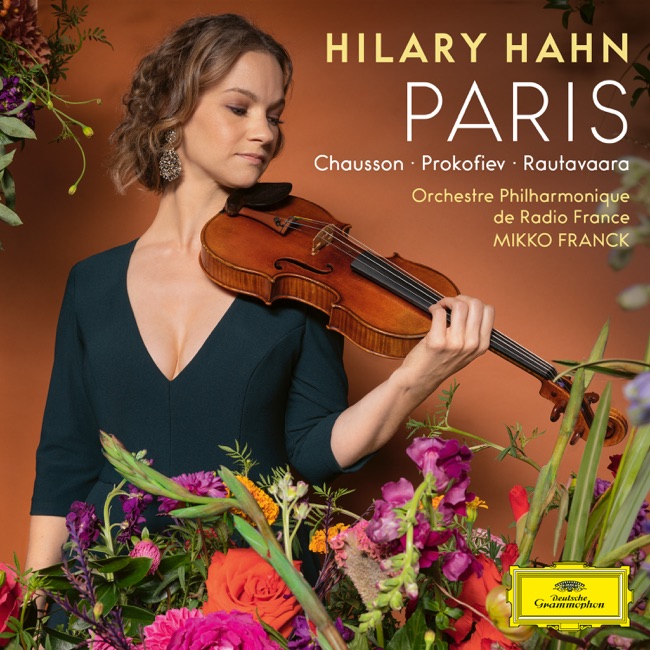 March 5, 2021
 -
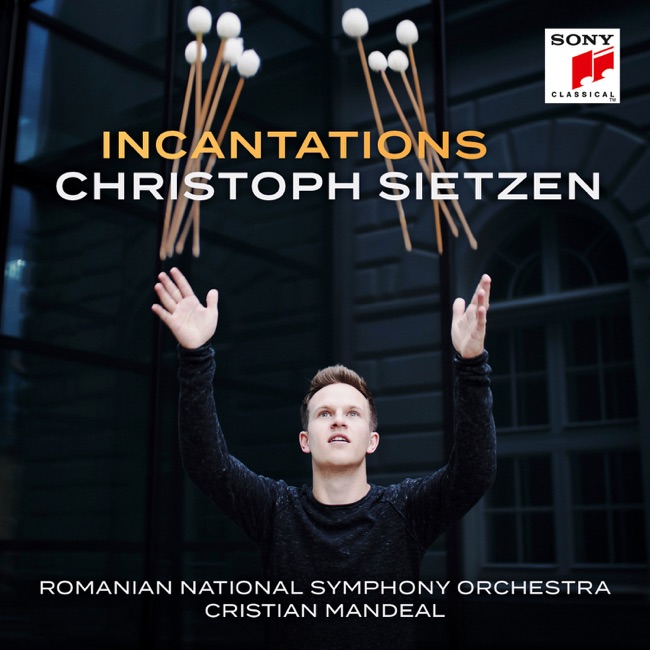 September 7, 2018
 -
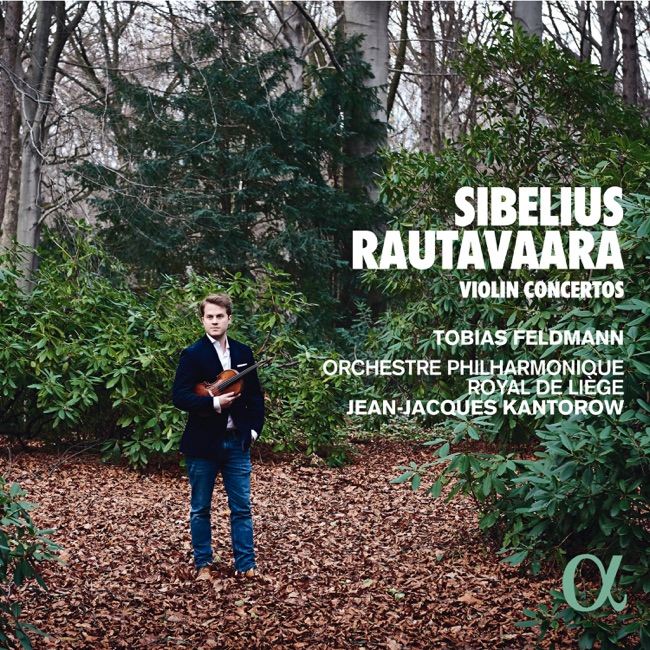 May 25, 2018
 -
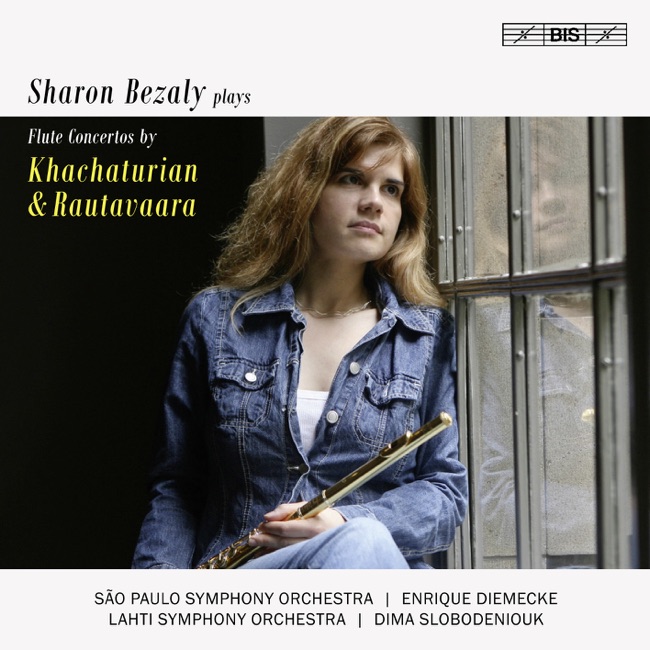 July 8, 2016
 -
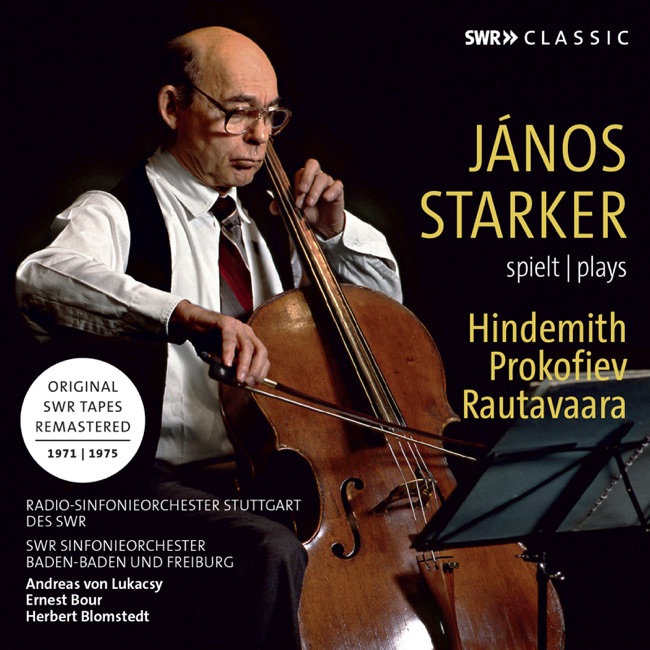 October 14, 2014
 -
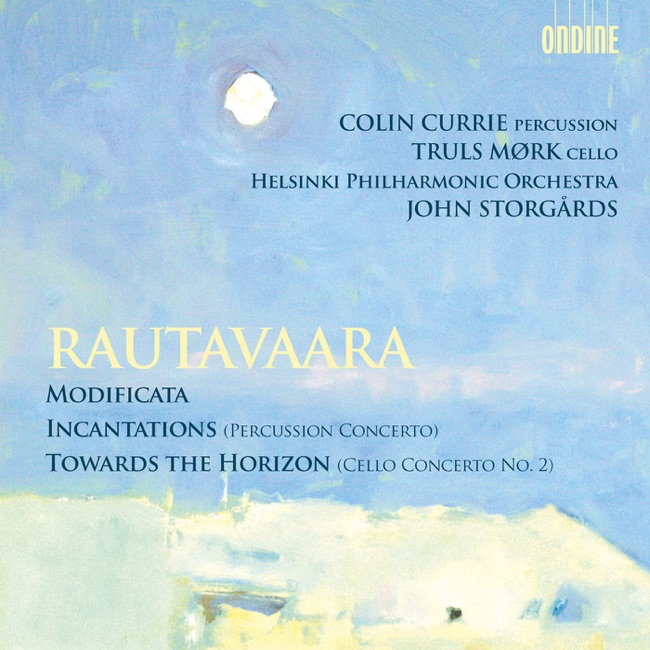 February 24, 2012
Chamber
-
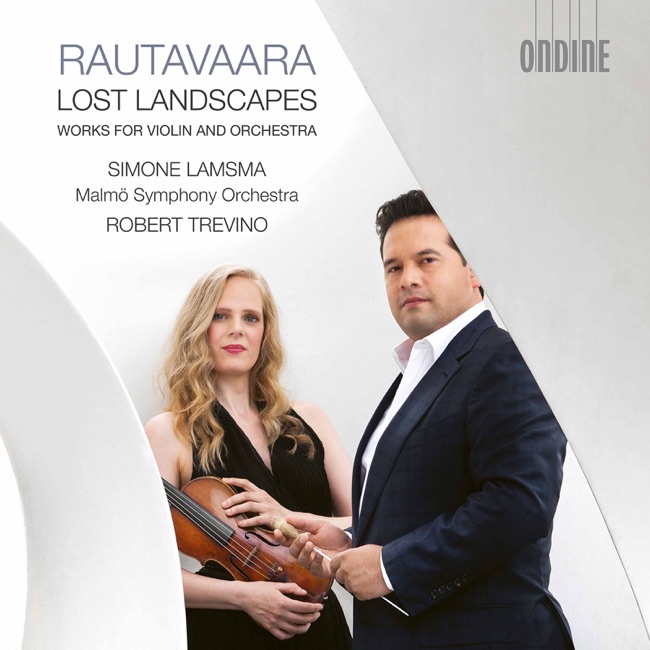 April 1, 2022
 -
 March 5, 2021
 -
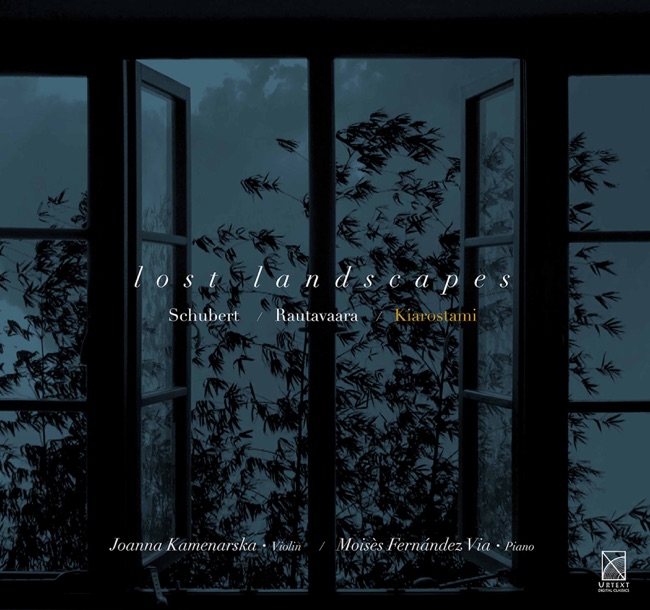 November 22, 2019
 -
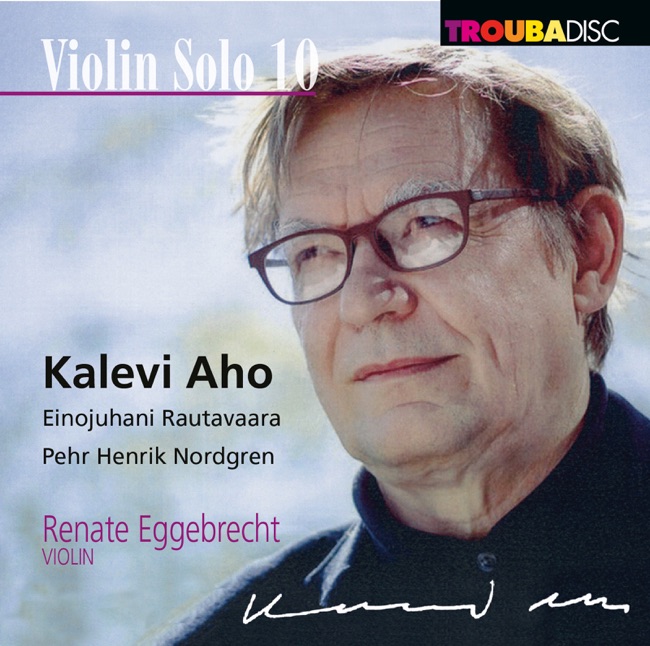
-
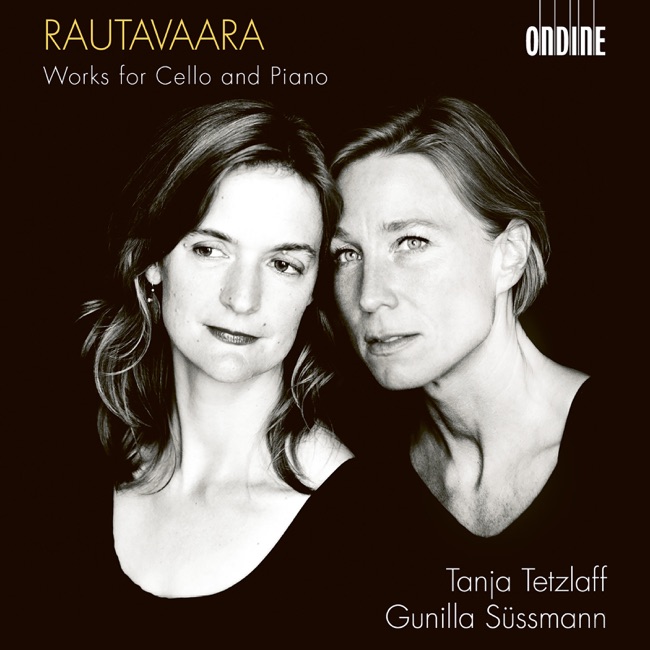 February 9, 2018
 -
 October 1, 2016
Artist Info
Role:Composer PerformerCountry: FinlandBirth:October 9, 1928 in Helsinki, FinlandDeath:July 27, 2016 in Helsinki, FinlandPeriod:ContemporaryGenre:ChamberChoralOrchestralEinojuhani Rautavaara was a Finnish composer who was born on October 9, 1928, in Helsinki, Finland. He was the son of Eino Rautavaara, a journalist, and Elsa Tihula, a pianist. Rautavaara grew up in a musical family, and his mother played a significant role in his early musical education. He began playing the piano at the age of five and started composing at the age of eight. Rautavaara studied at the Sibelius Academy in Helsinki, where he was taught by Aarre Merikanto, one of Finland's leading composers. He also studied with Vincent Persichetti at the Juilliard School in New York City. Rautavaara's early works were influenced by the neoclassical style of Stravinsky and Hindemith, but he later developed his own unique style, which combined elements of modernism, mysticism, and Finnish folk music. Rautavaara's breakthrough work was his Symphony No. 1, which was premiered in 1957. The symphony was well-received and established Rautavaara as one of Finland's leading composers. He went on to compose a series of symphonies, including Symphony No. 2, which was inspired by the Finnish epic poem Kalevala, and Symphony No. 3, which was dedicated to the memory of Jean Sibelius. In addition to his symphonies, Rautavaara composed a wide range of other works, including operas, choral music, and chamber music. One of his most famous works is his opera, Kaivos (The Mine), which was premiered in 1963. The opera tells the story of a group of miners who become trapped underground and must confront their own mortality. The opera was praised for its powerful music and emotional depth. Rautavaara's music was often inspired by nature and the Finnish landscape. He was particularly interested in the Northern Lights, which he saw as a symbol of the mystical and spiritual aspects of the Finnish landscape. This fascination with the Northern Lights is reflected in many of his works, including his Symphony No. 7, which is subtitled "Angel of Light." Rautavaara's music was also influenced by his interest in mysticism and spirituality. He was particularly interested in the writings of the Russian philosopher and mystic, G.I. Gurdjieff, and his music often reflects Gurdjieff's ideas about the nature of consciousness and the human condition. Rautavaara continued to compose throughout his life, and his later works were characterized by a more contemplative and introspective style. He was particularly interested in the idea of transcendence and the search for meaning in life. His final work, a setting of the hymn "Veni Creator Spiritus," was completed just a few months before his death in July 2016. In conclusion, Einojuhani Rautavaara was one of Finland's most important composers of the 20th century. His music was characterized by a unique blend of modernism, mysticism, and Finnish folk music, and he was particularly interested in the Northern Lights and the spiritual aspects of the Finnish landscape. His works, including his symphonies, operas, and choral music, continue to be performed and admired by audiences around the world.More....
Recent Artist Music
2
8:12
10
5:34





Related Artists
Copyright Ⓒ 2013 Davinci Finger. All rights reseved
Service Terms & Policy