


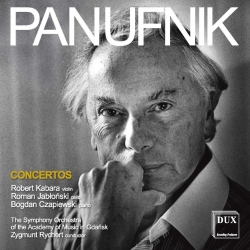
Andrzej Panufnik
Released Album
Concerto
-
-
 April 22, 2016
 -
 May 12, 2015
 -
 August 12, 2014
 -
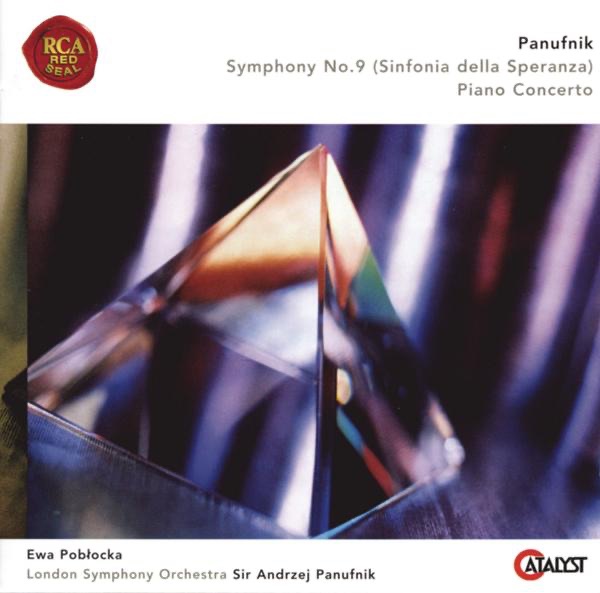 February 22, 2005
 -
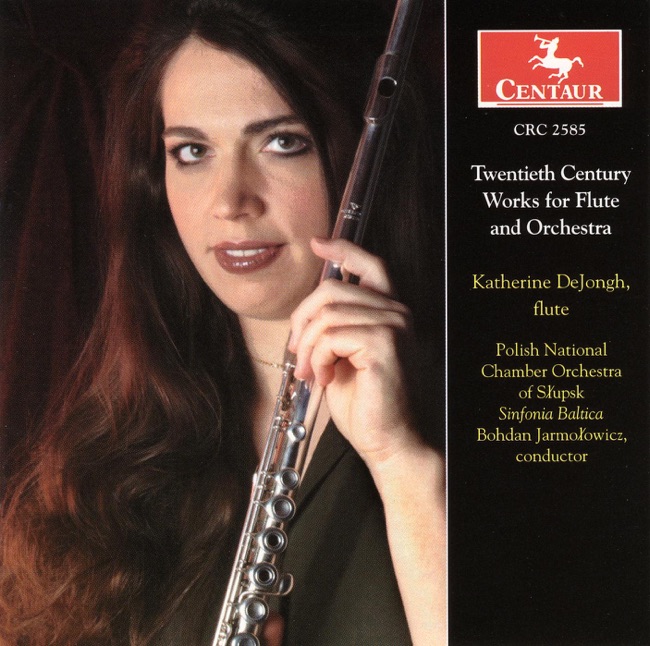 November 26, 2002
Symphony
-
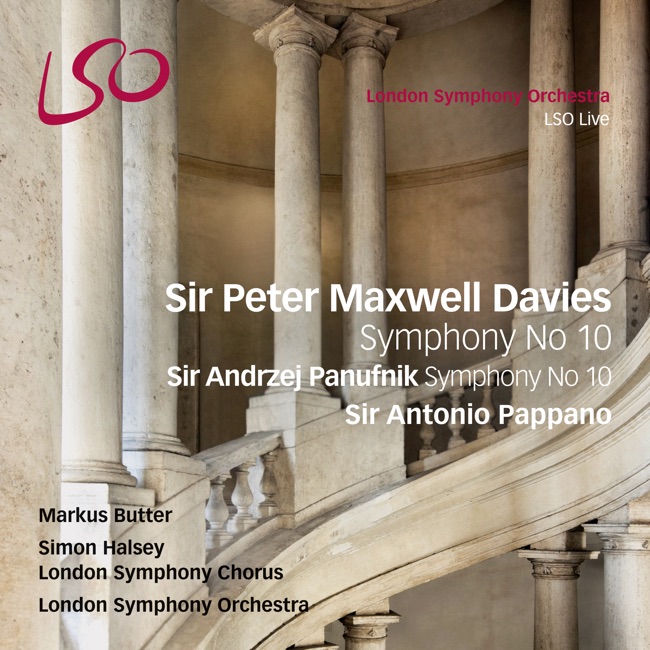
-
 February 13, 2014
 -
 February 13, 2014
 -
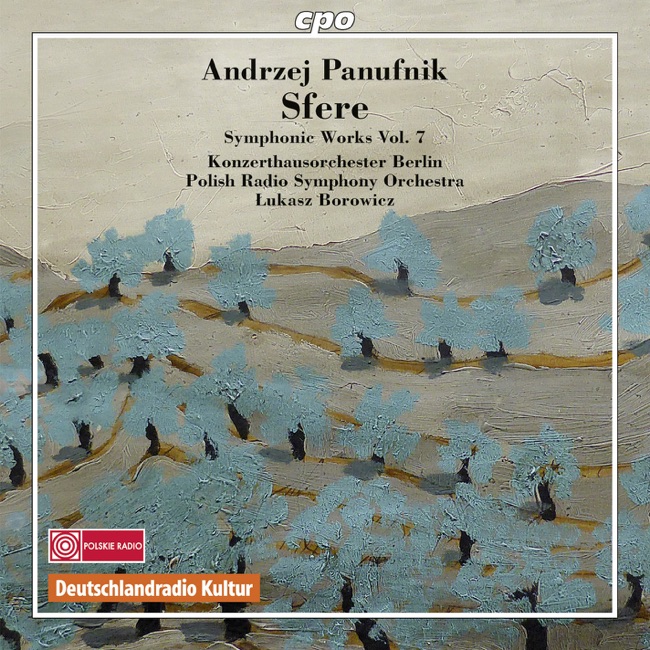 January 10, 2014
 -
 July 30, 2013
 -
 November 15, 2011
Chamber
-
-
 March 6, 2020
 -
 May 17, 2019
 -
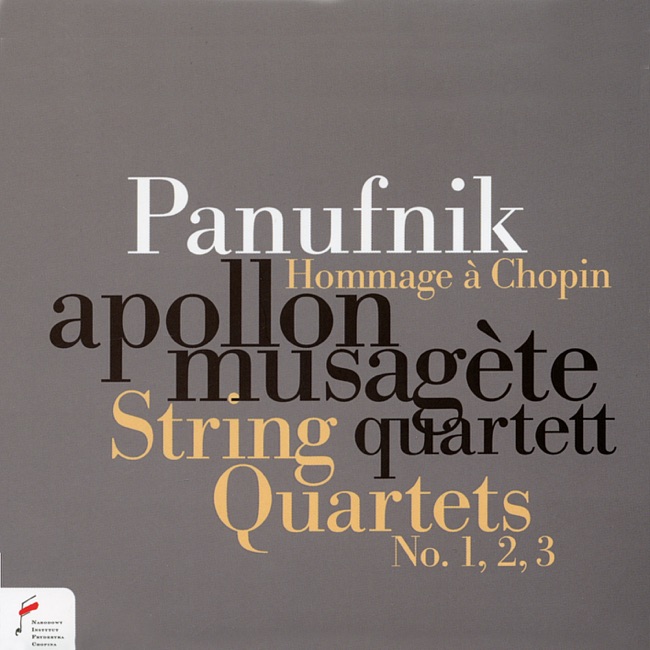 October 26, 2018
 -

-
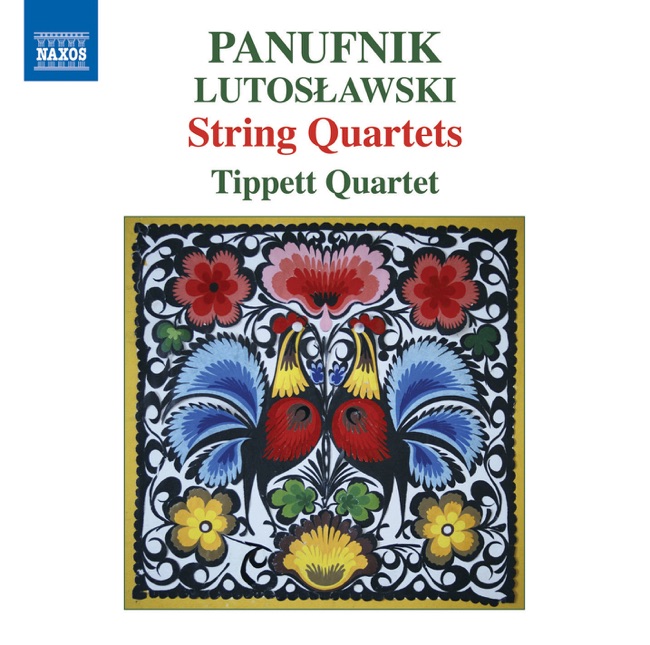 August 12, 2014
Orchestral
-
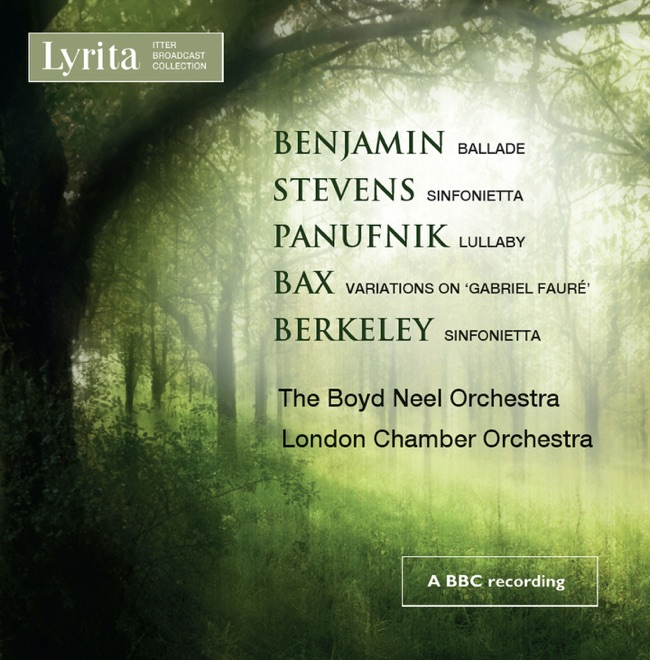
-
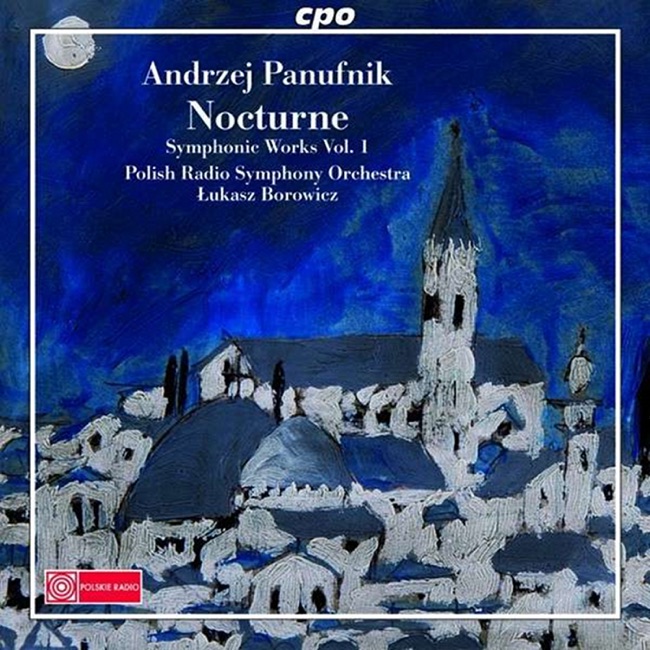 April 27, 2010
 -
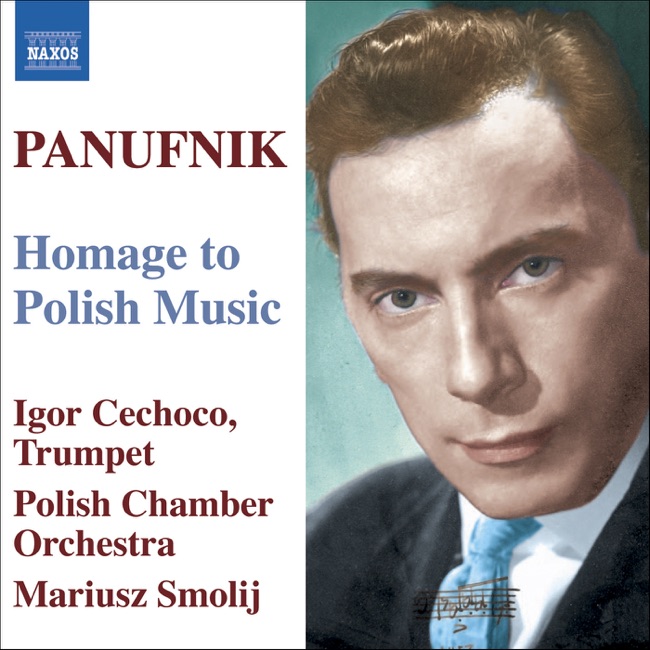 October 30, 2006
 -
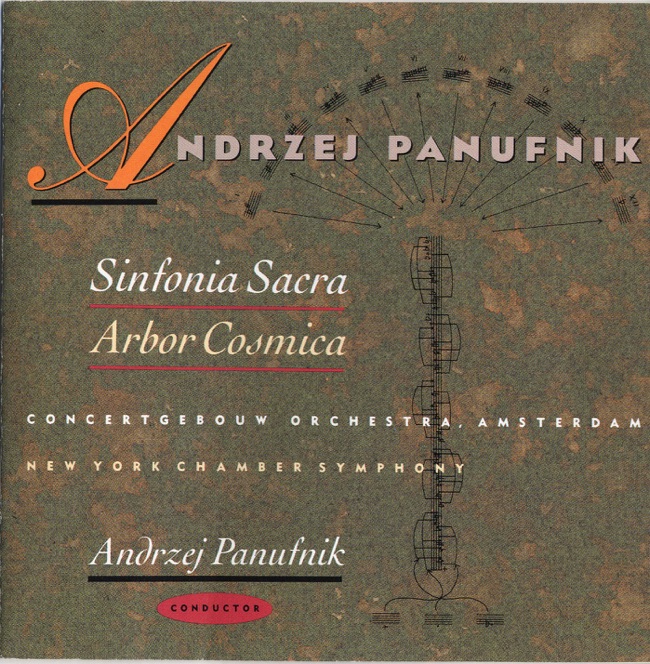
-
Artist Info
Role:Composer ConductorCountry: PolandBirth:September 24, 1914 in Warsaw, PolandDeath:October 27, 1991 in Twickenham, London, EnglandPeriod:ContemporaryModernGenre:ChamberConcertoOrchestralSymphonyAndrzej Panufnik was a Polish composer and conductor who was born on September 24, 1914, in Warsaw, Poland. He was the son of a violinist and a pianist, and his parents encouraged him to pursue a career in music from a young age. Panufnik began studying piano and composition at the Warsaw Conservatory when he was just nine years old, and he continued his studies there until he was 21. In 1935, Panufnik moved to Vienna to study with the renowned composer and conductor Felix Weingartner. He also studied with the composer and pianist Alfred Cortot in Paris, and he spent time in London, where he met the conductor Sir Adrian Boult. Boult became a mentor to Panufnik and helped him to establish himself as a composer and conductor in the UK. During World War II, Panufnik served in the Polish Army and was captured by the Germans. He managed to escape and made his way to England, where he joined the Polish Armed Forces in exile. He continued to compose music during the war, and his works were performed by the BBC Symphony Orchestra and other ensembles. After the war, Panufnik settled in London and became a British citizen. He worked as a conductor and composer, and he was appointed the conductor of the City of Birmingham Symphony Orchestra in 1957. He also conducted the London Symphony Orchestra, the Royal Philharmonic Orchestra, and other ensembles. Panufnik's music is characterized by its use of traditional forms and structures, as well as its incorporation of Polish folk music and other Eastern European influences. His early works, such as the Symphony No. 1 (1941) and the Piano Concerto (1949), are marked by their lyrical melodies and lush harmonies. In the 1950s, Panufnik began to experiment with serialism and other modernist techniques. His Symphony No. 7 (1967) is a twelve-tone work that uses a complex system of musical intervals to create a sense of tension and release. However, Panufnik never fully embraced serialism or other avant-garde styles, and he continued to incorporate tonal elements and folk music into his compositions. One of Panufnik's most famous works is the Sinfonia Sacra (Symphony No. 3), which he composed in 1963. The work is a tribute to the victims of war and oppression, and it includes a setting of the Polish hymn "Bogurodzica" (Mother of God). The Sinfonia Sacra was premiered by the City of Birmingham Symphony Orchestra under Panufnik's direction, and it has since become one of his most frequently performed works. Panufnik's other notable works include the Symphony No. 10 (1988), which he composed in honor of the bicentennial of the United States Constitution, and the Concerto Festivo (1980), which he wrote for the 75th anniversary of the Royal Philharmonic Society. He also composed a number of chamber works, including the String Quartet No. 3 (1976) and the Piano Trio (1983). In addition to his work as a composer, Panufnik was also a respected conductor and educator. He served as the conductor of the City of Birmingham Symphony Orchestra from 1957 to 1959, and he was the principal conductor of the Polish Radio and Television Symphony Orchestra from 1957 to 1959. He also taught composition at the Royal Academy of Music in London and the Krakow Academy of Music in Poland. Andrzej Panufnik died on October 27, 1991, in Twickenham, England.More....
Recent Artist Music
1
2:31




11
7:31
Copyright Ⓒ 2013 Davinci Finger. All rights reseved
Service Terms & Policy