Andrzej Panufnik
String quartet No. 1
Released Album
Recent Album
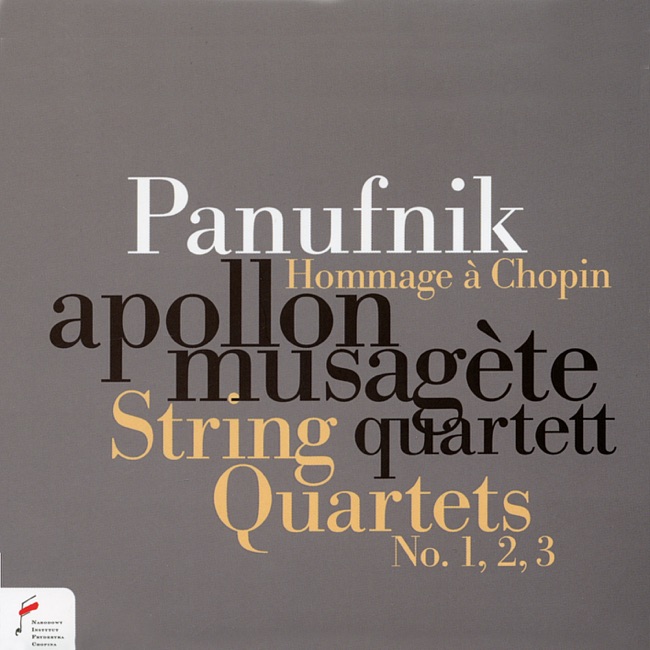
Featured Album
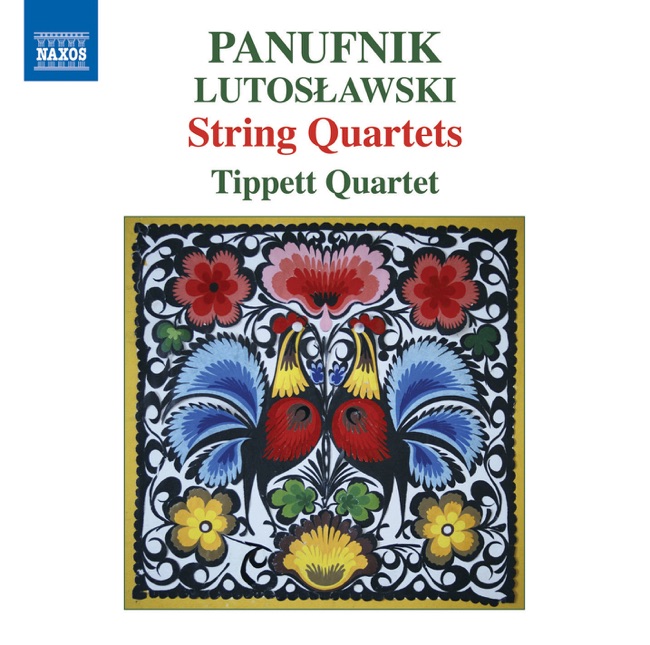
Works Info
Composer:Andrzej PanufnikGenre:ChamberStyle:QuartetAverage_duration:17:09Andrzej Panufnik's String Quartet No. 1 was composed in 1947 and premiered in Warsaw the same year. The quartet consists of four movements, each with its own distinct character and mood. The first movement, marked Allegro moderato, begins with a lively and rhythmic theme played by the first violin. This theme is then passed around the other instruments, creating a sense of dialogue and interplay between the four voices. The movement is characterized by its energetic and playful nature, with sudden shifts in dynamics and tempo adding to the sense of excitement. The second movement, marked Andante sostenuto, is a stark contrast to the first. Here, the mood is much more introspective and melancholic, with long, sustained notes and a slower tempo. The cello takes the lead in this movement, with the other instruments providing a gentle accompaniment. The overall effect is one of quiet contemplation and reflection. The third movement, marked Allegro molto, returns to the lively and energetic mood of the first. This movement is characterized by its driving rhythms and syncopated melodies, with the four instruments often playing in unison to create a sense of unity and cohesion. The movement builds to a frenzied climax before abruptly ending. The final movement, marked Adagio molto, is the most introspective and contemplative of the four. Here, the mood is somber and mournful, with long, sustained notes and a slow tempo. The movement is characterized by its use of dissonance and chromaticism, creating a sense of tension and unease. The quartet ends on a quiet and unresolved note, leaving the listener with a sense of ambiguity and uncertainty. Overall, Panufnik's String Quartet No. 1 is a work of great emotional depth and complexity. Its four movements each explore different moods and themes, creating a rich and varied musical experience. The quartet is characterized by its use of rhythmic and melodic motifs, as well as its skillful use of harmony and counterpoint. It remains a significant work in the string quartet repertoire and a testament to Panufnik's skill as a composer.More....
Works Music
Released Music
Featured Music