


Leos Janácek
Released Album
Chamber
-
 June 7, 2024
 -
-
 November 24, 2023
 -
 September 15, 2023
 -
 September 15, 2023
 -
 September 15, 2023
Keyboard
-
 May 31, 2024
 -
 May 10, 2024
 -
 January 26, 2024
 -
 October 27, 2023
 -
 May 5, 2023
 -
 February 1, 2023
Orchestral
-
 January 6, 2022
 -
 March 16, 2021
 -
 December 13, 2019
 -
 November 8, 2019
 -
 May 18, 2019
 -
 February 1, 2019
Choral
-
 May 6, 2022
 -
 March 4, 2022
 -
 April 17, 2020
 -
 August 24, 2018
 -
 August 9, 2018
 -
 September 1, 2017
Artist Info
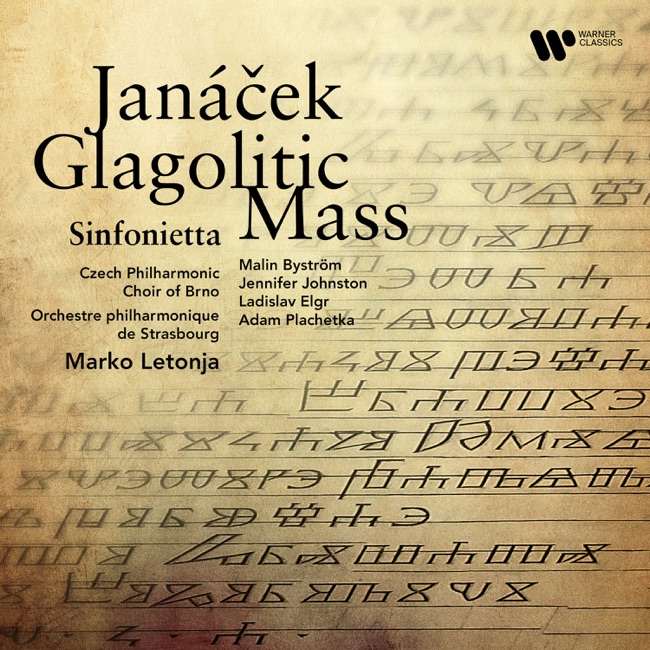
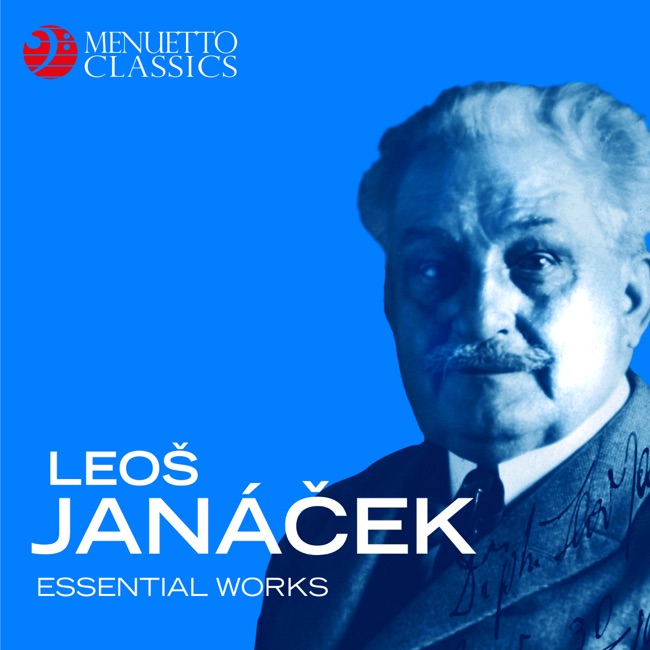
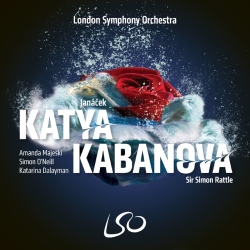
Role:ComposerCountry: Czech RepublicBirth:July 3, 1854 in Hukvaldy, Czech RepublicDeath:August 12, 1928 in Moravská Ostrava, CzechoslovakiaPeriod:ContemporaryModernGenre:ChamberChoralKeyboardOperaOrchestralLeos Janácek was a Czech composer who was born on July 3, 1854, in Hukvaldy, Moravia, which is now part of the Czech Republic. He was the ninth child of a schoolmaster and his wife. Janácek's father was a musician and played the violin, and his mother was a singer. Janácek's parents encouraged his musical talents from a young age, and he began playing the piano and violin at the age of six. Janácek's early musical education was at the Brno Organ School, where he studied under Pavel Křížkovský. He later studied at the Prague Organ School, where he was taught by Josef Krejčí. Janácek's early compositions were influenced by the music of Bedřich Smetana and Antonín Dvořák, two of the most prominent Czech composers of the time. In 1881, Janácek became the director of the Brno Organ School, a position he held for over 30 years. During this time, he also founded the Brno Philharmonic Orchestra and the Brno Opera. Janácek's work as a music educator and conductor allowed him to develop his own unique style of composition, which was heavily influenced by the rhythms and melodies of the Czech language. Janácek's most famous works include his operas, which are known for their innovative use of speech rhythms and unconventional vocal techniques. His first opera, Šárka, was completed in 1887, but it was not performed until 1925. Janácek's breakthrough opera was Jenůfa, which premiered in 1904. The opera was a critical and commercial success, and it established Janácek as one of the leading composers of his time. Janácek's other notable operas include Káťa Kabanová, The Cunning Little Vixen, and The Makropulos Affair. These operas are known for their complex characters, intricate musical structures, and innovative use of folk melodies and rhythms. In addition to his operas, Janácek also composed a number of instrumental works, including his String Quartet No. 1, which was inspired by the Tolstoy novel The Kreutzer Sonata. Janácek's other notable instrumental works include his Sinfonietta, which was composed in 1926 and is known for its use of brass instruments, and his Glagolitic Mass, which was composed in 1926 and is based on the text of the Catholic Mass in Old Church Slavonic. Janácek's later years were marked by personal tragedy and financial difficulties. His wife, Zdenka, died in 1919, and his daughter, Olga, died in 1920. Janácek's health also began to decline, and he suffered from a number of illnesses, including diabetes and heart disease. Despite these challenges, Janácek continued to compose until his death on August 12, 1928, in Ostrava, Czechoslovakia. His legacy as one of the most important Czech composers of the 20th century has continued to grow in the years since his death, and his works are still performed and celebrated around the world.More....
Recent Artist Music
1
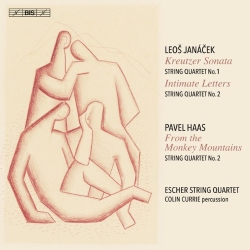
String Quartet No. 2 "Listy duverne," "Intimate Letters," JW 7/13
Andante - Con moto - Allegro
5:54

12
2:5
Works Highlight
Recommend Playlist
























Copyright Ⓒ 2013 Davinci Finger. All rights reseved
Service Terms & Policy