


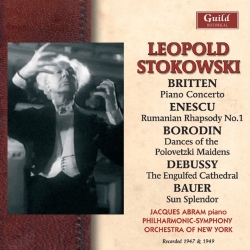
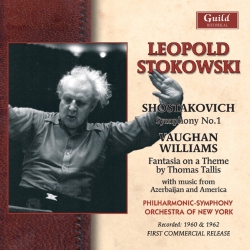
Philharmonic-Symphony Orchestra of New York
Released Album
Concerto
-
 September 18, 2020
 -
 September 22, 2017
 -
-
 July 12, 2011
 -
 August 12, 2008
 -
Symphony
-
 August 5, 2013
 -
 January 2, 2009
 -
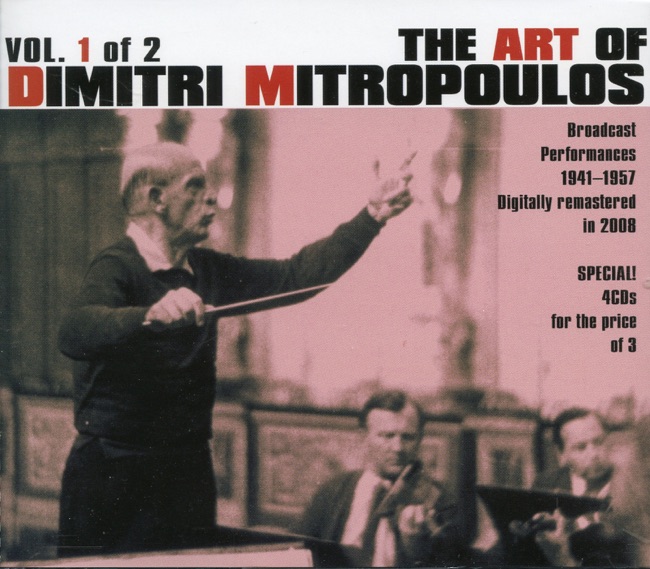 July 11, 2008
 -
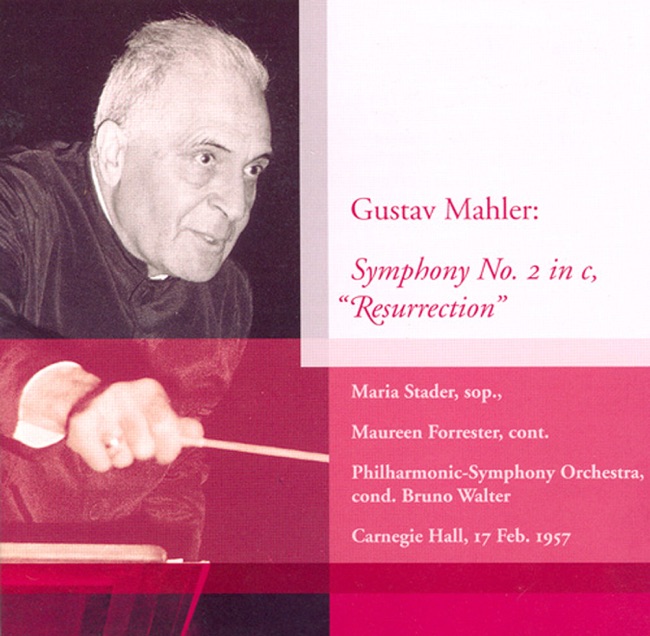 June 4, 2007
 -
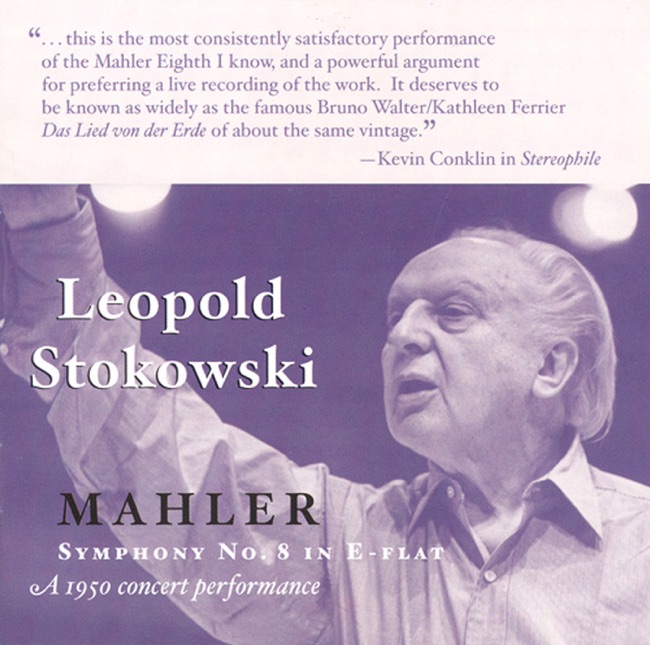 May 10, 2004
Orchestral
-

-
 August 31, 2010
Artist Info
Role:EnsemblePeriod:RomanticModernGenre:OperaOrchestralThe Philharmonic-Symphony Orchestra of New York, also known as the New York Philharmonic, is one of the oldest and most prestigious orchestras in the world. Founded in 1842, the orchestra has a rich history of musical excellence and has been led by some of the most renowned conductors in the world. The orchestra was founded by a group of musicians who were dissatisfied with the quality of music in New York City at the time. They wanted to create a professional orchestra that would rival the great orchestras of Europe. The first concert was held on December 7, 1842, at the Apollo Rooms in lower Manhattan. The program included works by Beethoven, Weber, and Mendelssohn. In the early years, the orchestra struggled financially and artistically. It was not until the appointment of Theodore Thomas as conductor in 1877 that the orchestra began to achieve international recognition. Thomas was a visionary conductor who brought a new level of professionalism and artistry to the orchestra. He introduced new works by contemporary composers and established the orchestra's reputation as a leading interpreter of the classics. Under Thomas's leadership, the orchestra performed at the opening of Carnegie Hall in 1891. This was a major milestone for the orchestra, as Carnegie Hall became its permanent home and one of the most prestigious concert halls in the world. The orchestra continued to perform at Carnegie Hall for over a century, until the COVID-19 pandemic forced it to temporarily relocate to other venues. After Thomas's death in 1905, the orchestra went through a period of instability. It was not until the appointment of Arturo Toscanini as conductor in 1928 that the orchestra regained its former glory. Toscanini was a legendary conductor who demanded the highest standards of excellence from his musicians. He introduced new works by contemporary composers and established the orchestra's reputation as a leading interpreter of the classics. During Toscanini's tenure, the orchestra made its first recordings and performed on radio broadcasts, which helped to increase its popularity and influence. Toscanini left the orchestra in 1936, but his legacy continued to inspire future generations of musicians. In the years that followed, the orchestra was led by a series of distinguished conductors, including Bruno Walter, Leonard Bernstein, and Zubin Mehta. Each conductor brought their own unique style and vision to the orchestra, and helped to maintain its reputation as one of the world's leading orchestras. The orchestra has performed at many historic events, including the opening of the United Nations in 1945 and the inauguration of President John F. Kennedy in 1961. It has also toured extensively throughout the world, performing in Europe, Asia, and South America. In addition to its live performances, the orchestra has also made numerous recordings, many of which have won Grammy Awards and other prestigious honors. Some of the orchestra's most famous recordings include Mahler's Symphony No. 2, conducted by Leonard Bernstein, and Beethoven's Symphony No. 9, conducted by Toscanini. The orchestra has also been recognized for its commitment to education and outreach. It has established numerous programs to introduce young people to classical music, including the Young People's Concerts, which were hosted by Leonard Bernstein and broadcast on television from 1958 to 1972.More....
Recent Artist Music
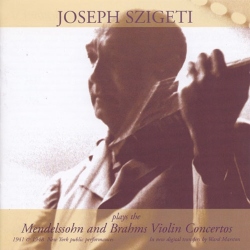
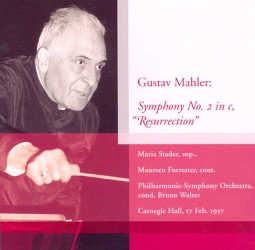
3
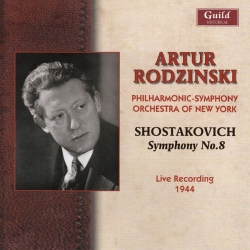
Symphony No. 8 in C minor, Op. 65 "Stalingrad"
1. Adagio - Allegro non troppo - Allegro - Adagio
25:23
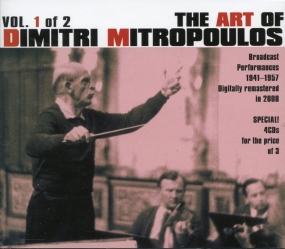
5
7:14
9
16:14
11
Burlesque for piano & orchestra in D minor, AV 85
Burleske in D minor, for piano and orchestra
19:24






Copyright Ⓒ 2013 Davinci Finger. All rights reseved
Service Terms & Policy