


Richard Strauss
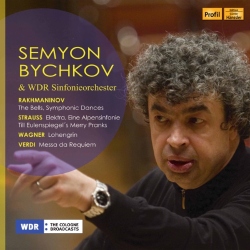
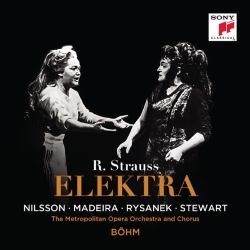
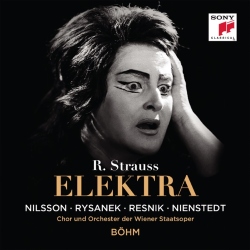
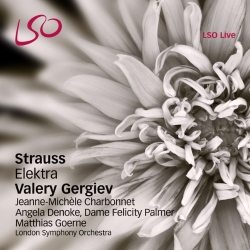
Elektra
Released Album
Recent Album
-
-
-
-
-
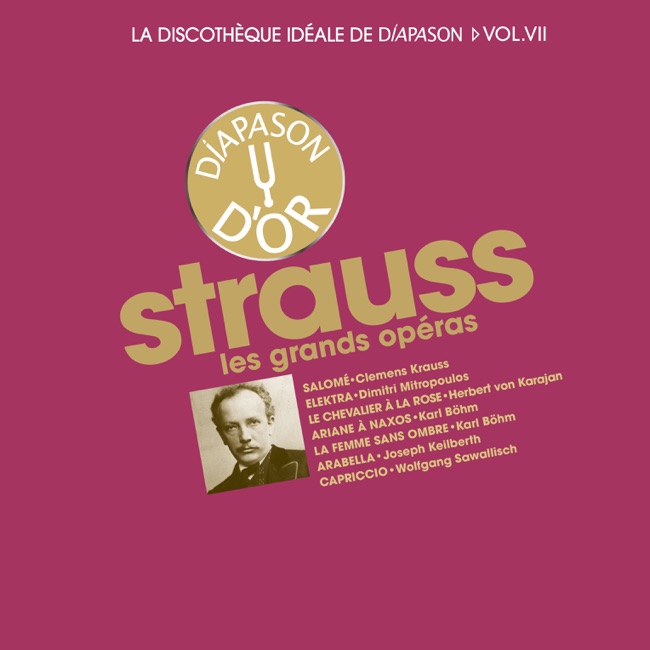 Various ArtistsJune 1, 2016
 -
-
-
-
-
-
-
Featured Album
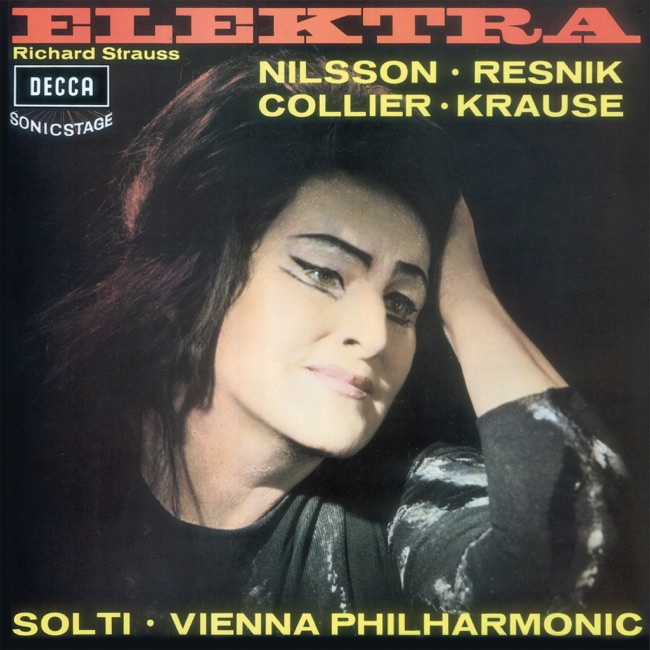
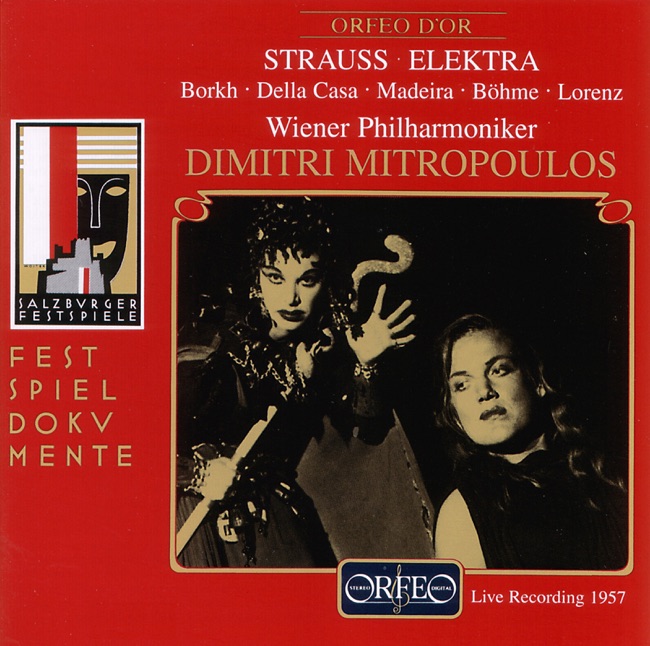
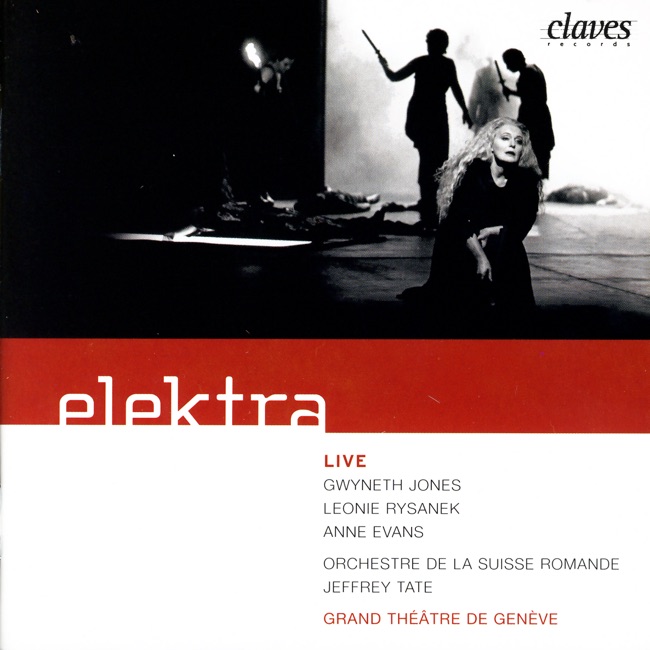
Works Info
Composer:Richard StraussGenre:OperaStyle:OperaCompose Date:1906 - 1908First Performance:Jan 25, 1909Average_duration:100:07Movement_count:29Movement ...."Elektra" is an opera composed by Richard Strauss, with a libretto by Hugo von Hofmannsthal. The opera was composed between 1906 and 1908 and premiered on January 25, 1909, at the Königliches Opernhaus in Dresden, Germany. The plot of "Elektra" is based on the Greek myth of Electra, the daughter of King Agamemnon and Queen Clytemnestra. The story follows Elektra as she seeks revenge for her father's murder at the hands of her mother and her mother's lover, Aegisthus. Elektra is consumed by her desire for revenge and becomes increasingly unstable as the opera progresses. The opera is divided into one continuous act and is characterized by its intense and dissonant music. Strauss uses a large orchestra to create a dense and complex sound, with the use of chromaticism and dissonance to convey the psychological turmoil of the characters. The premiere of "Elektra" was met with mixed reviews, with some critics praising the music and others criticizing it as too dissonant and difficult to listen to. However, the opera quickly gained popularity and has since become one of Strauss's most famous works. "Elektra" is divided into five movements, each of which is characterized by a different mood and musical style. The first movement, "Agamemnon's Death," is a dark and brooding introduction to the opera, with the orchestra setting the stage for the tragedy to come. The second movement, "The Recognition," is a tense and dramatic scene in which Elektra is reunited with her long-lost brother, Orestes. The music is characterized by its use of dissonance and chromaticism, which convey the emotional turmoil of the characters. The third movement, "The Dance," is a frenzied and chaotic dance sequence, in which Elektra and her followers celebrate the prospect of revenge. The music is characterized by its use of complex rhythms and dissonant harmonies, which create a sense of unease and tension. The fourth movement, "The Scene of the Murder," is a dark and brooding scene in which Elektra confronts her mother and Aegisthus. The music is characterized by its use of dissonance and chromaticism, which convey the intense emotions of the characters. The final movement, "The Recognition and Death of Elektra," is a tragic and emotional conclusion to the opera. The music is characterized by its use of lush harmonies and soaring melodies, which convey the sense of release and catharsis that comes with Elektra's death. Overall, "Elektra" is a powerful and intense opera that explores themes of revenge, betrayal, and psychological turmoil. Strauss's use of dissonance and chromaticism creates a complex and emotionally charged musical landscape, which perfectly complements the drama of the story.More....
Works Music

Main Perform Artists
Soprano Vocal
Vocals
Vocals
Vocals
Baritone Vocal
Vocals
Vocals
Vocals
Soprano Vocal
Vocals