


Claude Le Jeune
Released Album
Choral
-
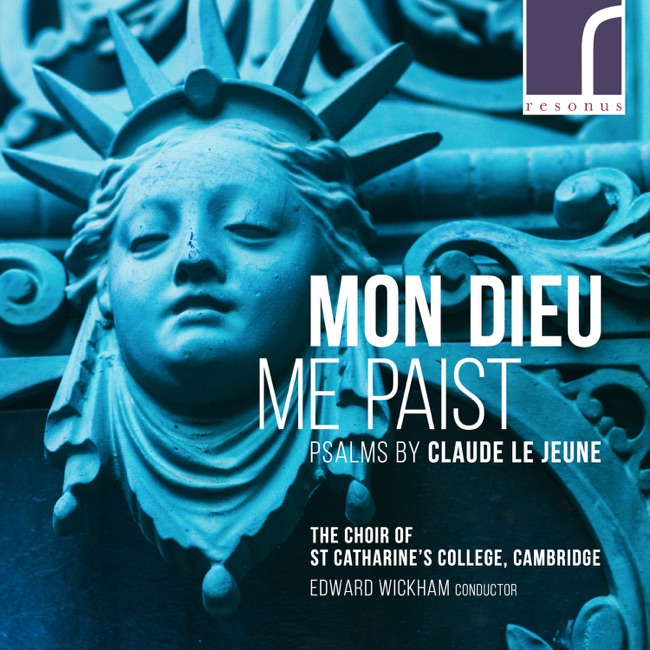 February 16, 2018
 -
 November 3, 2017
 -
 September 23, 2016
 -
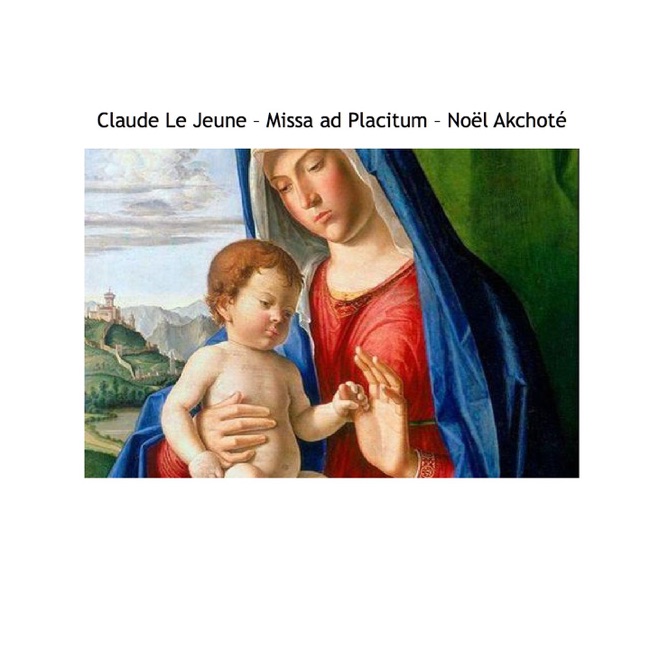 September 19, 2016
 -
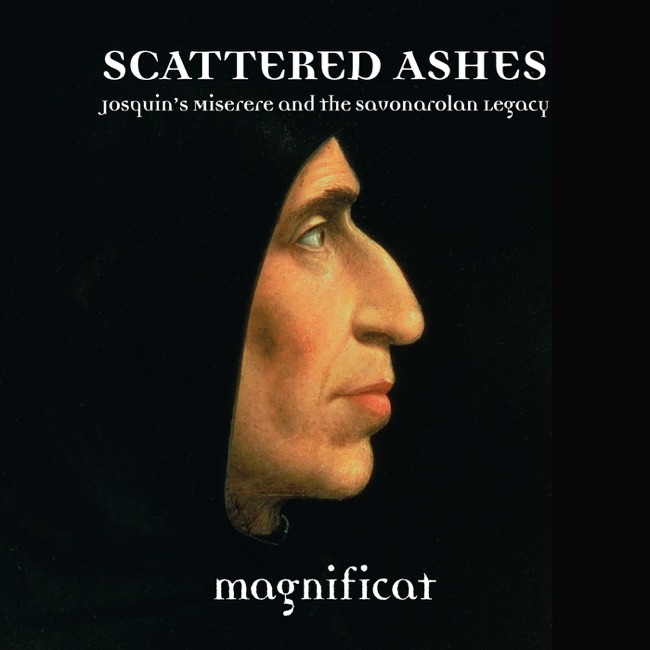 February 19, 2016
 -
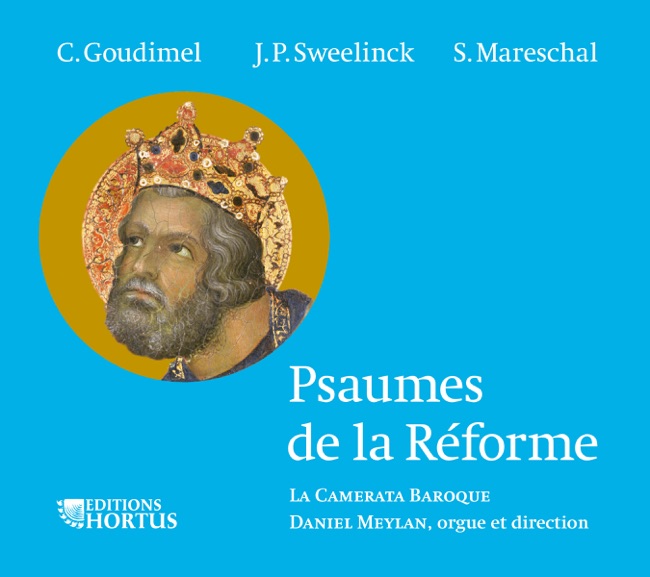 July 12, 2011
Miscellaneous
-
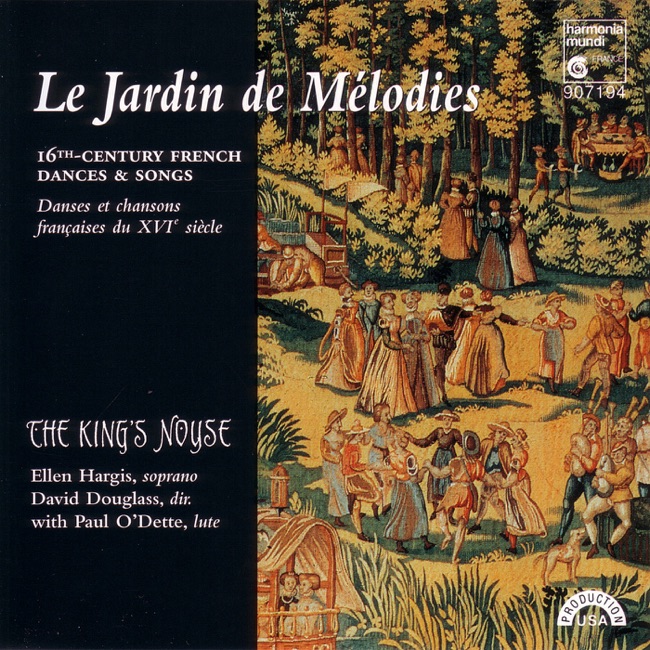 October 14, 1997
Vocal
-
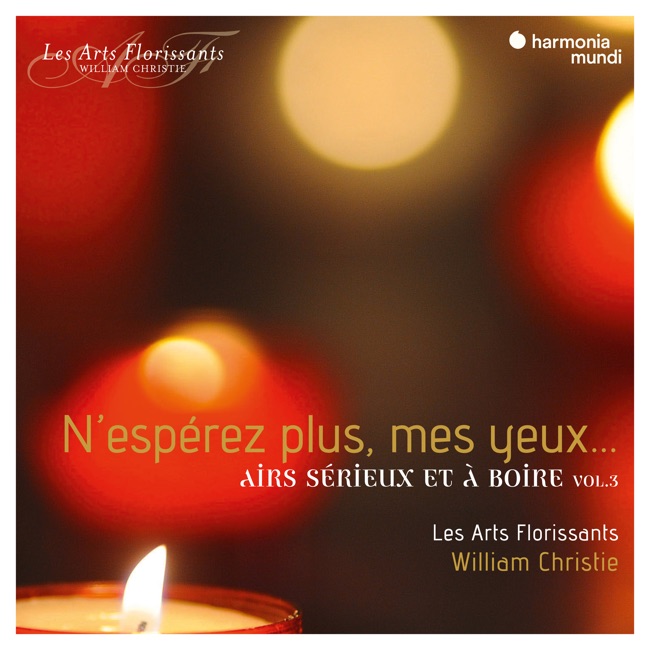
-
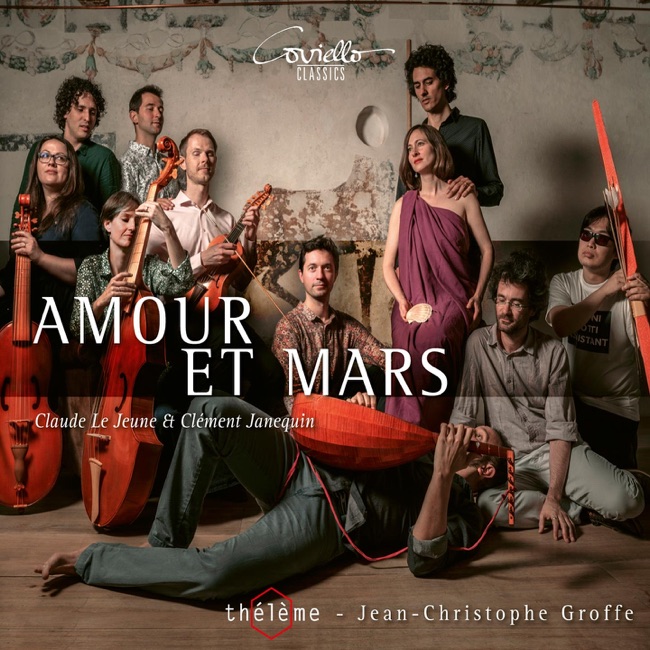 May 17, 2019
 -
 November 3, 2017
 -
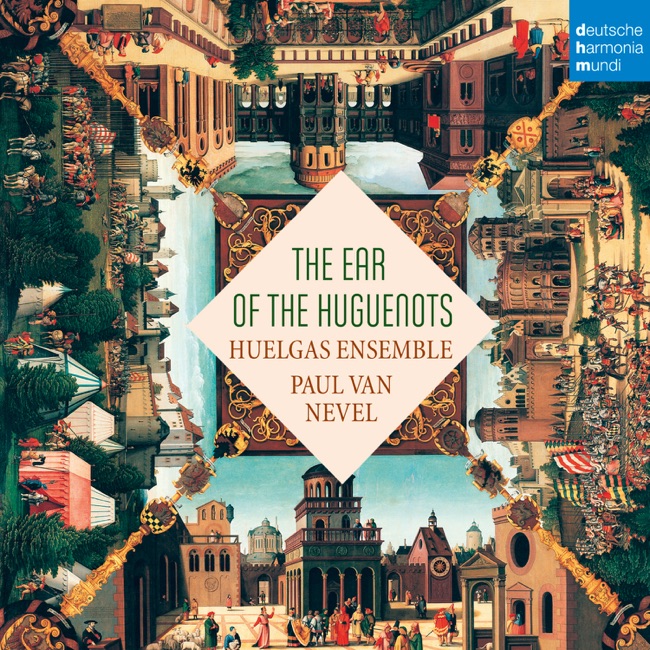 August 11, 2017
 -
 January 13, 2008
Chamber
-
 February 9, 2010
Artist Info
Role:ComposerCountry: FranceBirth:1528 in Valenciennes, FranceDeath:September 26, 1600 in Paris, FrancePeriod:RenaissanceGenre:ChoralClaude Le Jeune was a French composer of the Renaissance period, born in Valenciennes in 1528. He was the son of a musician, and his father was a member of the choir at the local church. Le Jeune showed an early interest in music and began his musical education at a young age. Le Jeune's musical education began with his father, who taught him to play the lute and the viol. He also received instruction in singing and composition from local musicians. In 1549, Le Jeune moved to Paris to study music at the Collège de Navarre. There, he studied under the renowned composer and music theorist Adrian Willaert. After completing his studies, Le Jeune began working as a musician in Paris. He quickly gained a reputation as a talented composer and performer, and he was soon appointed as a musician to the court of King Charles IX. Le Jeune remained in the service of the French court for the rest of his life, composing music for various royal occasions and events. Le Jeune's music was highly regarded during his lifetime, and he was considered one of the leading composers of his time. His works were known for their intricate harmonies and complex polyphonic textures. He was particularly skilled at setting French texts to music, and his chansons were widely admired for their beauty and elegance. One of Le Jeune's most famous works is his collection of chansons, "Le Printemps." This collection, which was published in 1603, contains 35 chansons that celebrate the joys of spring. The chansons are written in a variety of styles, ranging from simple and elegant to complex and ornate. Another notable work by Le Jeune is his "Meslanges," a collection of 60 chansons that was published in 1582. This collection includes some of Le Jeune's most famous works, including "Revecy venir du printans" and "Une puce j'ay dedans l'oreille." The chansons in this collection are known for their intricate harmonies and complex polyphonic textures. In addition to his chansons, Le Jeune also composed a number of sacred works, including motets and psalms. His sacred music was highly regarded for its beauty and elegance, and it was often performed in churches and cathedrals throughout France. Le Jeune's music was highly influential during his lifetime, and it had a lasting impact on the development of French music. His use of complex harmonies and polyphonic textures was particularly influential, and it helped to pave the way for the development of the Baroque style of music. Despite his many accomplishments, Le Jeune's life was not without its challenges. He lived during a time of great political and religious upheaval in France, and he was forced to navigate the complex political landscape of the time. He also faced personal challenges, including the death of his wife and several of his children. Despite these challenges, Le Jeune remained dedicated to his music throughout his life. He continued to compose and perform until his death in 1600, leaving behind a legacy of beautiful and influential music that continues to be celebrated to this day.More....
Recent Artist Music
5
2:8
6
4:41


Copyright Ⓒ 2013 Davinci Finger. All rights reseved
Service Terms & Policy