


Louis-Nicolas Clérambault
Released Album
Keyboard
-
 February 9, 2024
 -
 October 27, 2022
 -
 March 18, 2022
 -
 November 27, 2021
 -
 October 1, 2021
 -
 December 11, 2020
Choral
-
-
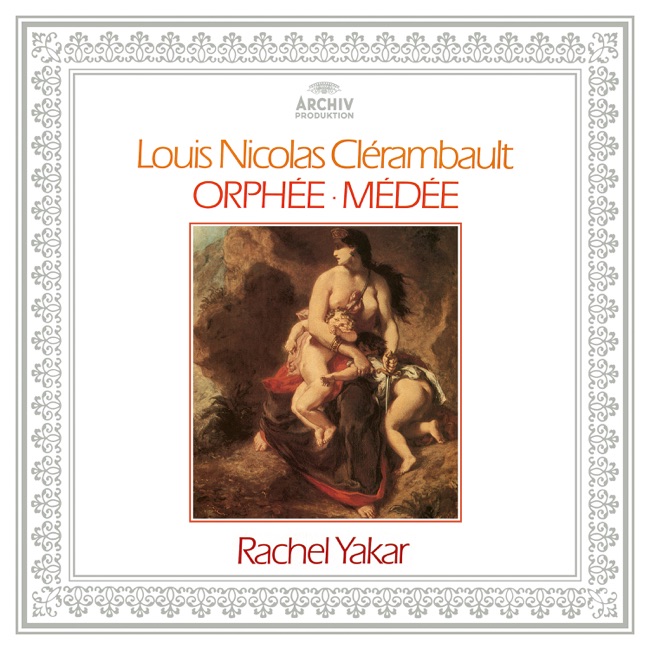 July 29, 2022
 -
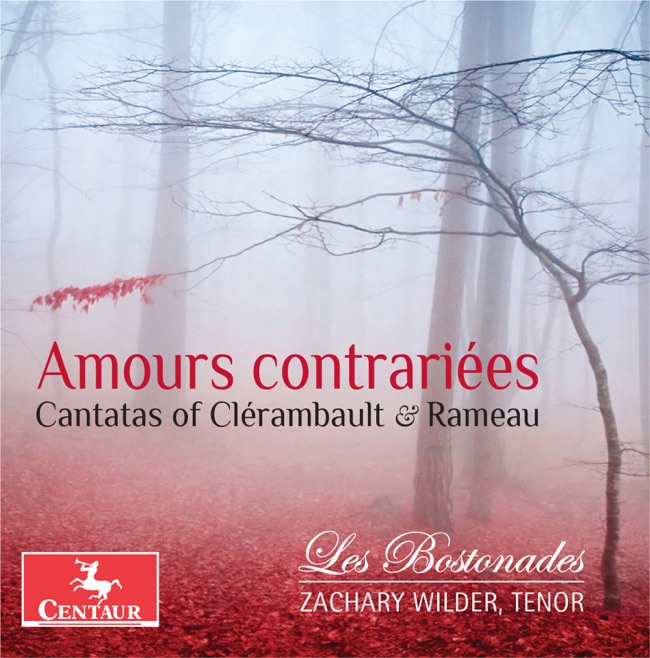 May 11, 2018
 -
 October 28, 2016
 -
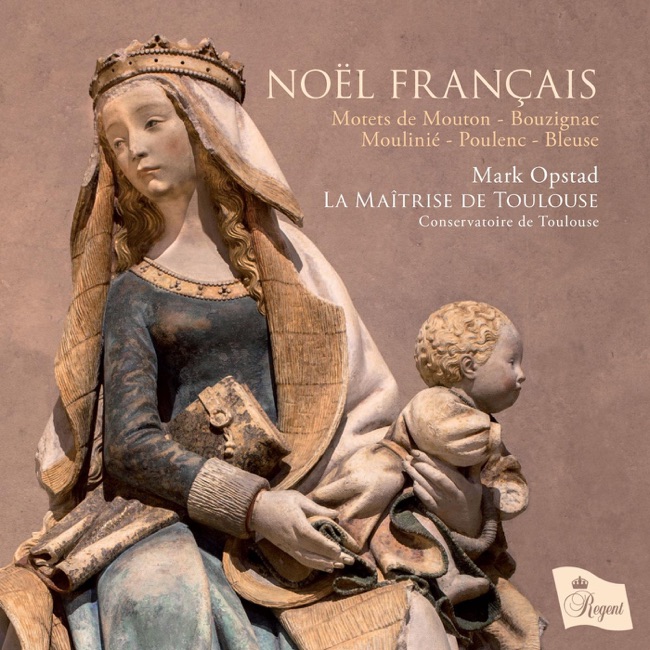
-
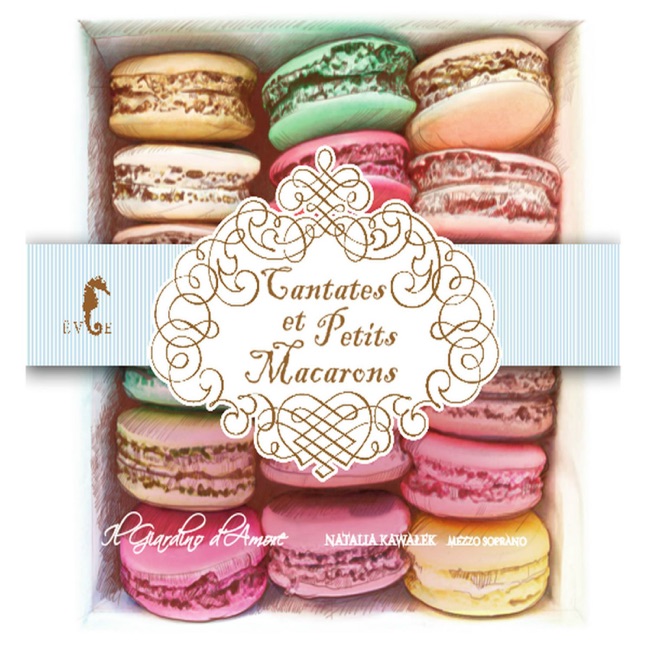 September 11, 2015
Vocal
-
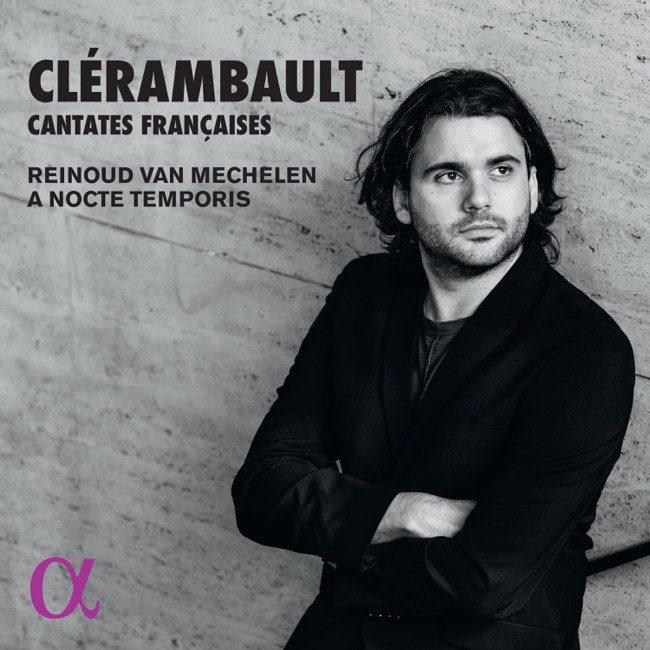 January 26, 2018
 -
 April 8, 2016
 -
 February 14, 2012
 -
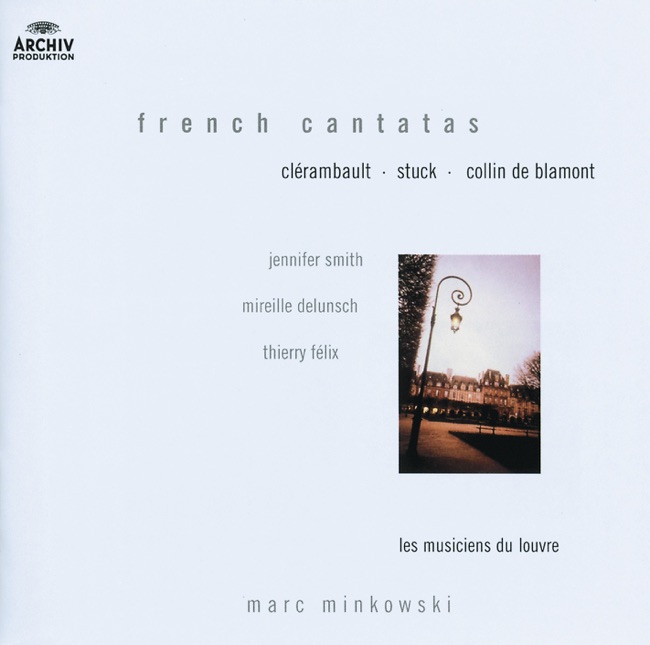 October 8, 2002
Artist Info
Role:ComposerCountry: FranceBirth:December 19, 1676 in Paris, FranceDeath:October 26, 1749 in Paris, FrancePeriod:BaroqueGenre:ChoralKeyboardLouis-Nicolas Clérambault was a French composer and organist who lived from 19 December 1676 to 26 October 1749. He was born in Paris, France, to a family of musicians. His father, Louis Clérambault, was a renowned organist and composer, and his mother, Marie-Anne Ballard, was a singer. Louis-Nicolas Clérambault grew up in a musical environment and showed an early interest in music. Clérambault received his musical education from his father and later studied with André Raison, the organist at the Church of Saint-Jacques-de-la-Boucherie in Paris. He also studied composition with Jean-Baptiste Moreau, a prominent composer of the time. Clérambault's talent as a musician was recognized early on, and he was appointed organist at the Church of Saint-Sulpice in Paris at the age of 22. Clérambault's career as a composer began in earnest in the early 1700s. He composed a number of works for the stage, including operas and ballets. His first opera, Poliphème, was performed in 1704 and was well received. Clérambault's music was characterized by its elegance and refinement, and he was known for his skillful use of harmony and counterpoint. In addition to his work for the stage, Clérambault composed a number of sacred works, including cantatas and motets. His sacred music was highly regarded and was performed in churches throughout France. Clérambault's most famous sacred work is his cantata Le Triomphe de la Paix, which was composed in 1737 to celebrate the signing of the Treaty of Vienna. Clérambault's music was also popular in the court of Louis XV, and he was appointed court composer in 1733. He composed a number of works for the court, including a Te Deum and a Messe de Minuit pour Noël. Clérambault's music was also performed in other European courts, including those of Spain and Portugal. Clérambault's style of composition was influenced by the Italian Baroque style, which was popular in France at the time. His music was characterized by its use of ornamentation and its emphasis on melody. Clérambault was also known for his use of the French overture, a musical form that was popular in the Baroque era. Clérambault's most famous work is his cantata Médée, which was composed in 1710. The cantata tells the story of the Greek mythological figure Medea, who kills her children in revenge for her husband's infidelity. Médée was highly regarded for its dramatic intensity and its use of chromaticism, a musical technique that involves the use of notes outside of the traditional diatonic scale. Clérambault's other notable works include his cantatas Pyrame et Thisbé and Orphée, as well as his organ music, which includes a number of preludes and fugues. Clérambault's music was highly regarded during his lifetime, and he was considered one of the leading composers of his time. Clérambault's legacy as a composer has endured to the present day. His music continues to be performed and recorded, and his influence can be heard in the works of later composers, including Jean-Philippe Rameau and François Couperin. Clérambault's contribution to the development of French Baroque music is significant, and his music remains an important part of the classical music canon.More....
Recent Artist Music
1
3:23
2
2:22
13
2:49
15
Premier Livre et Plain Chant for organ
Suite du deuxième ton. in G Minor: VI. Recit de Nazard
2:35
Related Artists
Copyright Ⓒ 2013 Davinci Finger. All rights reseved
Service Terms & Policy