Louis-Nicolas Clérambault
Miserere
Released Album
Recent Album
Featured Album
Works Info
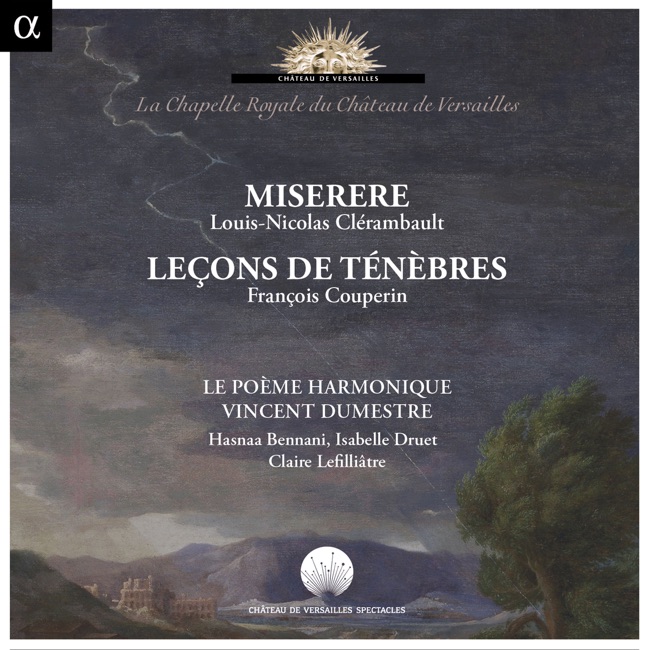
Composer:Louis-Nicolas ClérambaultGenre:ChoralStyle:MotetAverage_duration:25:35Louis-Nicolas Clérambault's 'Miserere' is a sacred choral work that was composed in the early 18th century. The piece was premiered in Paris in 1713 and was performed during Holy Week. The 'Miserere' is a setting of Psalm 51, which is a penitential psalm that is traditionally used during Lent and Holy Week. The 'Miserere' is divided into nine movements, each of which is based on a different section of the psalm. The first movement is a choral setting of the opening verse of the psalm, which begins with the words "Miserere mei, Deus" (Have mercy on me, O God). The second movement is a duet for soprano and alto that is based on the second verse of the psalm. The third movement is a choral setting of the third verse, which begins with the words "Quoniam iniquitatem meam ego cognosco" (For I acknowledge my transgressions). The fourth movement is a solo aria for alto that is based on the fourth verse of the psalm. The fifth movement is a choral setting of the fifth verse, which begins with the words "Ecce enim in iniquitatibus conceptus sum" (For behold, I was shapen in iniquity). The sixth movement is a duet for soprano and alto that is based on the sixth verse of the psalm. The seventh movement is a choral setting of the seventh verse, which begins with the words "Asperges me hyssopo, et mundabor" (Purge me with hyssop, and I shall be clean). The eighth movement is a solo aria for soprano that is based on the eighth verse of the psalm. The final movement is a choral setting of the closing verse of the psalm, which begins with the words "Tunc acceptabis sacrificium justitiae" (Then shalt thou be pleased with the sacrifice of righteousness). The 'Miserere' is characterized by its use of polyphony, which is a style of music that features multiple independent voices or parts. Clérambault's use of polyphony creates a rich and complex texture that is both beautiful and emotionally powerful. The piece also features a variety of vocal techniques, including recitative, aria, and choral singing, which adds to its expressive range. Overall, Clérambault's 'Miserere' is a masterful work of sacred choral music that continues to be performed and admired today. Its powerful emotional impact and beautiful musical language make it a timeless masterpiece of the Baroque era.More....