


Elemér Lavotha
Released Album
Chamber
-
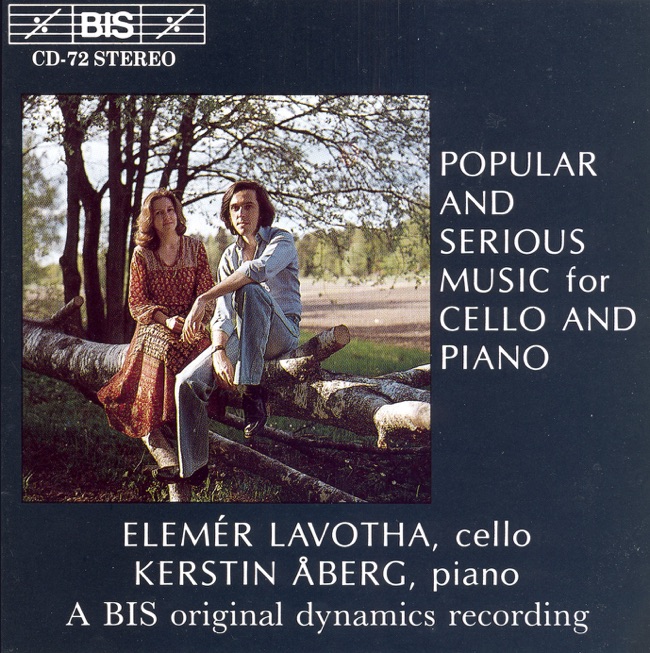
-
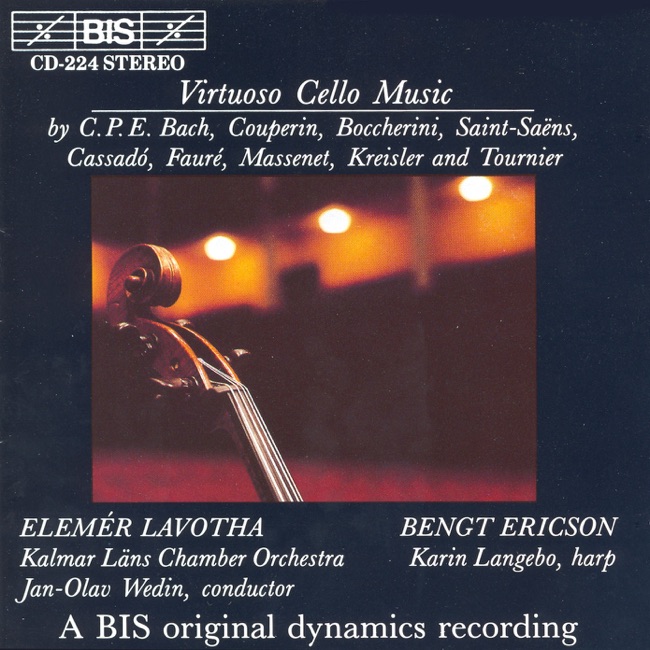 March 6, 1995
 -
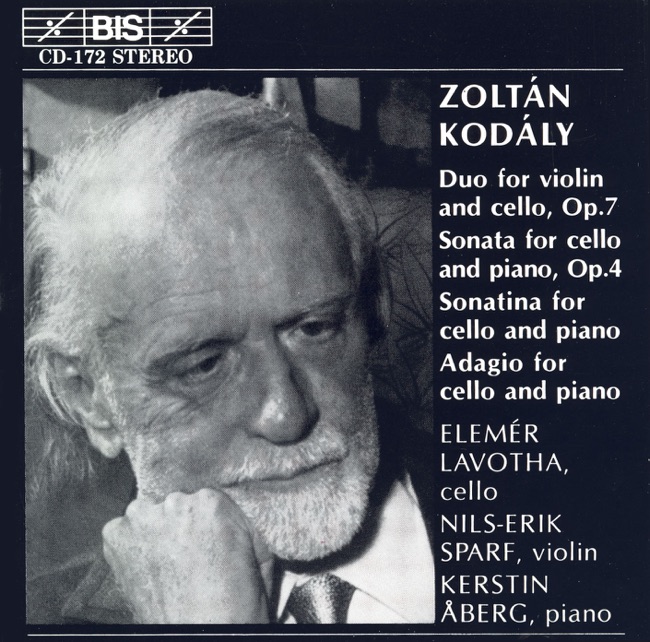 September 22, 1994
 -
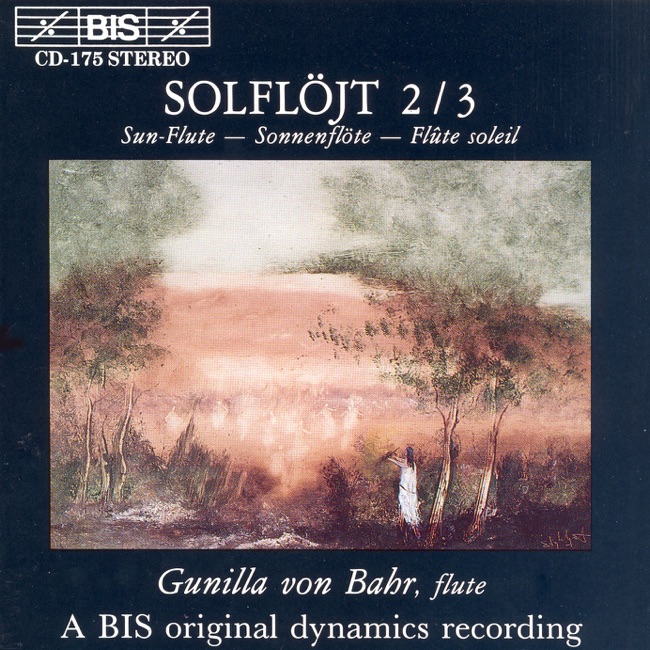 September 22, 1994
Symphony
-
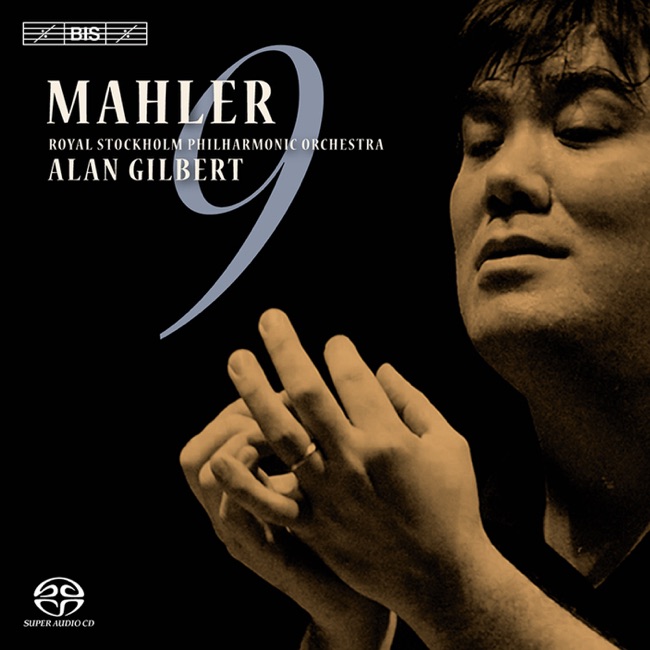 August 1, 2009
 -
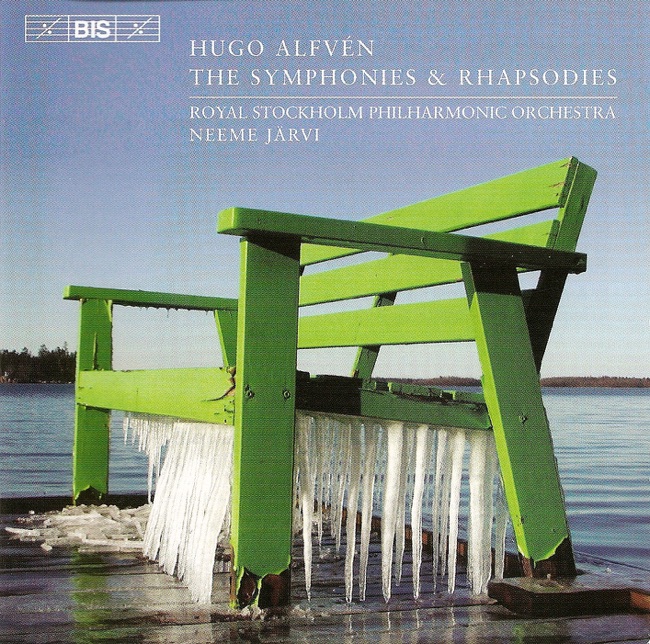 October 20, 2008
 -
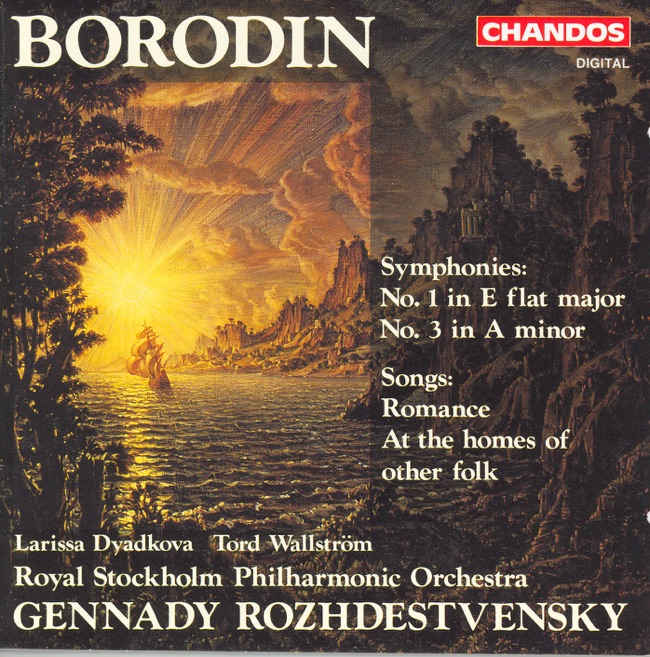 March 1, 1994
Artist Info
Period:RomanticModernGenre:ChamberElemér Lavotha was a Hungarian cellist and composer who was born on January 21, 1842, in Pest, Hungary. He was born into a family of musicians, and his father was a cellist in the Hungarian National Theatre Orchestra. Lavotha began playing the cello at a young age and showed great promise as a musician. Lavotha received his early musical education from his father and later studied at the Vienna Conservatory under the renowned cellist Joseph Merk. He made his debut as a soloist at the age of 16 and quickly gained a reputation as one of the most talented cellists of his generation. In 1862, Lavotha was appointed principal cellist of the Vienna Court Opera Orchestra, a position he held for 25 years. During this time, he also performed as a soloist throughout Europe and the United States, earning critical acclaim for his virtuosic playing and expressive interpretations. Lavotha was known for his technical mastery of the cello, particularly his ability to play rapid passages with great precision and clarity. He was also admired for his rich, warm tone and his ability to convey deep emotion through his playing. One of Lavotha's most notable performances was his 1877 debut at London's Crystal Palace, where he performed Antonín Dvořák's Cello Concerto in B minor. The performance was a great success, and Lavotha was praised for his sensitive interpretation of the work. In addition to his career as a performer, Lavotha was also a prolific composer. He wrote numerous works for the cello, including concertos, sonatas, and chamber music. His compositions were influenced by the Romantic style of the time and were characterized by their lyrical melodies and expressive harmonies. Lavotha's most famous composition is his Cello Concerto in D major, which he wrote in 1872. The concerto is a virtuosic showcase for the cello, with fast, technically demanding passages and soaring melodies. It has become a staple of the cello repertoire and is still performed regularly today. Throughout his career, Lavotha received numerous awards and honors for his contributions to music. In 1888, he was awarded the Gold Medal of the Royal Philharmonic Society in London, and in 1892, he was made an honorary member of the Vienna Philharmonic Orchestra. Lavotha continued to perform and compose until his death on February 15, 1900, in Vienna, Austria. He left behind a legacy as one of the greatest cellists of his time and a composer whose works continue to be admired and performed today.More....
Recent Artist Music
1
2:38
5
47:46
9
5:51
10
47:45

15
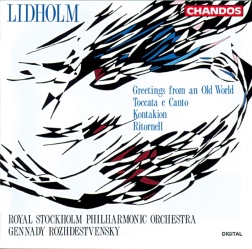
15:13
Copyright Ⓒ 2013 Davinci Finger. All rights reseved
Service Terms & Policy