


Ingvar Lidholm
Released Album
Chamber
-
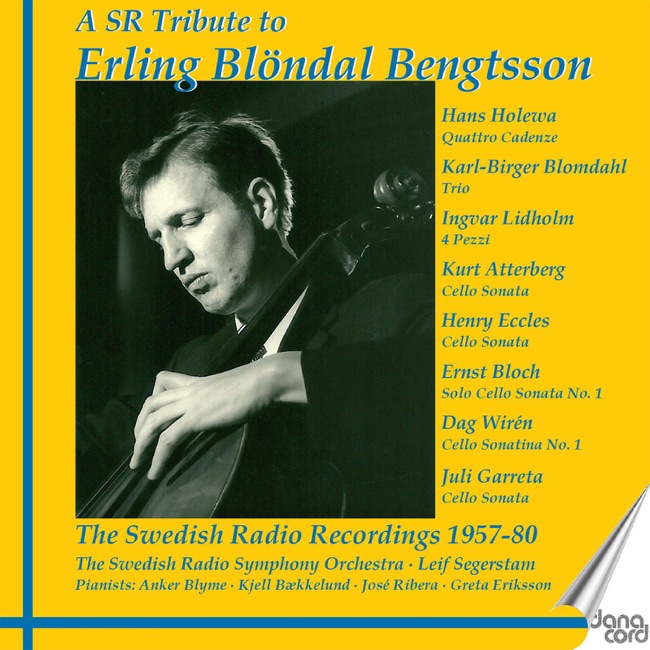 May 26, 2017
 -
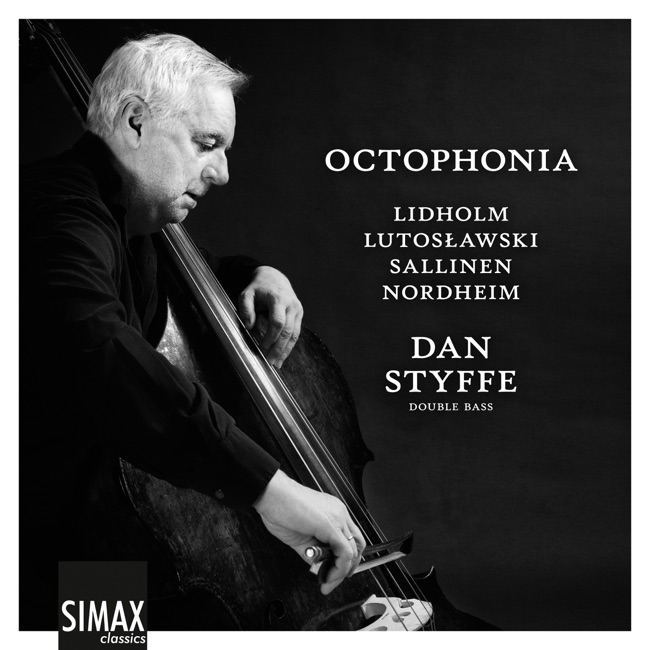 June 10, 2016
 -
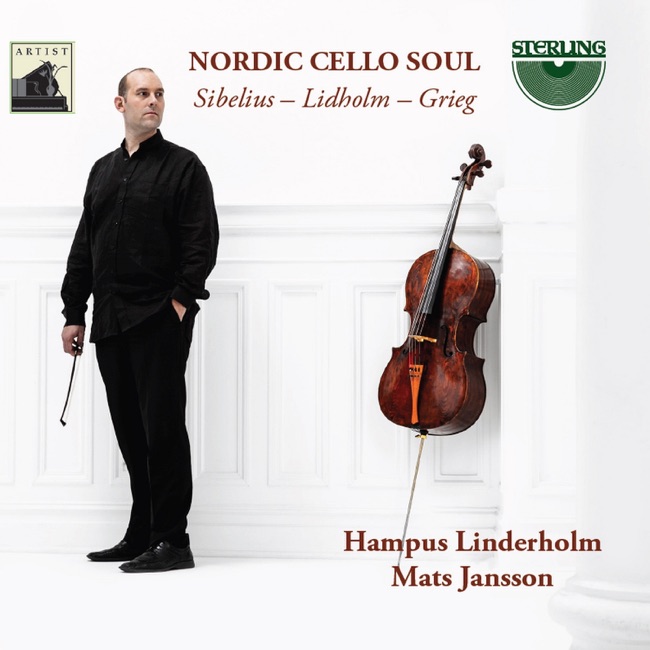 January 1, 2013
 -
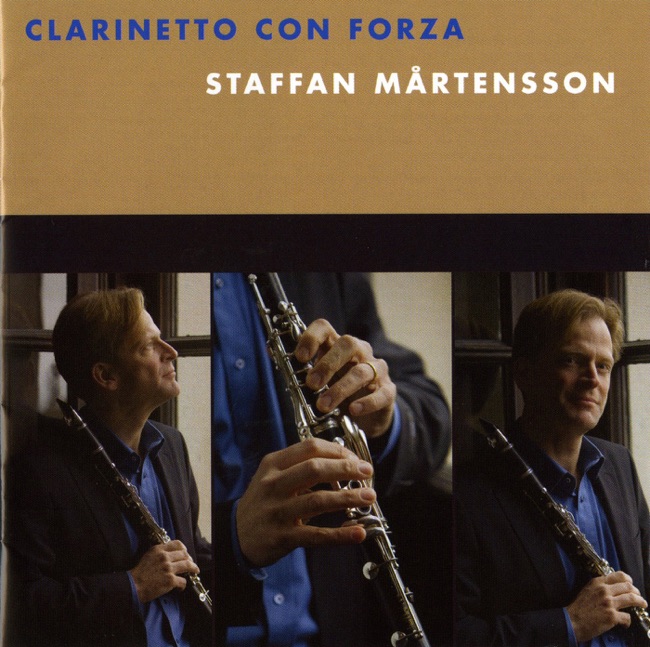 August 15, 2006
 -
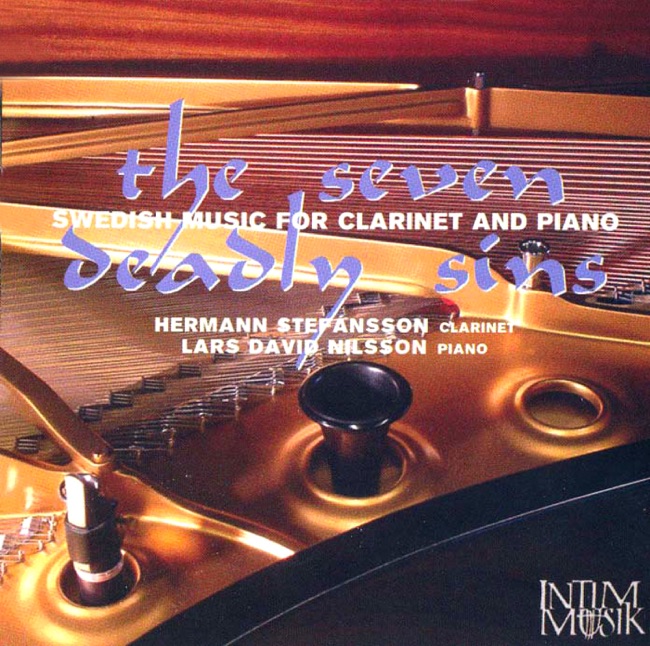 April 29, 2003
 -
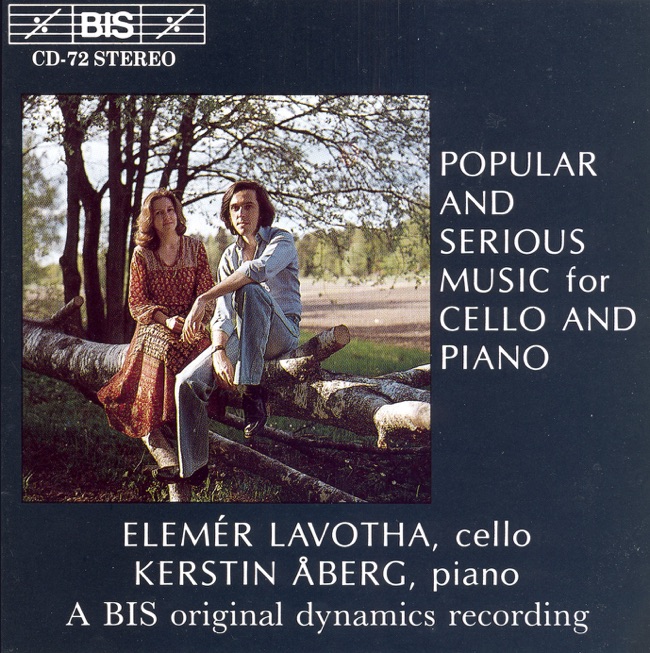
Orchestral
-
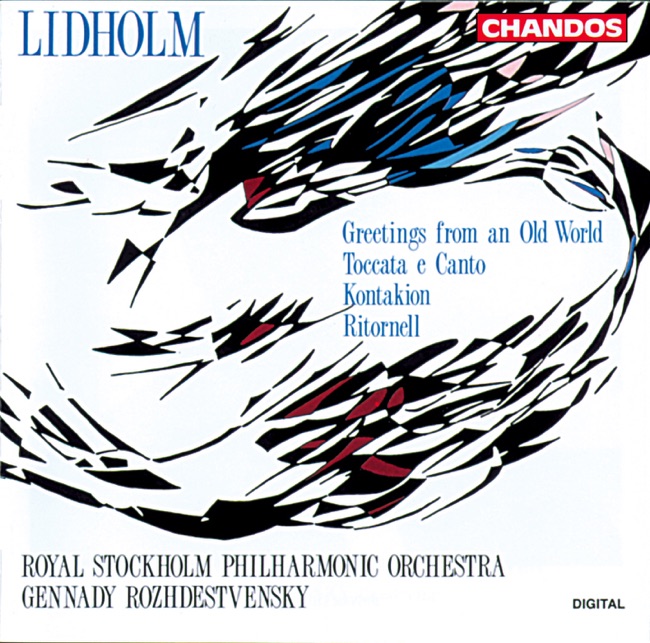
-
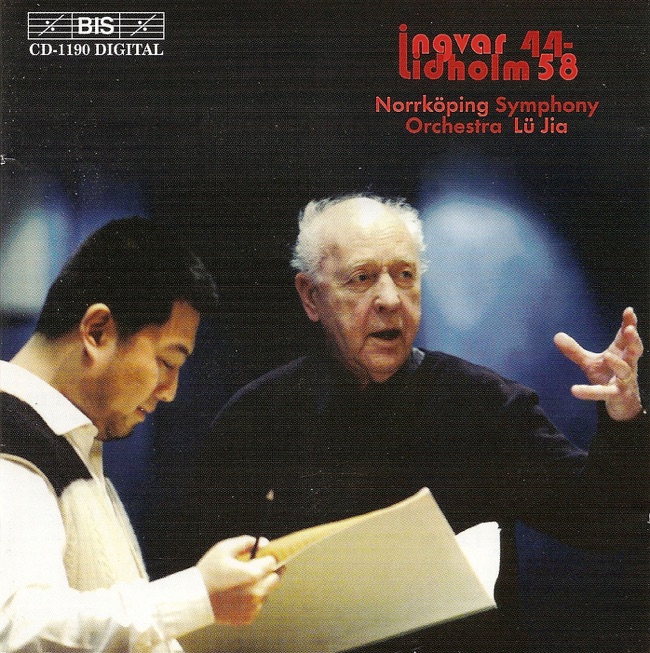 February 24, 2004
 -
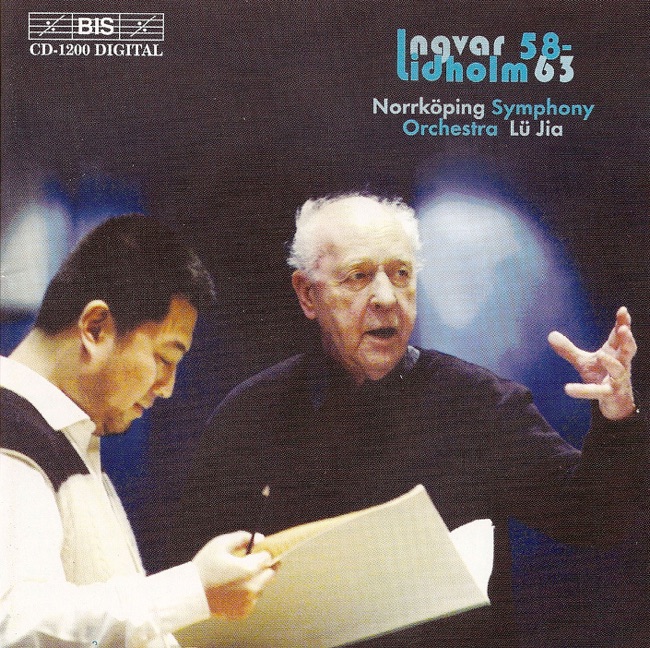 May 27, 2003
 -
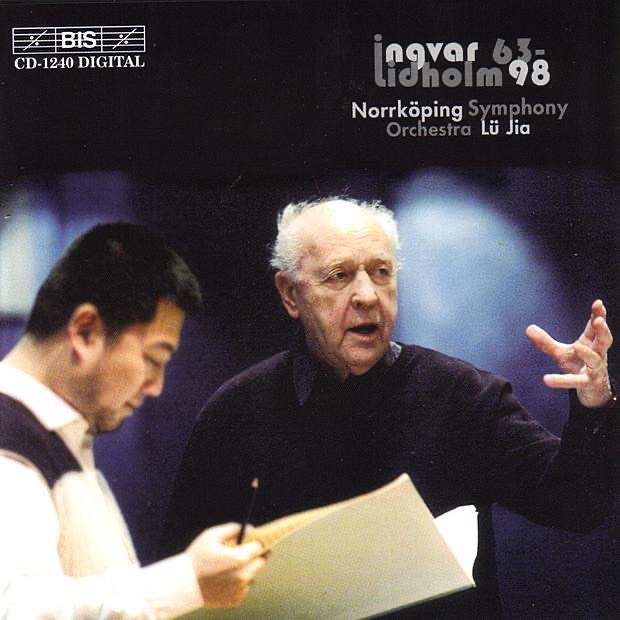 October 29, 2002
 -
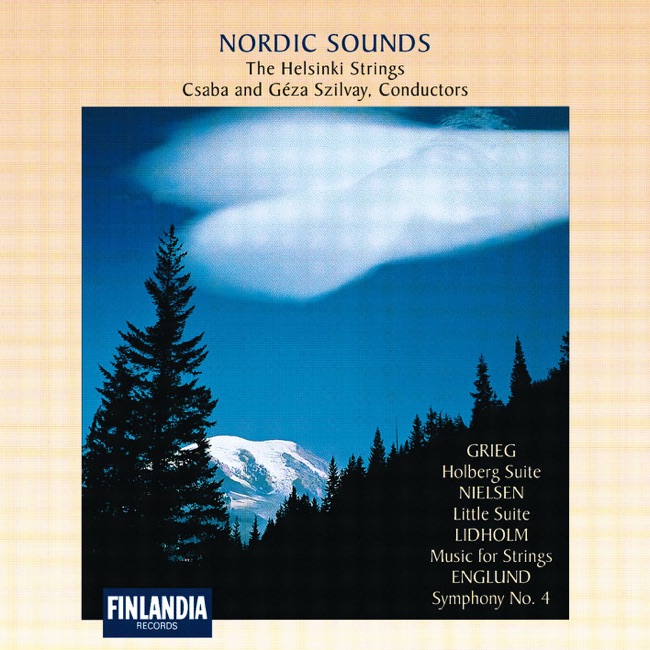 December 13, 1993
 -
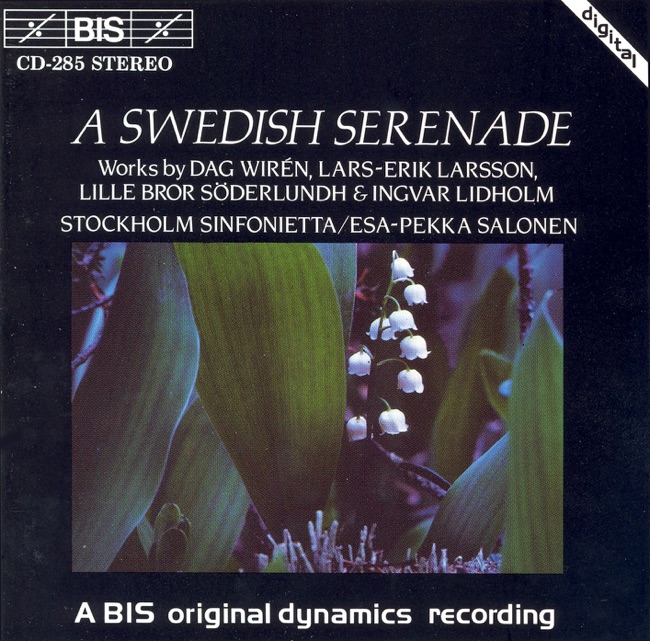 April 26, 1993
Miscellaneous
-
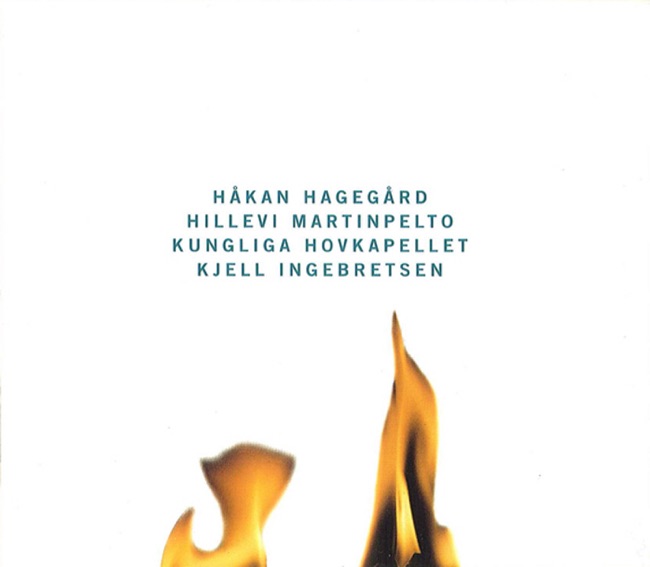 September 1, 2010
Vocal
-
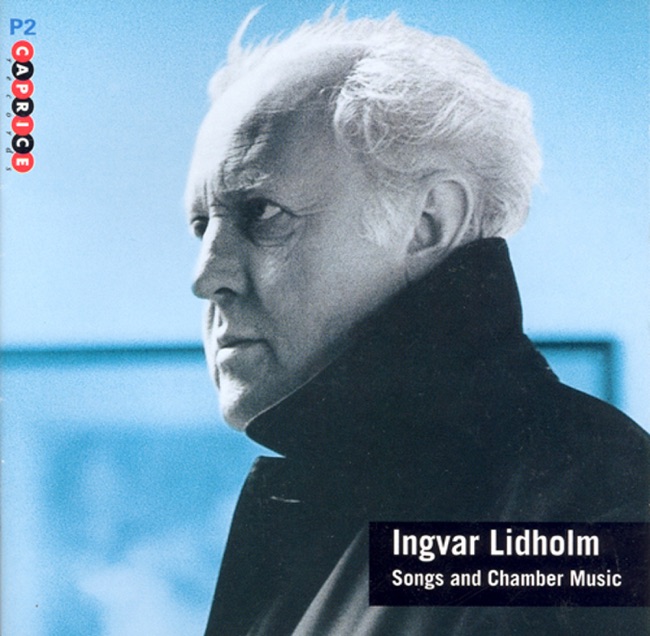 July 22, 1996
Artist Info
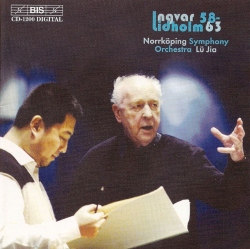
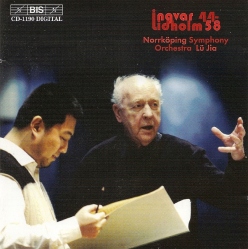
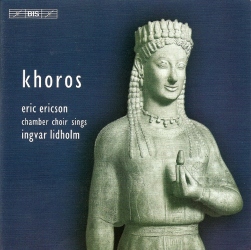
Role:Composer ConductorCountry: SwedenBirth:February 24, 1921Death:October 17, 2017Period:ModernGenre:ChamberKeyboardOrchestralIngvar Lidholm was a Swedish composer who was born on February 24, 1921, in Jönköping, Sweden. He was the son of a music teacher and grew up in a musical family. Lidholm began playing the piano at a young age and showed an early interest in music. He went on to study at the Royal College of Music in Stockholm, where he studied composition with Hilding Rosenberg and conducting with Tor Mann. Lidholm's early works were influenced by the neoclassical style of Stravinsky and Hindemith. However, he soon developed his own unique style, which was characterized by a strong sense of rhythm, dissonance, and a focus on timbre. Lidholm's music was often described as being dark and intense, with a sense of drama and tension. One of Lidholm's early works, the Concerto for Orchestra, was premiered in 1953 and was well-received by critics. The piece showcased Lidholm's skill in orchestration and his ability to create complex textures and rhythms. Another notable work from this period was the String Quartet No. 1, which was premiered in 1954. The piece was praised for its use of dissonance and its exploration of different timbres and textures. In the 1960s, Lidholm began to incorporate electronic music into his compositions. He was one of the first composers in Sweden to experiment with electronic music, and his works from this period were characterized by a fusion of acoustic and electronic sounds. One of his most famous works from this period was Poesis, which was premiered in 1963. The piece was a collaboration with the poet Lars Forssell and featured electronic music, spoken word, and live instruments. Lidholm's music continued to evolve throughout the 1970s and 1980s. He began to incorporate more traditional Swedish folk music into his compositions, and his works from this period were characterized by a more lyrical and melodic style. One of his most famous works from this period was the orchestral piece Ritornell, which was premiered in 1976. The piece was inspired by Swedish folk music and featured a solo violin playing a traditional Swedish melody. Lidholm's later works were characterized by a more introspective and contemplative style. He continued to explore new sounds and textures, but his music became more focused on the emotional and spiritual aspects of music. One of his most famous works from this period was the choral piece De Profundis, which was premiered in 1991. The piece was a setting of the psalm "Out of the Depths" and was praised for its emotional depth and spiritual power. Throughout his career, Lidholm was recognized as one of Sweden's most important composers. He received numerous awards and honors, including the Litteris et Artibus medal from the Swedish government in 1963 and the Polar Music Prize in 1999. Lidholm's music has been performed by orchestras and ensembles around the world, and his influence can be heard in the works of many contemporary composers. Ingvar Lidholm passed away on October 17, 2017, at the age of 96. He left behind a legacy of innovative and powerful music that continues to inspire and challenge audiences today.More....
Recent Artist Music
2
4:34

Copyright Ⓒ 2013 Davinci Finger. All rights reseved
Service Terms & Policy