


Hilding Rosenberg
Released Album
Symphony
-
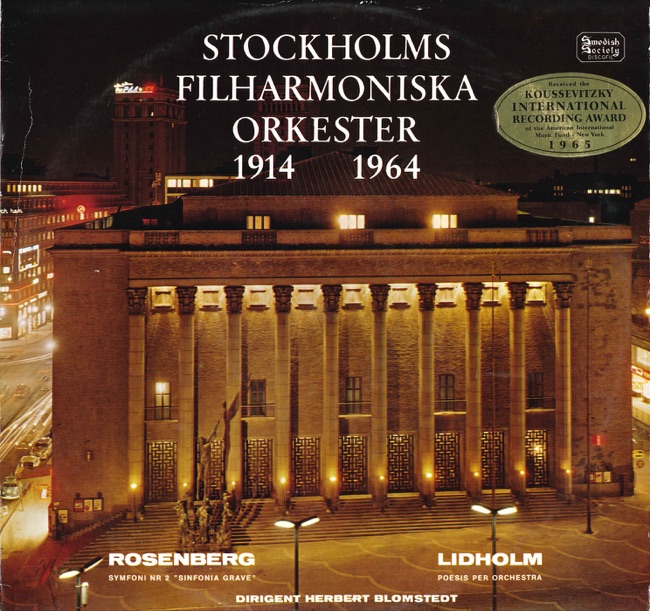 December 1, 2014
 -
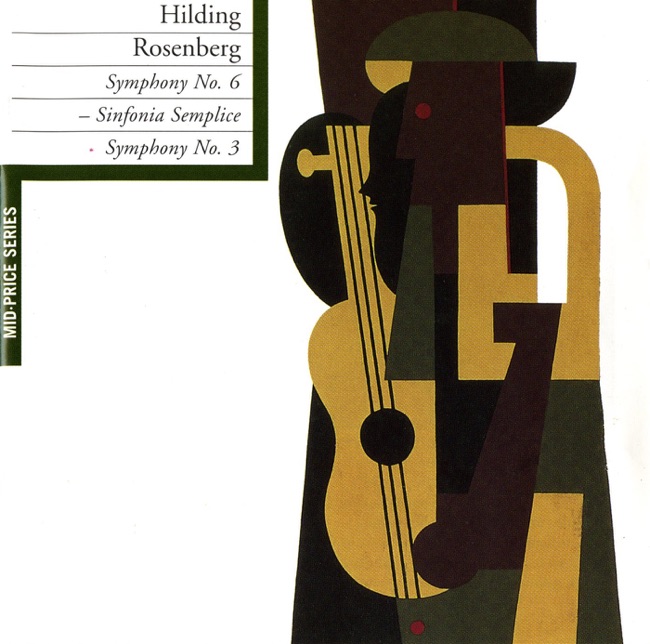
-
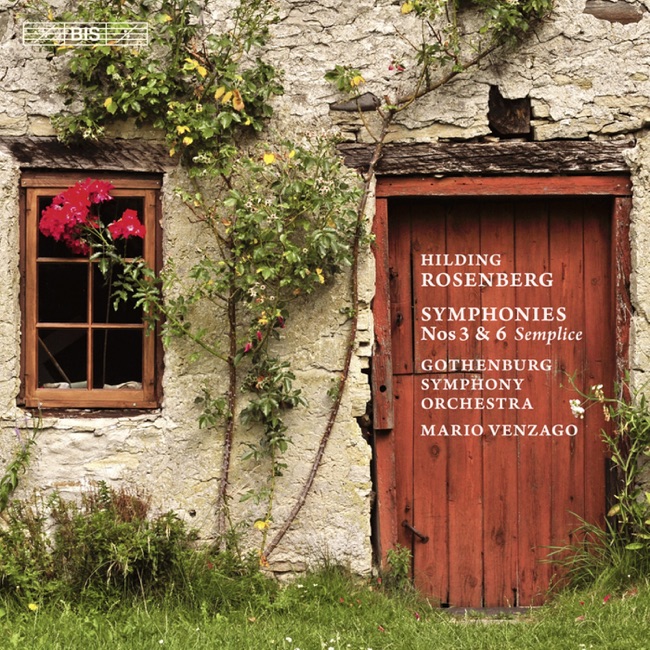 March 30, 2010
 -
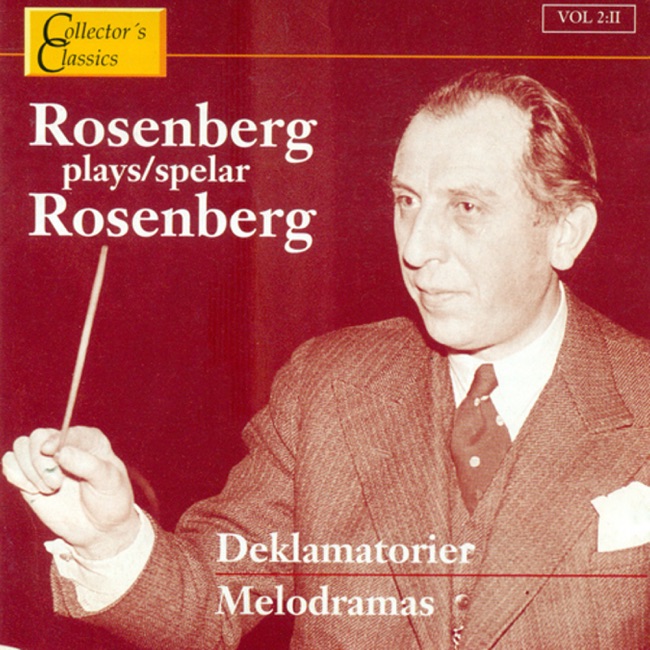 October 1, 1999
 -
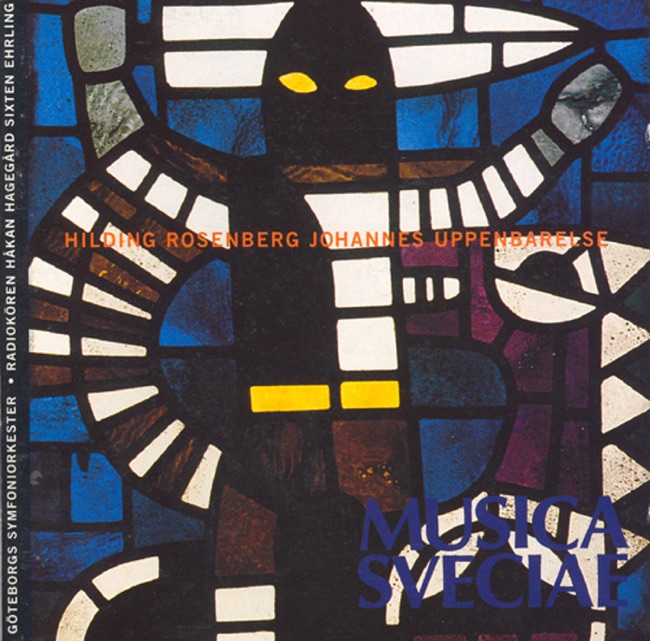 January 1, 1992
Chamber
-
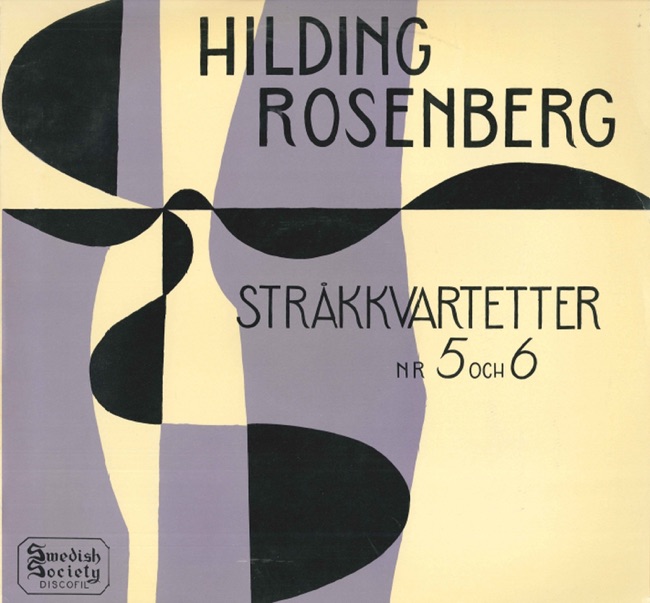 August 1, 2014
 -
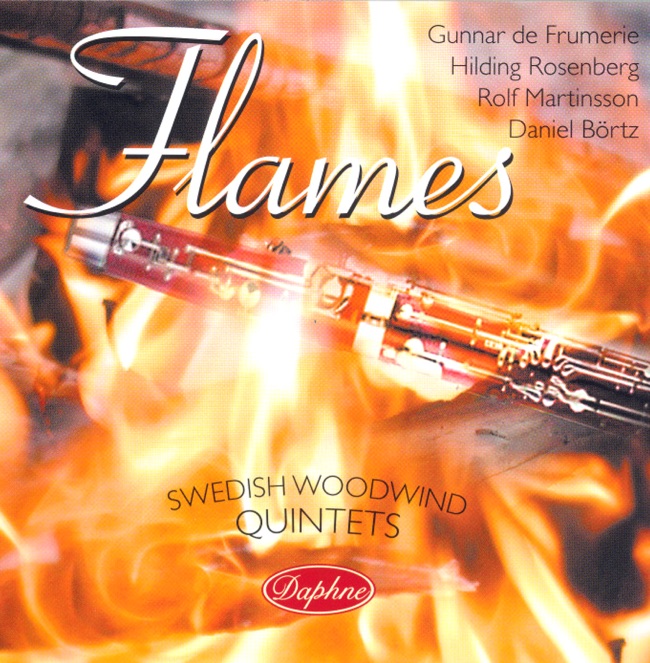 December 27, 2005
 -
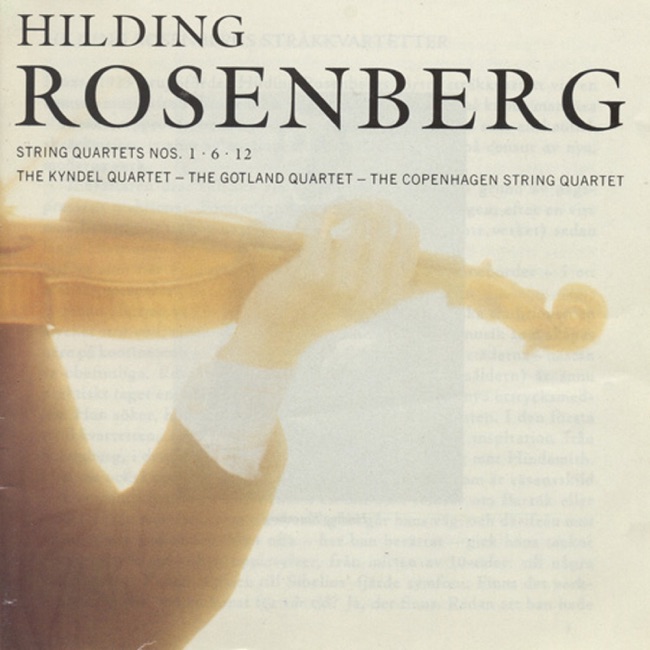 September 11, 2002
 -
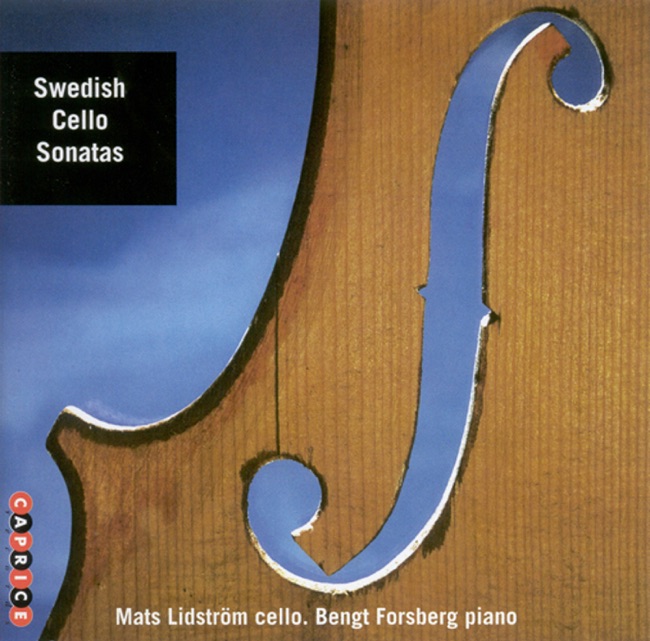 July 22, 1996
 -
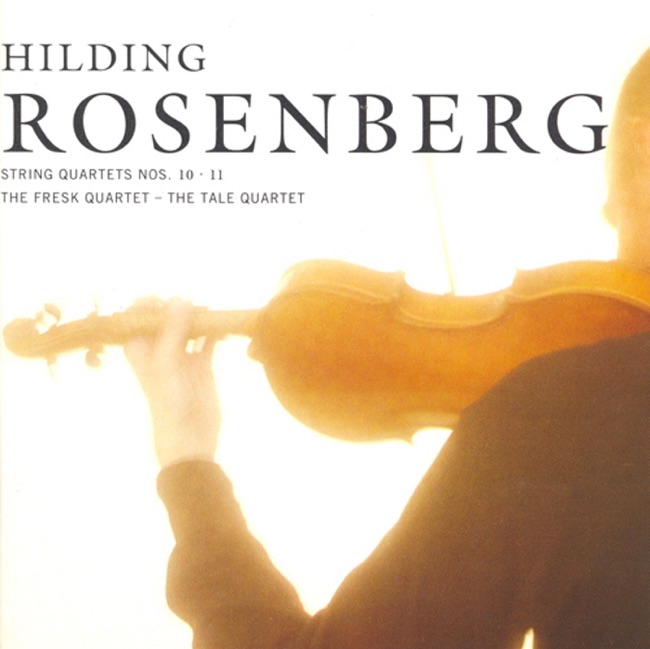 January 1, 1991
 -
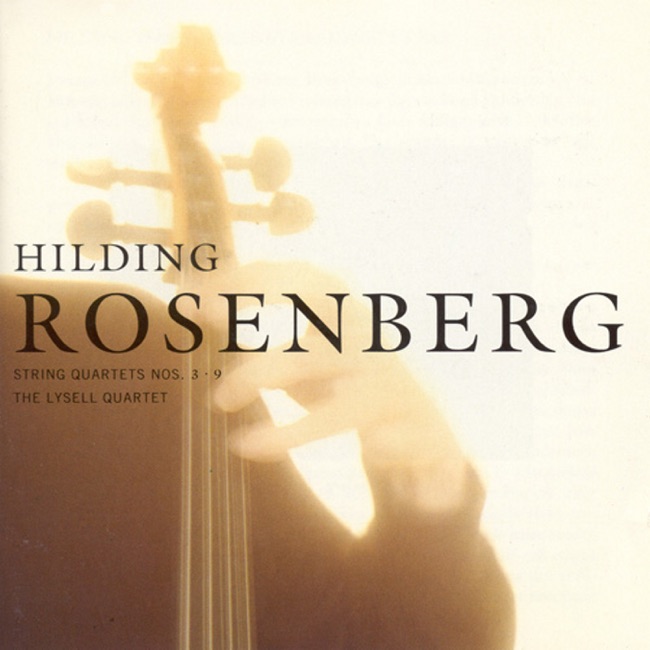 January 1, 1991
Keyboard
-
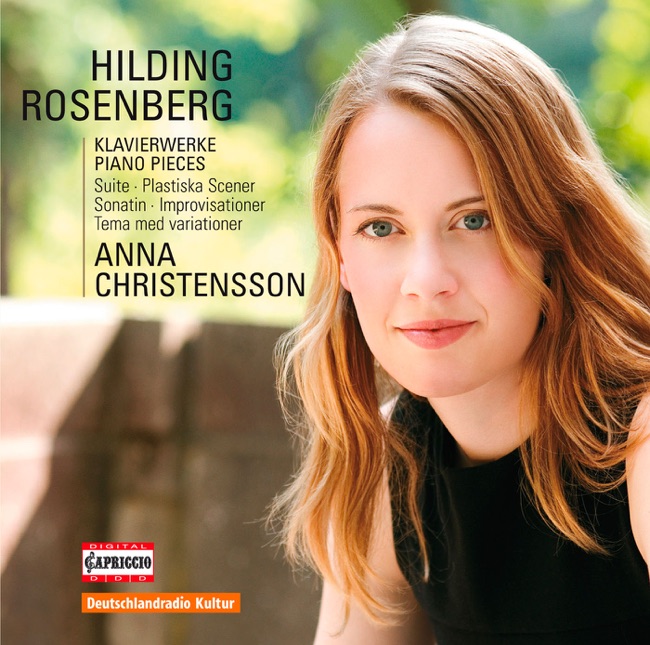 October 1, 2012
 -
-
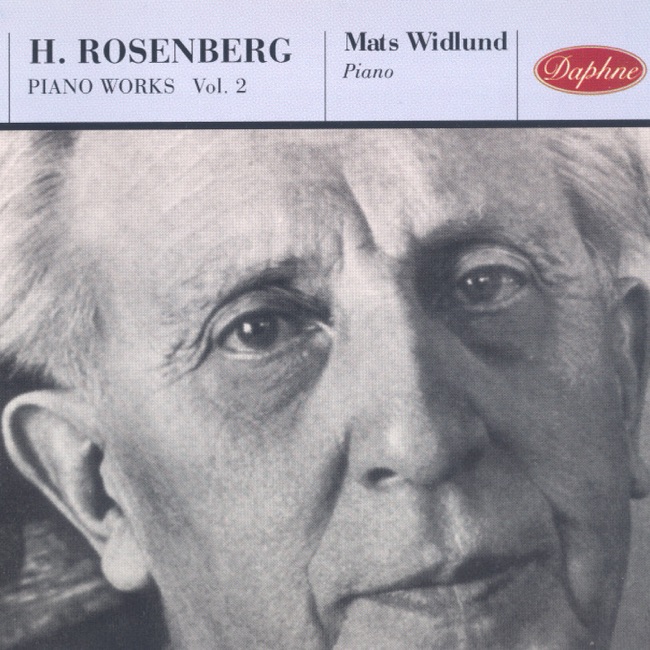 August 24, 1999
 -
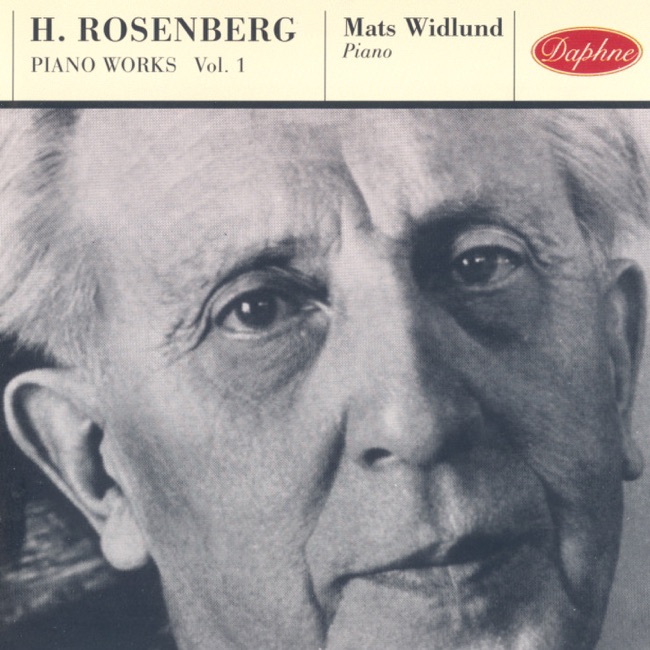 June 29, 1999
 -
 December 31, 1997
Concerto
-
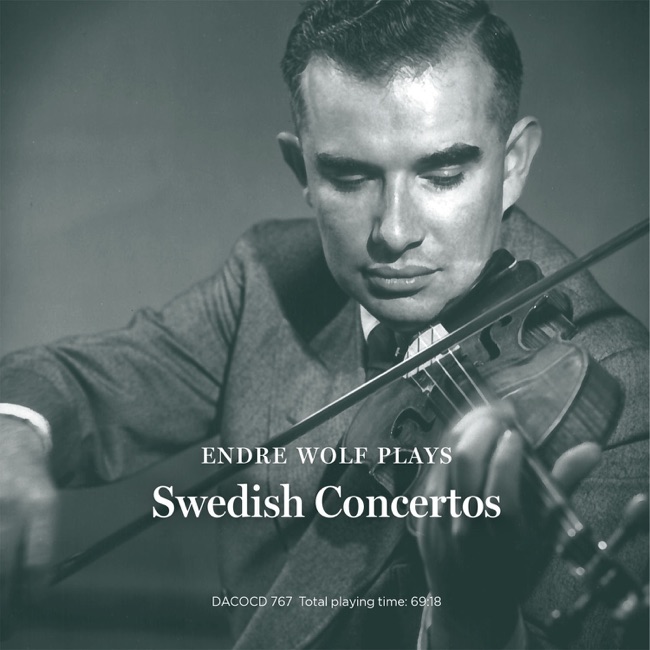 February 15, 2016
 -
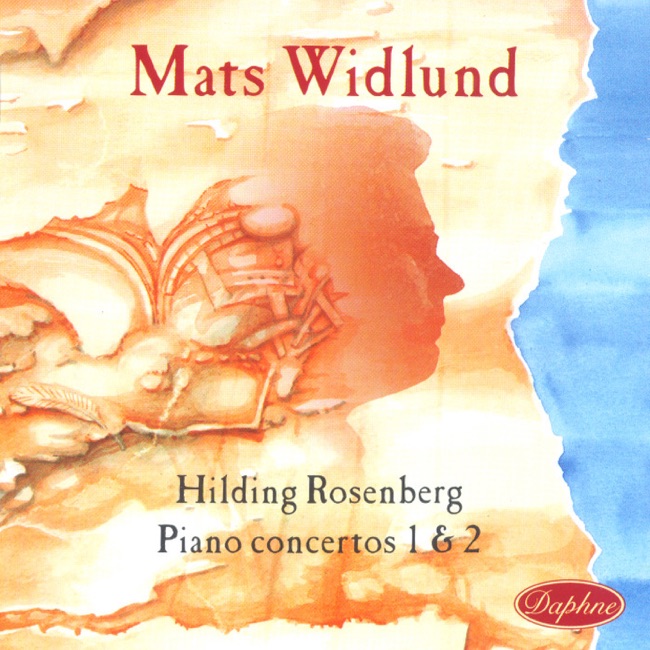 March 23, 1999
Artist Info
Role:Composer ConductorCountry: SwedenBirth:June 21, 1892 in BosjöklosterDeath:May 19, 1985 in Stockholm, SwedenPeriod:ModernGenre:ChamberConcertoKeyboardSymphonyHilding Rosenberg was a Swedish composer who was born on June 21, 1892, in Bosjökloster, Skåne, Sweden. He was the son of a wealthy landowner and grew up in a family that was interested in music. His mother was a pianist, and his father played the violin. Rosenberg showed an early interest in music and began playing the piano at a young age. He also learned to play the violin and the cello. Rosenberg studied music at the Royal College of Music in Stockholm, where he was a student of Ernst Ellberg. He also studied composition with the composer and conductor Wilhelm Stenhammar. After completing his studies, Rosenberg worked as a music teacher and conductor in various parts of Sweden. In 1920, Rosenberg was appointed as the conductor of the Malmö Symphony Orchestra. He held this position for ten years and during this time, he composed some of his most important works. In 1930, he was appointed as the conductor of the Stockholm Philharmonic Orchestra, a position he held until 1939. Rosenberg's music is characterized by its modernist style, which was influenced by the music of Arnold Schoenberg and other composers of the Second Viennese School. His early works were influenced by the Romantic tradition, but he later moved towards a more dissonant and complex style. One of Rosenberg's most important works is his Symphony No. 3, which was composed in 1929. This work is considered to be one of the most important Swedish symphonies of the 20th century. The symphony is in four movements and is characterized by its complex harmonies and use of dissonance. Another important work by Rosenberg is his Violin Concerto, which was composed in 1935. This work is considered to be one of the most important Swedish violin concertos of the 20th century. The concerto is in three movements and is characterized by its virtuosic violin writing and its use of complex harmonies. Rosenberg also composed a number of chamber music works, including a String Quartet, which was composed in 1921. This work is characterized by its use of complex harmonies and its dissonant style. Rosenberg also composed a number of piano works, including a Sonata, which was composed in 1922. In addition to his work as a composer, Rosenberg was also a respected conductor. He conducted a number of important orchestras, including the Stockholm Philharmonic Orchestra and the Malmö Symphony Orchestra. He was also a respected music educator and taught at the Royal College of Music in Stockholm. Rosenberg's music was not always well-received during his lifetime. His modernist style was often criticized by conservative critics, who felt that his music was too dissonant and complex. However, his music has since been recognized as an important contribution to the development of Swedish classical music. Hilding Rosenberg died on April 18, 1985, in Lidingö, Sweden. He is remembered as one of the most important Swedish composers of the 20th century. His music continues to be performed and recorded today, and his legacy as a composer and conductor is an important part of Swedish musical history.More....
Recent Artist Music
8
The Holy Night
Prologue
Lars-Erik Larsson: Förklädd gud (God in Disguise); Hilding Rosenberg: Den heliga natten (Holy Night)
5:58
9
9:23

12
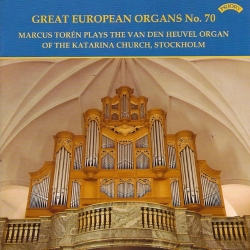
4:16
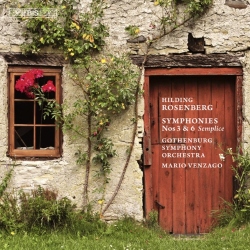
Copyright Ⓒ 2013 Davinci Finger. All rights reseved
Service Terms & Policy