


William Alwyn
Released Album
Chamber
-
 December 15, 2020
 -
 August 28, 2020
 -
 July 3, 2020
 -
-
 March 20, 2020
 -
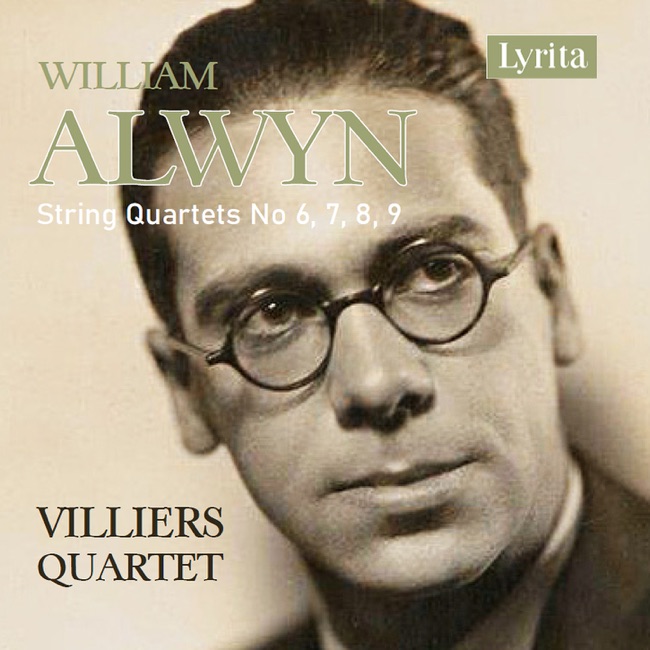 March 6, 2020
Orchestral
-
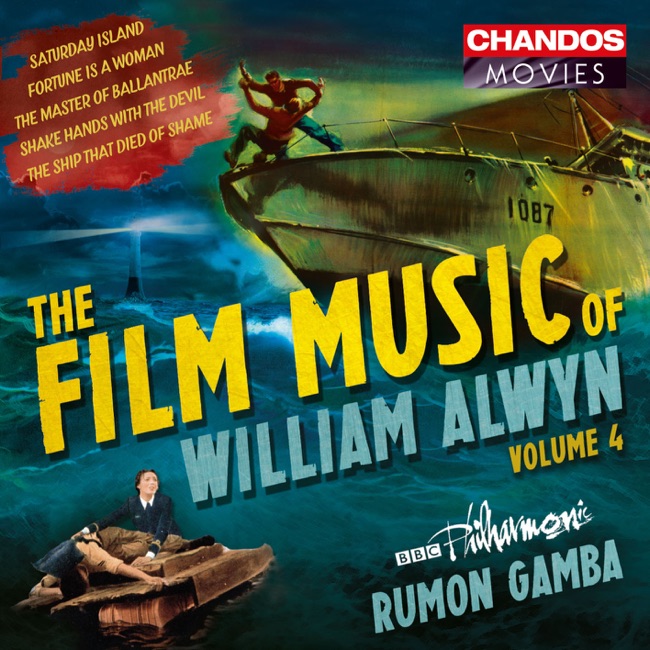 January 20, 2017
 -
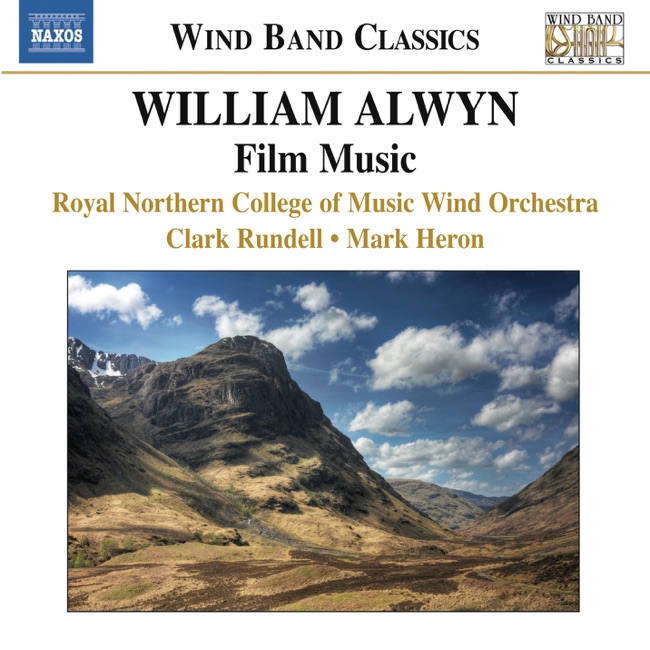 February 27, 2012
 -
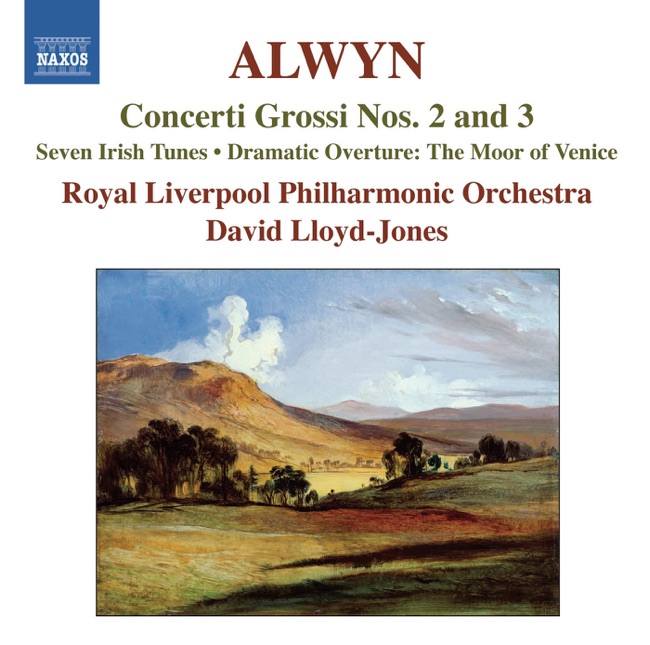 August 30, 2011
 -
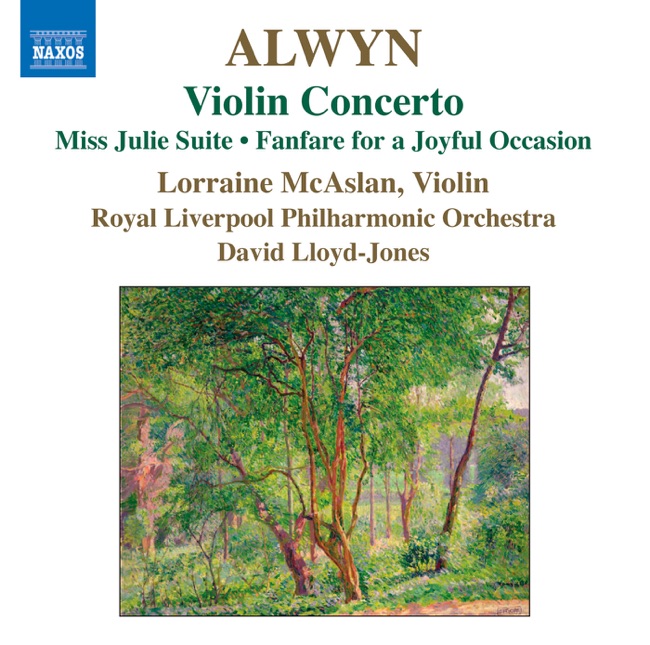 April 4, 2011
 -
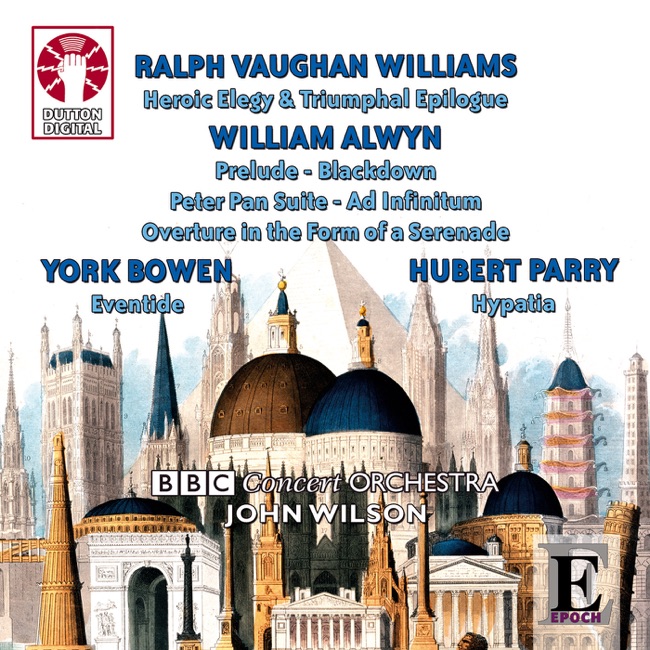 February 9, 2010
 -
 January 12, 2010
Concerto
-
 May 3, 2019
 -
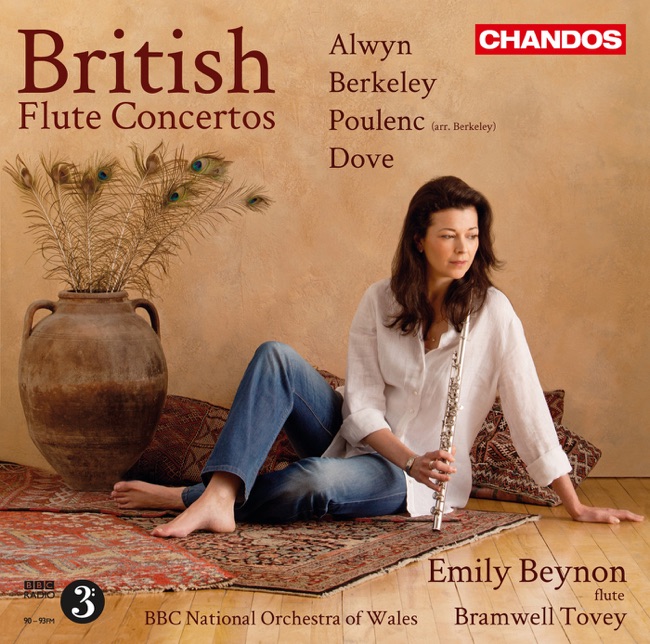 March 26, 2012
 -
 November 1, 2011
 -
 July 10, 2007
 -
-
 June 27, 2005
Symphony
-
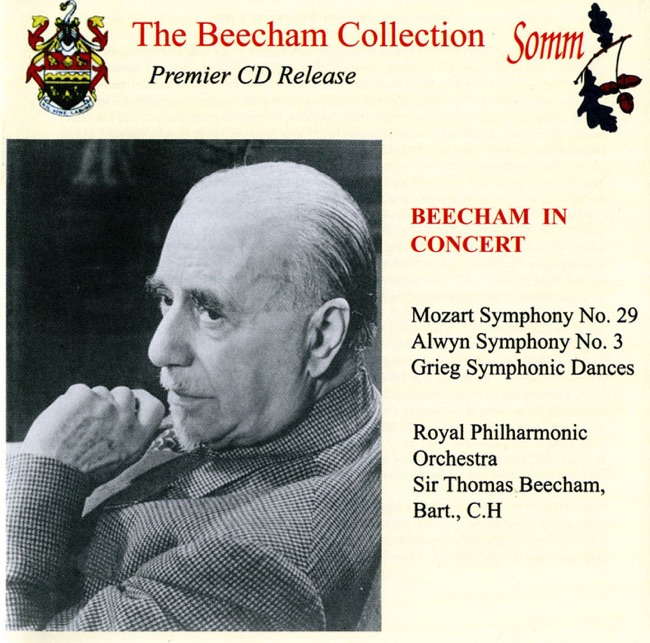 June 17, 2008
 -
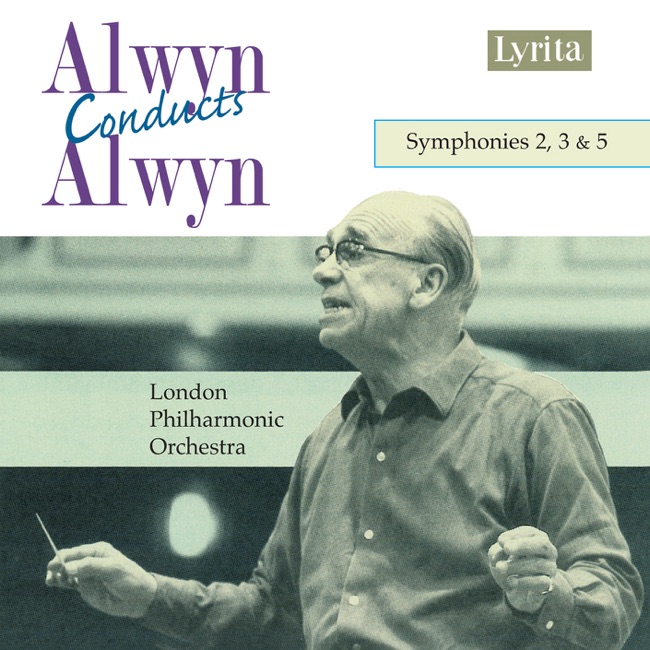 January 9, 2007
 -
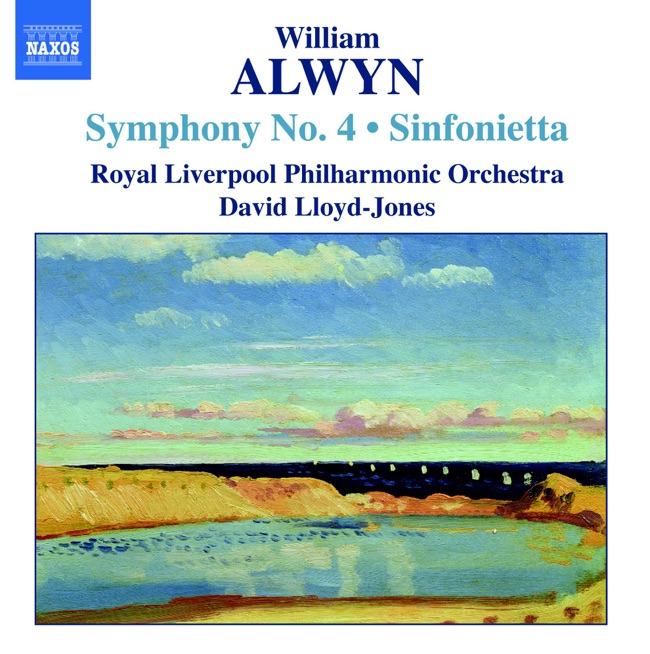 February 21, 2006
 -
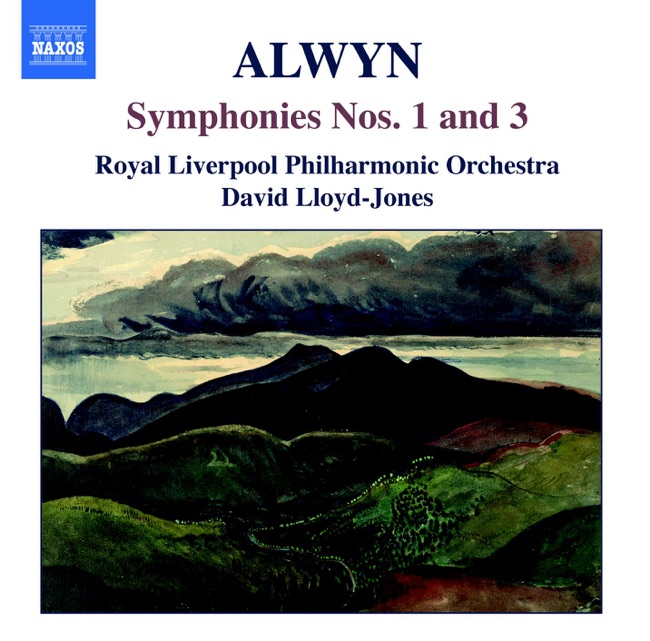 February 21, 2006
 -
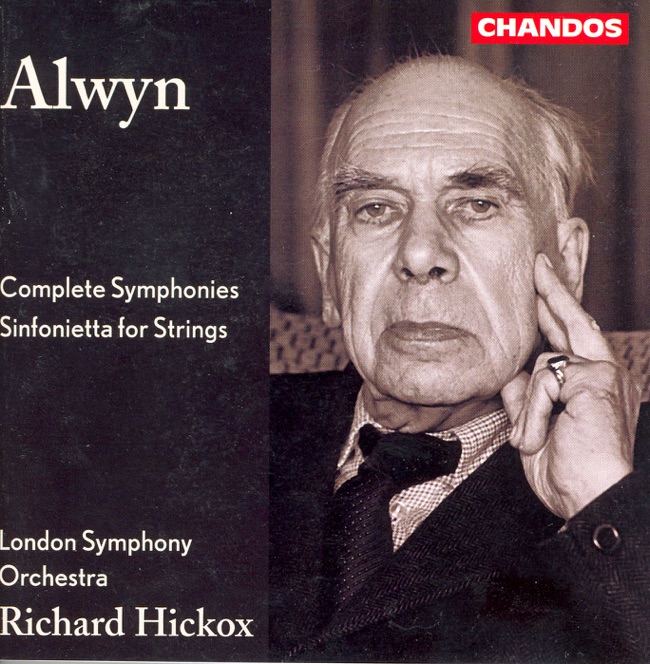 January 23, 1996
 -
 November 1, 1995
Artist Info
Role:Composer ConductorCountry: United KingdomBirth:November 7, 1905 in Northampton, EnglandDeath:September 11, 1985 in Southwold, Suffolk, EnglandPeriod:ContemporaryModernGenre:ChamberConcertoKeyboardOrchestralWilliam Alwyn was a British composer, conductor, and music teacher who was born on November 7, 1905, in Northampton, England. He was the son of a church organist and began his musical education at an early age. Alwyn showed a natural talent for music and was soon playing the piano and violin proficiently. He attended the Royal Academy of Music in London, where he studied composition with John Ireland and conducting with Malcolm Sargent. Alwyn's early compositions were influenced by the works of Debussy, Ravel, and Stravinsky. He was also interested in the music of the English Renaissance and Baroque periods, and this influence can be heard in his later works. Alwyn's first major success as a composer came in 1936 with the premiere of his Symphony No. 1, which was performed by the London Philharmonic Orchestra under the direction of Sir Thomas Beecham. The symphony was well-received and established Alwyn as a composer of note. During World War II, Alwyn served in the Royal Air Force and was stationed in India. While there, he wrote music for the RAF Central Band and also composed his first film score for the documentary film, "Western Approaches." After the war, Alwyn continued to compose for film and television, and his music was featured in many popular British films of the 1940s and 1950s, including "Odd Man Out," "The Fallen Idol," and "The Winslow Boy." In addition to his work in film and television, Alwyn was also a prolific composer of concert music. He wrote five symphonies, several concertos, and numerous chamber works, choral pieces, and songs. Alwyn's music is characterized by its lyricism, rich harmonies, and colorful orchestration. He was also known for his use of modal and pentatonic scales, which gave his music a distinctive sound. One of Alwyn's most famous works is his Symphony No. 5, which was commissioned by the Royal Philharmonic Society and premiered in 1961. The symphony is a tribute to the English landscape and is divided into four movements, each of which depicts a different aspect of the countryside. The first movement, "The Innumerable Dance of the Stars," is a lively and rhythmic depiction of the night sky. The second movement, "The Magic Island," is a serene and pastoral depiction of a peaceful island. The third movement, "The Hills," is a majestic and sweeping depiction of the rolling hills of the English countryside. The final movement, "The Moors," is a haunting and atmospheric depiction of the moors, with its misty and desolate landscape. Alwyn's other notable works include his Concerto for Oboe and Strings, which was written for the oboist Leon Goossens and premiered in 1943. The concerto is a lyrical and expressive work that showcases the beauty and versatility of the oboe. Alwyn's String Quartet No. 1, which was written in 1953, is a complex and intricate work that explores the possibilities of the string quartet form. The quartet is characterized by its use of unusual harmonies and rhythms, as well as its intricate counterpoint. In addition to his work as a composer, Alwyn was also a respected conductor and music teacher. He conducted many of his own works and also conducted the London Symphony Orchestra, the Royal Philharmonic Orchestra, and the BBC Symphony Orchestra. Alwyn was also a professor of composition at the Royal Academy of Music, where he taught many notable composers, including Richard Rodney Bennett and John Tavener.More....
Recent Artist Music


Recommend Playlist



Related Artists
Copyright Ⓒ 2013 Davinci Finger. All rights reseved
Service Terms & Policy