William Alwyn
Sonata for clarinet & piano
Released Album
Recent Album


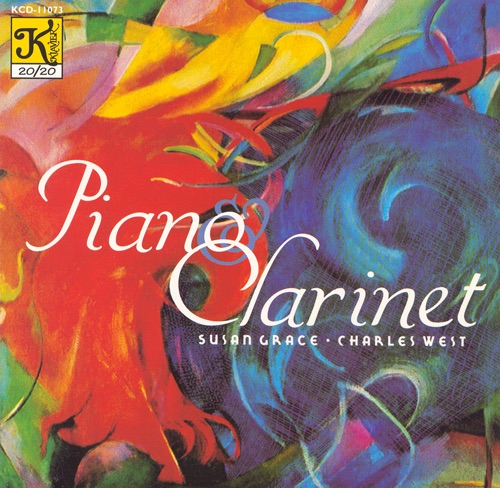
Works Info
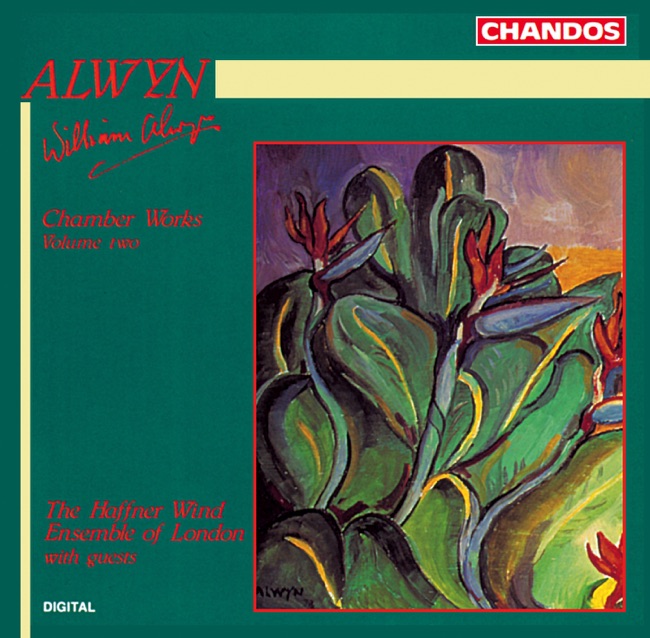
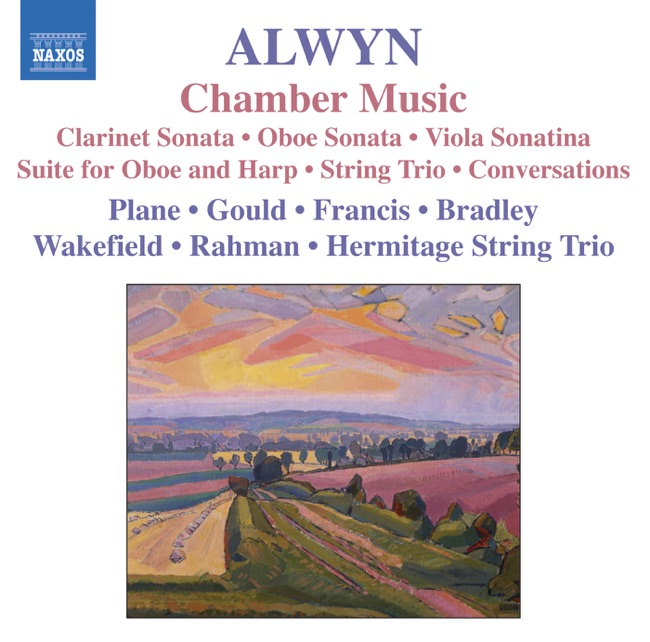
Composer:William AlwynGenre:ChamberStyle:SonataCompose Date:1962Average_duration:11:17The 'Sonata for clarinet & piano' is a chamber music composition by the British composer William Alwyn. It was composed in 1949 and premiered on 22nd November of the same year at the Wigmore Hall in London. The piece is divided into three movements, each with its own distinct character and mood. The first movement, marked Allegro, is a lively and energetic piece that showcases the technical abilities of both the clarinet and piano. The clarinet introduces the main theme, which is then developed and expanded upon by the piano. The movement features intricate interplay between the two instruments, with the clarinet often taking on a more virtuosic role. The second movement, marked Andante, is a slower and more contemplative piece. The clarinet takes on a more lyrical role, with long, flowing melodies that are accompanied by the piano. The movement is characterized by its expressive and emotive qualities, with both instruments working together to create a sense of introspection and reflection. The final movement, marked Allegro vivace, is a fast and lively piece that brings the sonata to a thrilling conclusion. The movement features a playful and upbeat theme that is passed back and forth between the clarinet and piano. The movement is characterized by its rhythmic drive and technical demands, with both instruments working together to create a sense of excitement and energy. Overall, the 'Sonata for clarinet & piano' is a masterful example of chamber music composition. It showcases Alwyn's skill as a composer, as well as his understanding of the technical abilities of both the clarinet and piano. The piece is characterized by its expressive qualities, intricate interplay between the two instruments, and its ability to evoke a range of emotions and moods.More....
Works Music
Released Music