


Karol Szymanowski
Released Album
Chamber
-

-
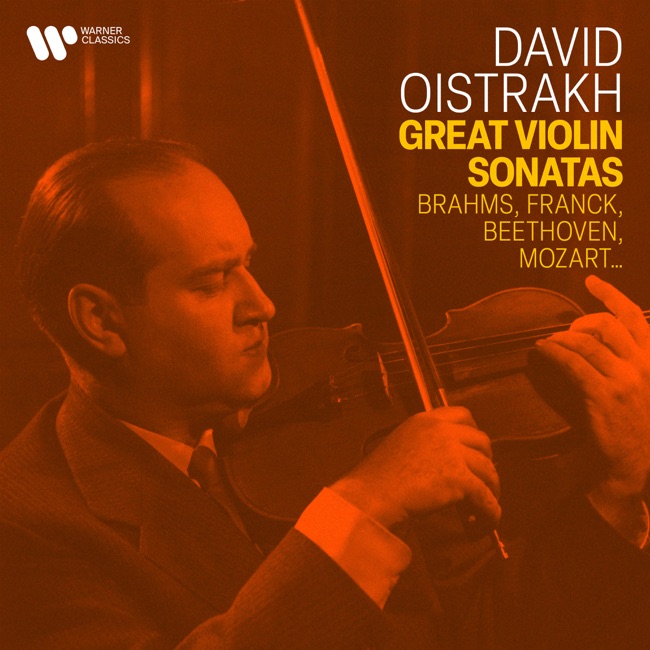 August 9, 2024
 -
 January 6, 2024
 -
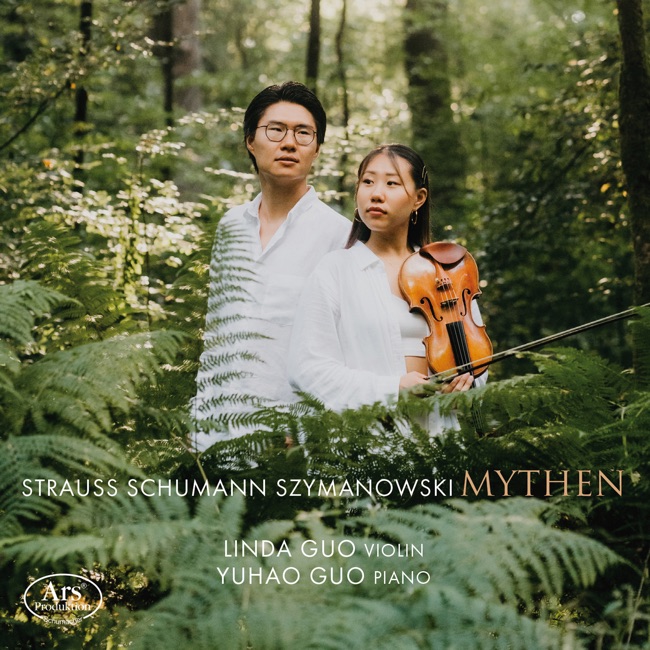 November 17, 2023
 -
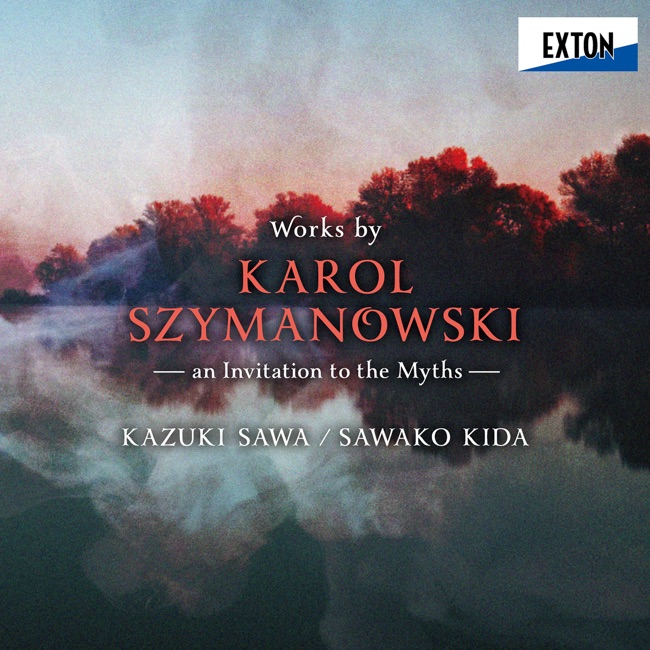 June 21, 2023
 -
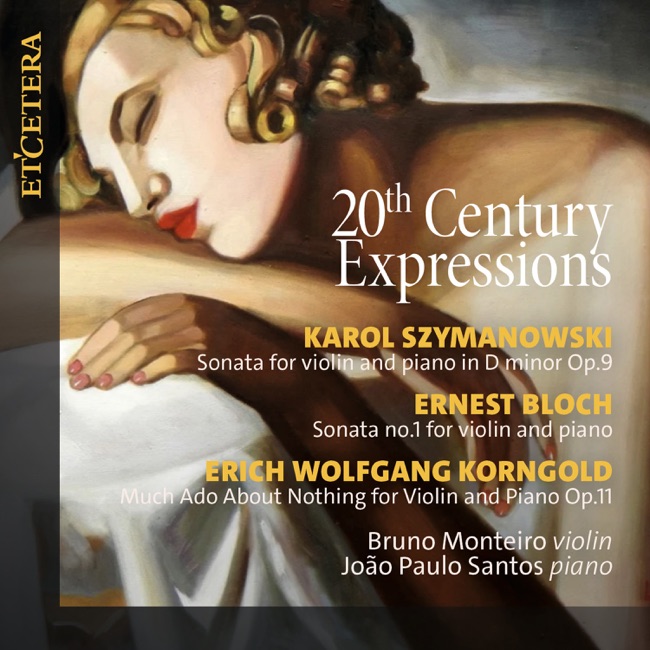 June 16, 2023
Keyboard
-
 September 27, 2024
 -
 September 20, 2024
 -
 September 13, 2024
 -
 September 6, 2024
 -
 July 19, 2024
 -
 April 26, 2024
Concerto
-
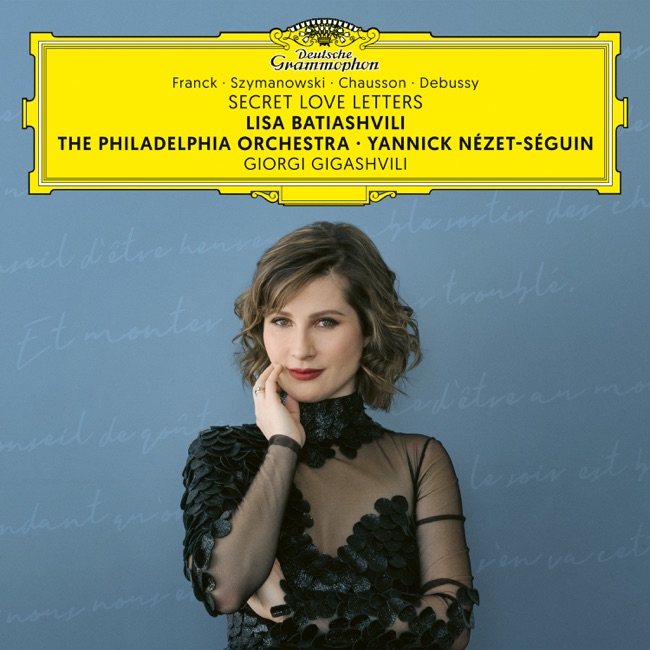 August 19, 2022
 -
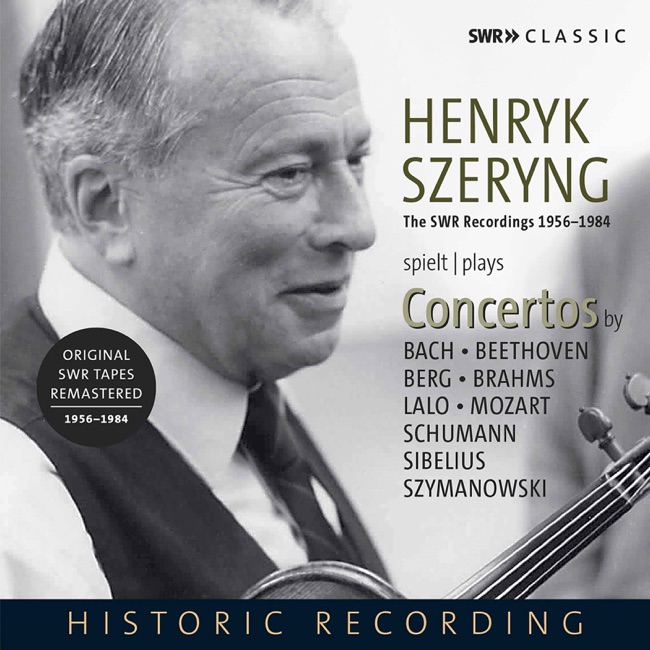 October 9, 2020
 -
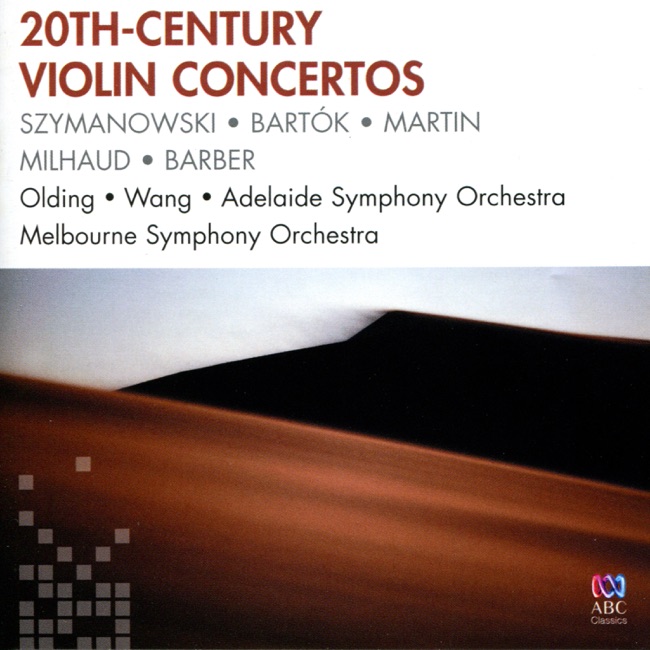
-
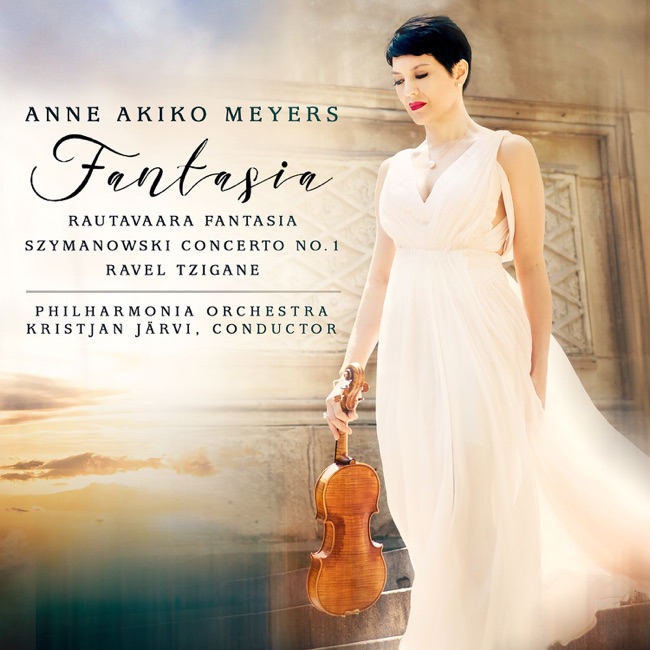 October 13, 2017
 -
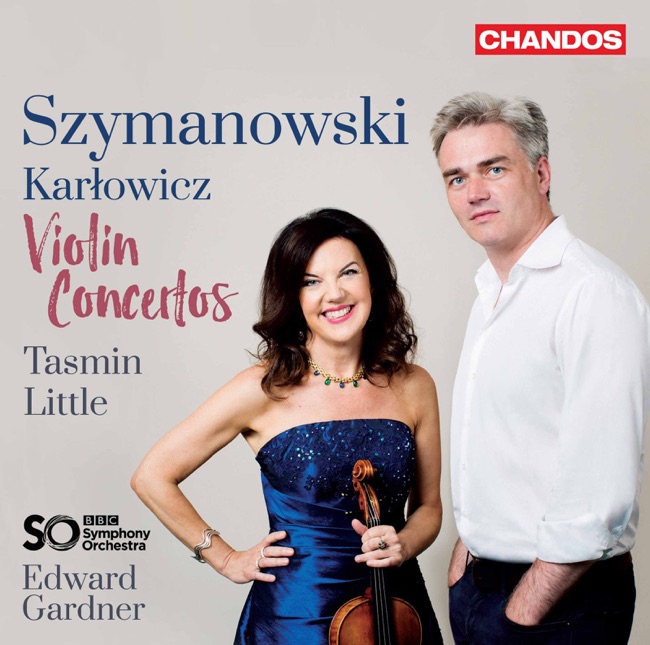 September 15, 2017
 -
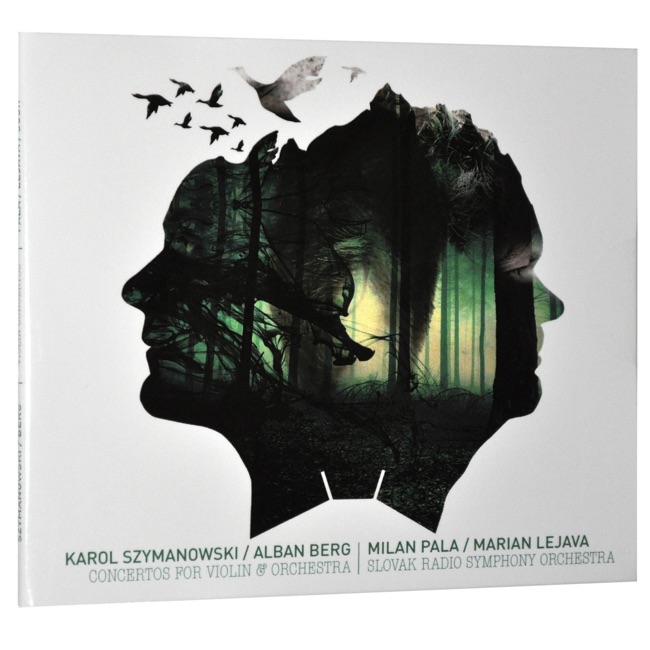 September 23, 2016
Vocal
-
 October 27, 2023
 -
 May 23, 2023
 -
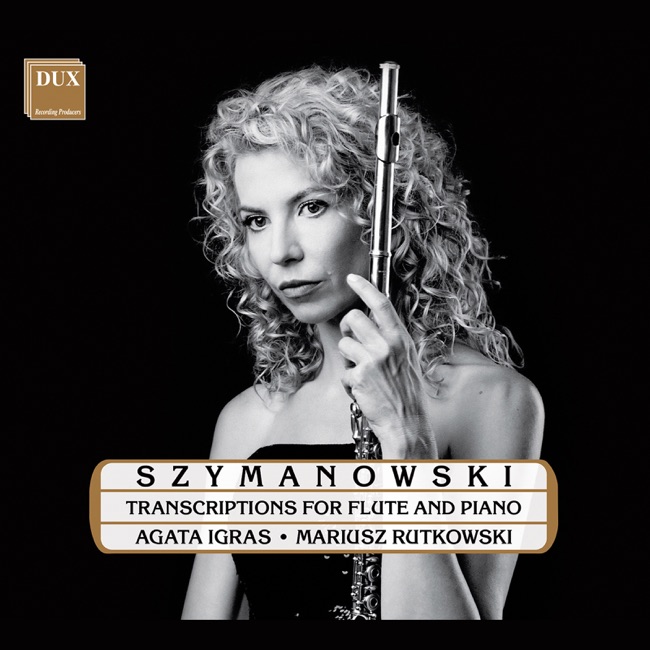 November 4, 2022
 -
 August 12, 2022
 -
 May 27, 2022
 -
 June 4, 2021
Artist Info
Role:ComposerCountry: PolandBirth:October 3, 1882 in Timoshovka, UkraineDeath:March 28, 1937 in Lausanne, SwitzerlandPeriod:ContemporaryModernGenre:ChamberKeyboardKarol Szymanowski was a Polish composer and pianist who is considered one of the most important figures in 20th-century classical music. He was born on October 6, 1882, in Tymoszówka, Ukraine, which was then part of the Russian Empire. His family was wealthy and well-educated, and his father was a successful landowner and amateur musician who encouraged his children's musical interests. Szymanowski began piano lessons at the age of six and showed early promise as a composer. He studied music in Warsaw and Berlin, and later in Paris, where he was exposed to the latest trends in modernism and impressionism. He was particularly influenced by the music of Debussy and Ravel, and his early works show the influence of these composers. Szymanowski's early compositions were mostly piano pieces and songs, but he soon began to write orchestral works and chamber music. His breakthrough came in 1910 with the premiere of his Symphony No. 1, which was well-received by audiences and critics alike. The symphony shows the influence of Wagner and Strauss, but also has a distinctive Polish character, with folk melodies and rhythms woven into the music. In the years that followed, Szymanowski continued to develop his style, incorporating elements of Polish folk music, as well as Arabic and Persian music, which he encountered during his travels in the Middle East. His music became more complex and abstract, with a greater emphasis on harmony and color. One of Szymanowski's most famous works is his Stabat Mater, a choral work based on the medieval hymn of the same name. The piece was composed in 1925 and is considered one of the greatest choral works of the 20th century. It is notable for its use of unconventional harmonies and rhythms, as well as its emotional intensity. Szymanowski's other major works include his opera King Roger, which premiered in 1926 and is based on the play by the same name by the Polish writer Karol Irzykowski. The opera is notable for its exoticism and its use of folk melodies and rhythms, as well as its exploration of themes of identity and self-discovery. Szymanowski also wrote a number of chamber works, including his String Quartet No. 1, which was composed in 1917 and is considered one of the greatest works in the genre. The quartet is notable for its use of unconventional harmonies and its exploration of the possibilities of the string quartet as a medium. In addition to his work as a composer, Szymanowski was also a respected pianist and teacher. He taught at the Warsaw Conservatory and was a mentor to a number of younger composers, including Witold Lutosławski and Andrzej Panufnik. Szymanowski's later years were marked by illness and financial difficulties, but he continued to compose until his death in 1937. His music has since become increasingly popular and is now considered an important part of the classical repertoire. His influence can be heard in the work of many contemporary composers, particularly those from Poland and Eastern Europe.More....
Recent Artist Music

3

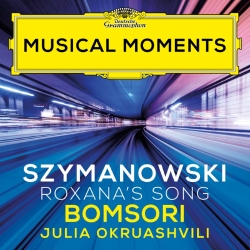
Roxana's Song, for violin & piano
Roxana's Song, for violin & piano (from opera "King Roger")
4:42





Works Highlight
Recommend Playlist





















Related Artists
Copyright Ⓒ 2013 Davinci Finger. All rights reseved
Service Terms & Policy