


Zygmunt Noskowski
Released Album
Chamber
Orchestral
-
 May 24, 2011
Vocal
-
 April 6, 2018
 -
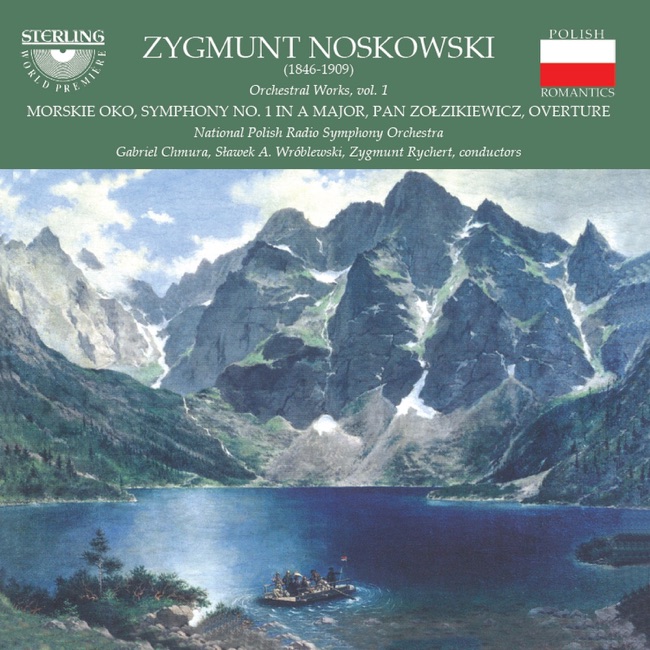
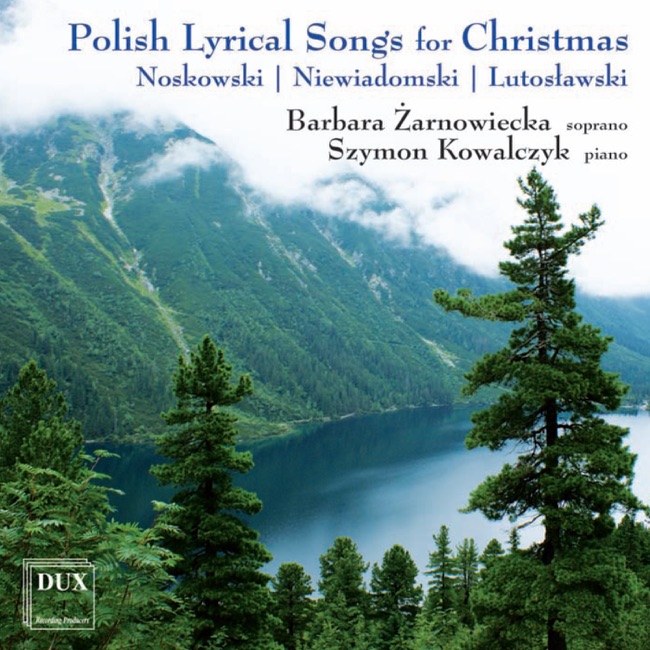 November 11, 2014
Symphony
Artist Info
Role:ComposerCountry: PolandBirth:May 2, 1846Death:July 23, 1909Period:RomanticGenre:ChamberOrchestralZygmunt Noskowski was a Polish composer, conductor, and teacher who lived from 1846 to 1909. He was born in Warsaw, Poland, and showed an early interest in music. His father was a violinist and his mother was a pianist, so he grew up in a musical household. He began studying music at a young age and showed great talent as a composer. Noskowski studied at the Warsaw Conservatory, where he was a student of Stanisław Moniuszko, a famous Polish composer. He also studied with Friedrich Kiel, a German composer who was living in Warsaw at the time. Noskowski was a gifted student and quickly became known for his compositions. After completing his studies, Noskowski began working as a conductor and composer. He conducted the Warsaw Philharmonic Orchestra and the Warsaw Opera, and he also taught at the Warsaw Conservatory. He was a respected figure in the Polish music scene and was known for his innovative compositions. Noskowski's music was influenced by the Romantic era, but he also incorporated elements of Polish folk music into his compositions. He was particularly interested in the rhythms and melodies of Polish folk music, and he often used these elements in his works. He was also interested in the music of other cultures, and he incorporated elements of Russian and Hungarian music into his compositions. One of Noskowski's most famous works is his Symphony No. 2 in E-flat major, Op. 15. This symphony was composed in 1886 and is considered one of the greatest works of Polish symphonic music. The symphony is in four movements and is known for its rich harmonies and complex rhythms. It is a powerful work that showcases Noskowski's talent as a composer. Another notable work by Noskowski is his ballet The Steppes, Op. 66. This ballet was composed in 1904 and is based on a story by Ivan Turgenev. The ballet is known for its beautiful melodies and intricate dance rhythms. It is a popular work in the ballet repertoire and is often performed by ballet companies around the world. Noskowski also composed a number of chamber works, including string quartets, piano trios, and sonatas. His chamber music is known for its lyrical melodies and intricate harmonies. He was a master of counterpoint and often used complex polyphonic textures in his compositions. In addition to his work as a composer, Noskowski was also a respected conductor. He conducted many of his own works as well as works by other composers. He was known for his attention to detail and his ability to bring out the best in his musicians. Noskowski was also a dedicated teacher. He taught at the Warsaw Conservatory for many years and was known for his rigorous teaching style. He was a demanding teacher, but his students respected him and many went on to have successful careers in music. Despite his many accomplishments, Noskowski's music fell out of favor after his death. It was not until the 1960s that his music began to be rediscovered and appreciated. Today, he is recognized as one of the greatest Polish composers of the late 19th and early 20th centuries. In conclusion, Zygmunt Noskowski was a talented composer, conductor, and teacher who made significant contributions to the Polish music scene. His music was innovative and incorporated elements of Polish folk music as well as music from other cultures. His Symphony No. 2 and ballet The Steppes are among his most famous works, and his chamber music is known for its lyrical melodies and intricate harmonies.More....
Recent Artist Music

Copyright Ⓒ 2013 Davinci Finger. All rights reseved
Service Terms & Policy