


Alfred Jerger
Released Album
Opera
-
 June 27, 2024
 -
 February 1, 2015
 -
 September 1, 2014
 -
 October 22, 2012
 -
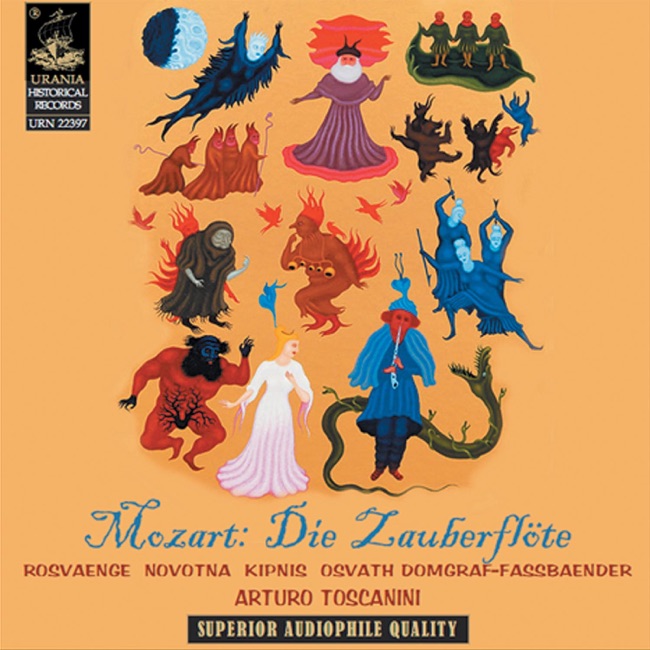 December 8, 2009
 -
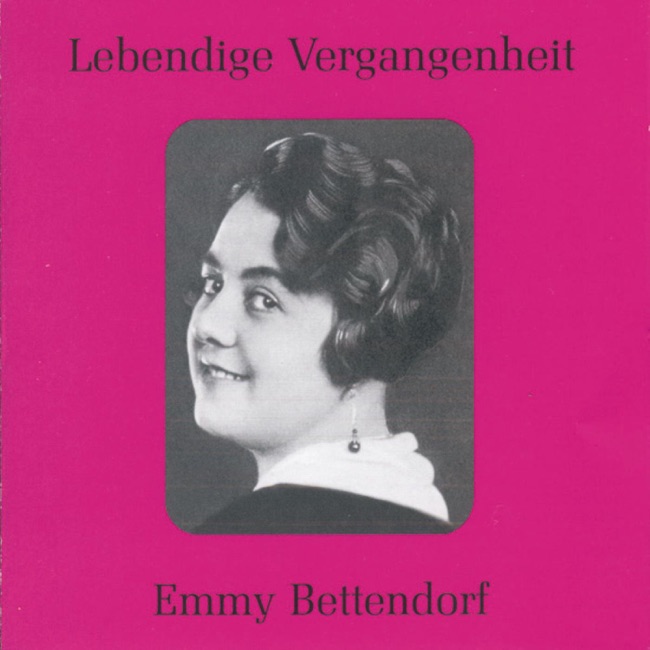 July 17, 2007
Artist Info
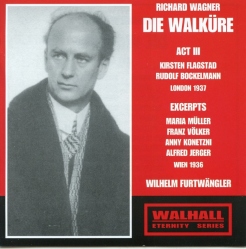
Period:ClassicalRomanticGenre:OperaAlfred Jerger was a renowned Austrian bass-baritone who made a significant contribution to the world of classical music. Born on February 16, 1895, in Vienna, Austria, Jerger was the son of a civil servant. He showed an early interest in music and began his vocal training at the Vienna Conservatory at the age of 18. Jerger's vocal talent was quickly recognized, and he made his debut at the Vienna State Opera in 1919 as the Herald in Wagner's Lohengrin. He quickly established himself as one of the leading bass-baritones of his time, and his powerful voice and commanding stage presence made him a favorite among audiences and critics alike. Throughout his career, Jerger performed in some of the most prestigious opera houses in the world, including the Metropolitan Opera in New York, the Royal Opera House in London, and La Scala in Milan. He was particularly renowned for his performances in Wagnerian roles, including Wotan in Die Walküre, Hagen in Götterdämmerung, and the title role in The Flying Dutchman. Jerger's performances were marked by his exceptional vocal range, which allowed him to effortlessly transition between the deep, resonant tones of a bass and the higher, more lyrical notes of a baritone. He was also known for his ability to convey a wide range of emotions through his singing, from the tender and romantic to the powerful and dramatic. One of Jerger's most memorable performances was his portrayal of the title role in Mozart's Don Giovanni at the Salzburg Festival in 1936. His interpretation of the character was praised for its depth and complexity, and his performance was widely regarded as one of the greatest in the history of the festival. In addition to his work on the opera stage, Jerger was also a prolific concert performer. He gave numerous recitals throughout his career, and his performances of lieder and other vocal works were highly acclaimed. He was particularly noted for his interpretations of the works of Schubert, Schumann, and Brahms. Jerger's talent and dedication to his craft were recognized with numerous awards and honors throughout his career. In 1937, he was awarded the title of Kammersänger by the Austrian government, in recognition of his contributions to the country's cultural heritage. He was also awarded the Grand Decoration of Honor for Services to the Republic of Austria in 1955. Despite his many accomplishments, Jerger's career was not without its challenges. He lived and worked during a tumultuous period in European history, and his career was interrupted by the outbreak of World War II. He was briefly imprisoned by the Nazis in 1944, but was released after a few months and resumed his career after the war. Jerger continued to perform well into his seventies, and his final performance was in 1966, at the age of 71. He died on January 6, 1974, in Vienna, Austria, at the age of 78. Alfred Jerger's legacy as one of the greatest bass-baritones of the 20th century is secure. His powerful voice, exceptional range, and dramatic interpretations of some of the most challenging roles in the operatic repertoire continue to inspire and captivate audiences today.More....
Recent Artist Music


Related Artists
Copyright Ⓒ 2013 Davinci Finger. All rights reseved
Service Terms & Policy