


Louis Vierne
Released Album
Keyboard
-
 March 1, 2024
 -
-
 December 22, 2023
 -
 December 15, 2023
 -
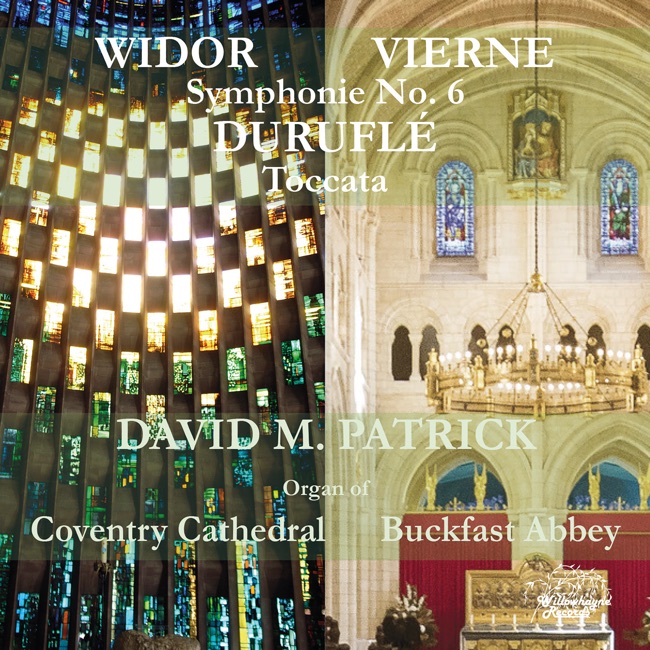 August 11, 2023
 -
 March 31, 2023
Chamber
-
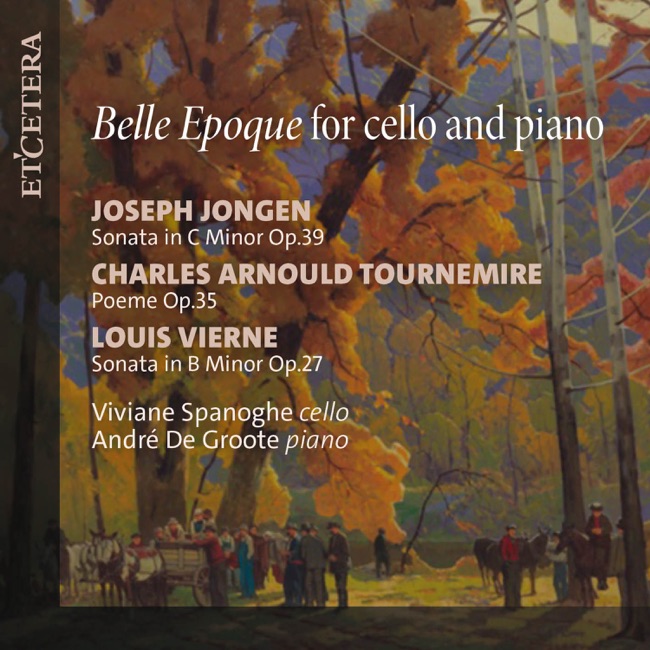 March 1, 2024
 -
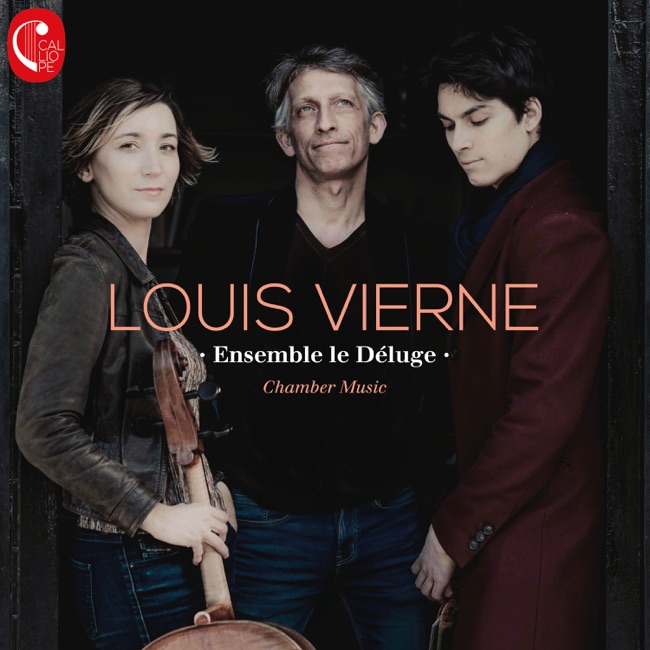 March 31, 2023
 -
-
 November 4, 2022
 -
-
Choral
-
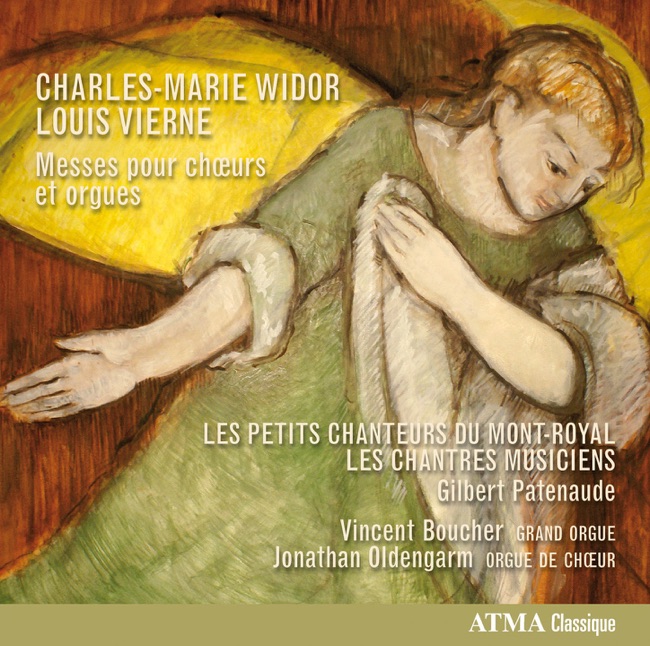 October 9, 2015
 -
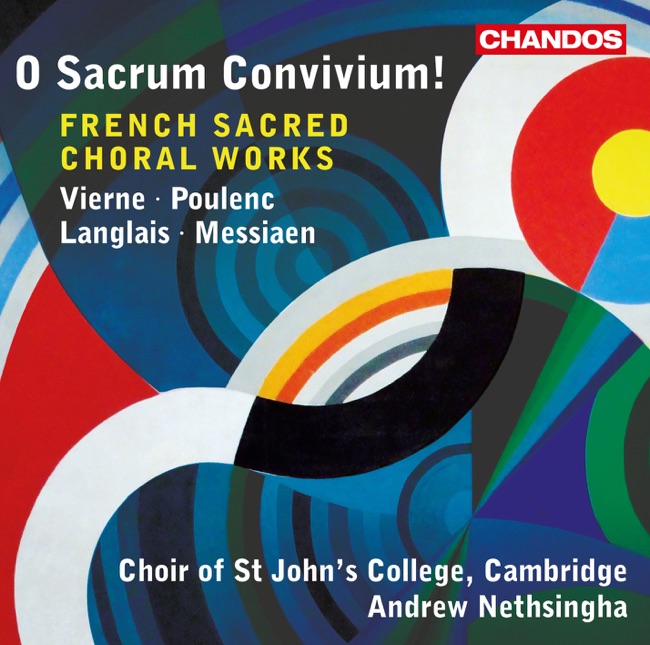 February 24, 2015
 -
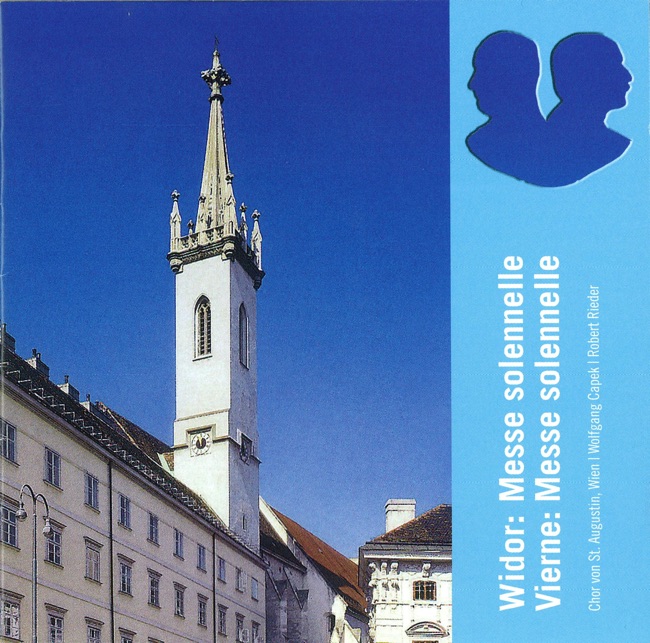 December 5, 2013
 -
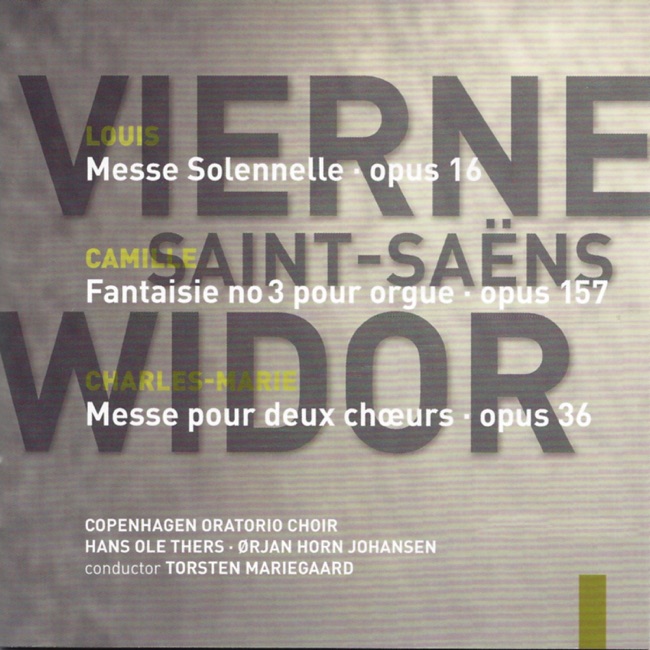 October 16, 2013
 -
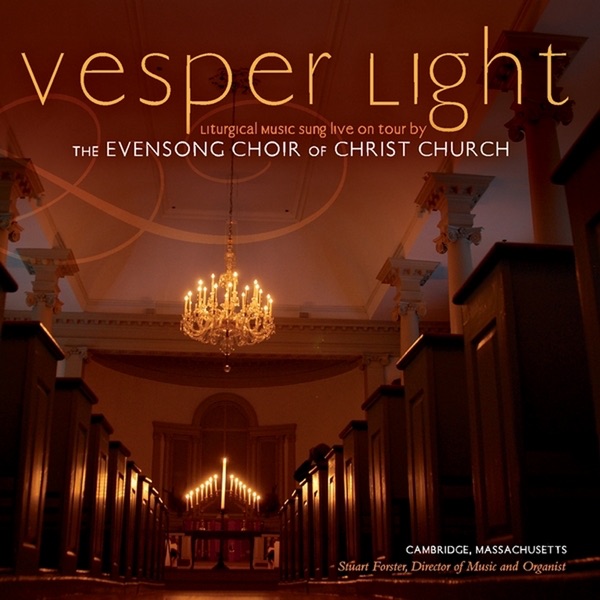 October 18, 2010
 -
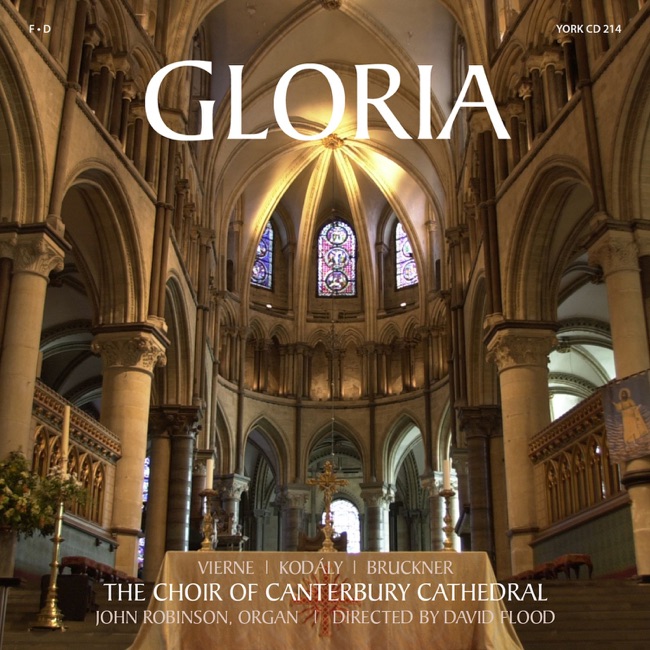 September 1, 2010
Vocal
-
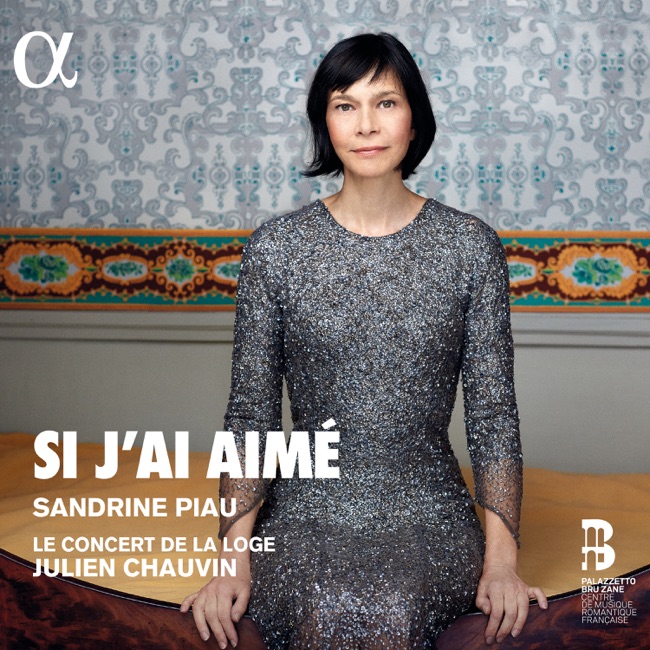 May 24, 2019
 -
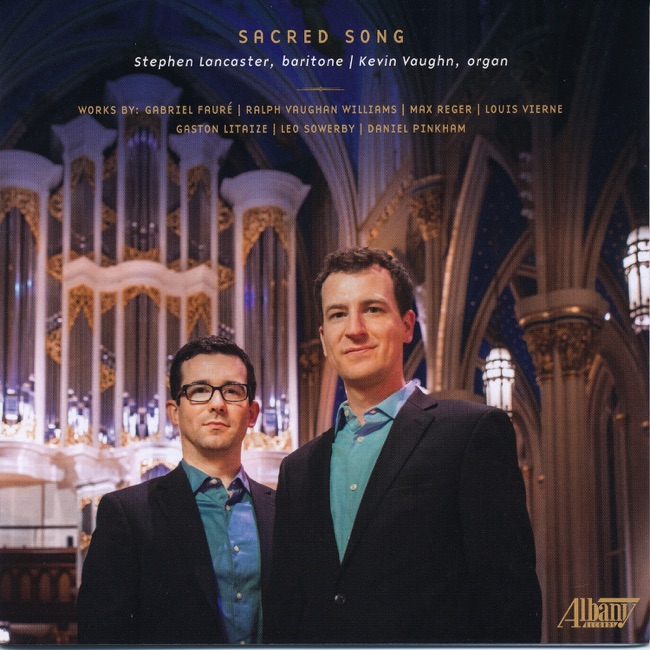 June 18, 2018
 -
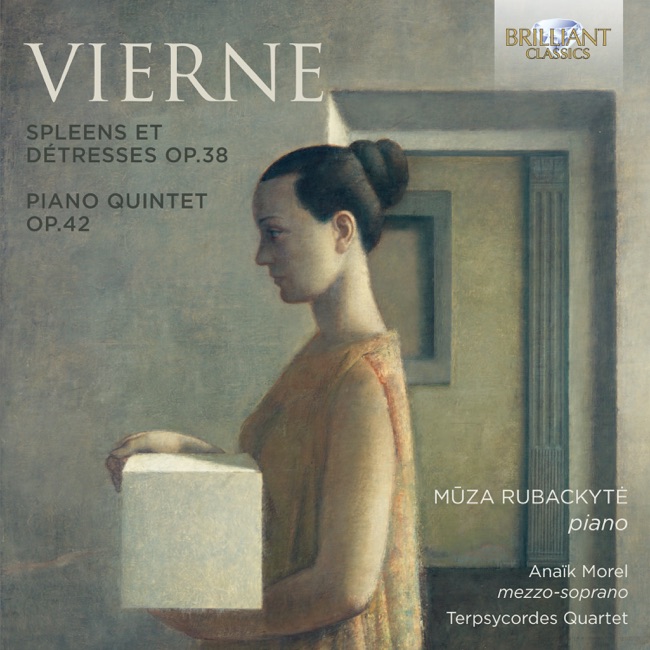
-
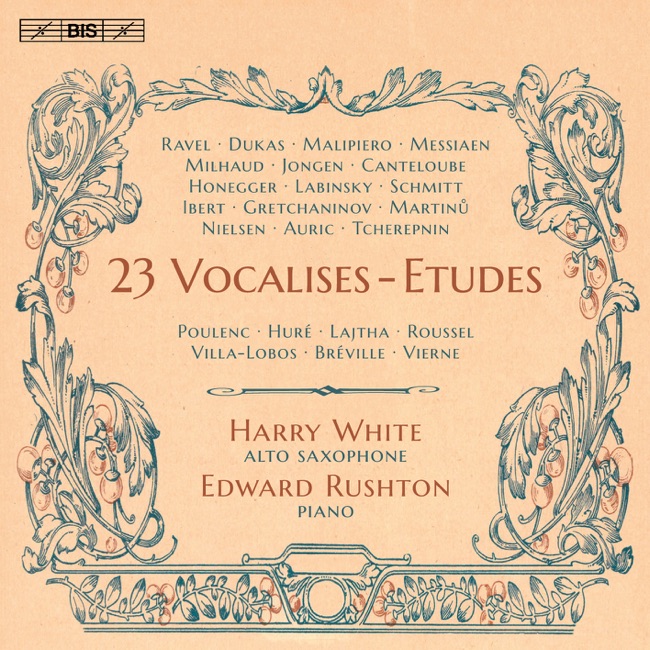 June 10, 2016
 -
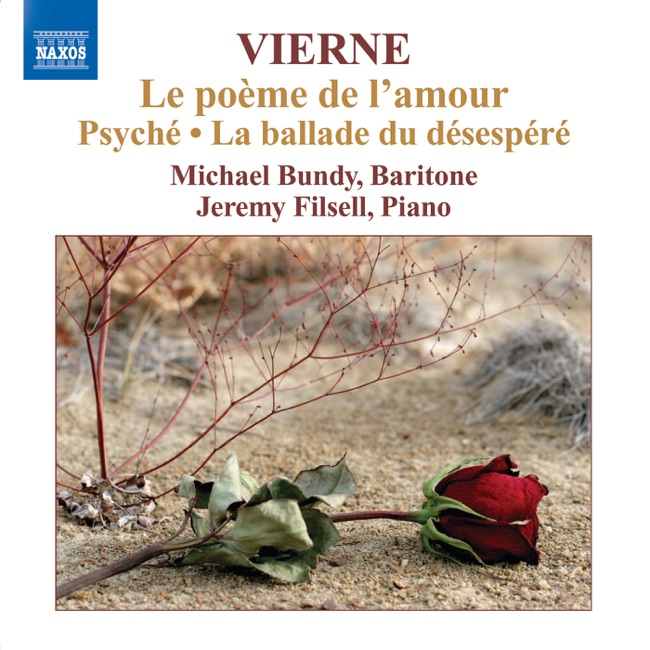 September 28, 2010
 -
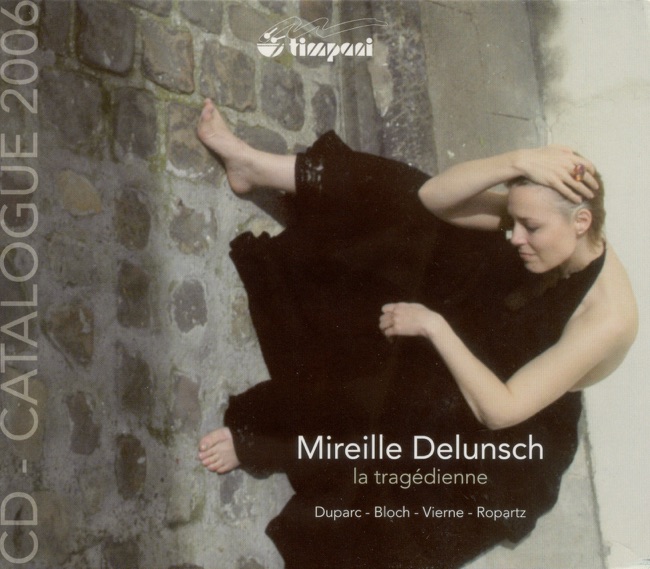 January 29, 2010
Artist Info
Role:ComposerCountry: FranceBirth:October 8, 1870 in Poitiers, FranceDeath:June 2, 1937 in Paris, FrancePeriod:RomanticContemporaryGenre:KeyboardLouis Vierne was a French composer and organist who lived from 1870 to 1937. He was born in Poitiers, France, and showed an early interest in music. His parents recognized his talent and encouraged him to pursue a career in music. Vierne began studying the piano at a young age and later switched to the organ, which became his primary instrument. Vierne's musical education began at the Paris Conservatory, where he studied under some of the most prominent musicians of his time. He studied composition with César Franck and Charles-Marie Widor, and organ with Alexandre Guilmant. Vierne was a gifted student and quickly gained a reputation as a talented organist and composer. After completing his studies at the Paris Conservatory, Vierne became the assistant organist at Notre-Dame Cathedral in Paris. He later became the principal organist, a position he held for 37 years until his death. Vierne's tenure at Notre-Dame was marked by numerous accomplishments, including the completion of a series of organ recitals that featured the complete works of Johann Sebastian Bach. Vierne's compositions are primarily for the organ, although he also wrote chamber music, choral music, and orchestral works. His music is characterized by its rich harmonies, complex rhythms, and virtuosic organ writing. Vierne's music is often compared to that of his teacher, César Franck, and his contemporary, Maurice Duruflé. One of Vierne's most famous works is his Symphony No. 1 for Organ, which he composed in 1899. The symphony is a four-movement work that showcases the full range of the organ's capabilities. The first movement is a powerful and dramatic introduction, while the second movement is a lyrical and expressive adagio. The third movement is a scherzo that features intricate rhythms and playful melodies, and the final movement is a grand and triumphant finale. Another notable work by Vierne is his Messe Solennelle, which he composed in 1901. The mass is a setting of the Catholic liturgy and is scored for choir, organ, and orchestra. The work is characterized by its lush harmonies and soaring melodies, and it has become a staple of the choral repertoire. Vierne's music was not without controversy, however. Some critics accused him of being too conservative and not innovative enough. Others criticized his use of chromaticism and dissonance, which they felt was excessive and distracting. Despite these criticisms, Vierne's music remains popular and is still performed regularly in concert halls and churches around the world. In addition to his work as a composer, Vierne was also a renowned organist. He was known for his virtuosic playing and his ability to improvise on the organ. Vierne's improvisations were often compared to those of his predecessor at Notre-Dame, Charles-Marie Widor, and his contemporary, Marcel Dupré. Vierne's life was not without tragedy, however. He suffered from poor health throughout his life, and he was nearly blind by the time he reached his 50s. In 1937, while playing the organ at Notre-Dame, Vierne suffered a heart attack and died at the age of 67. Despite his untimely death, Vierne's legacy lives on through his music and his influence on the organ repertoire. His compositions continue to be performed and recorded by organists around the world, and his contributions to the development of the organ as a solo instrument are still recognized today.More....
Recent Artist Music
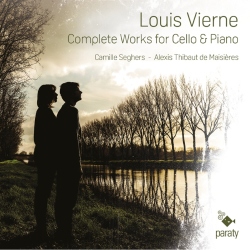
10
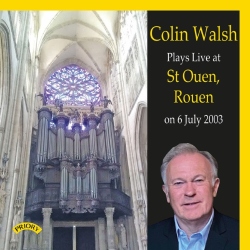
6:56
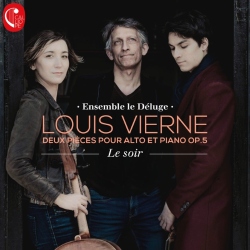
14
5:53
15

5:53
Works Highlight
Recommend Playlist








Related Artists
Copyright Ⓒ 2013 Davinci Finger. All rights reseved
Service Terms & Policy