


Gaston Litaize
Released Album
Keyboard
-
 August 5, 2022
 -
 May 6, 2022
 -
 June 10, 2021
 -
 October 2, 2020
 -
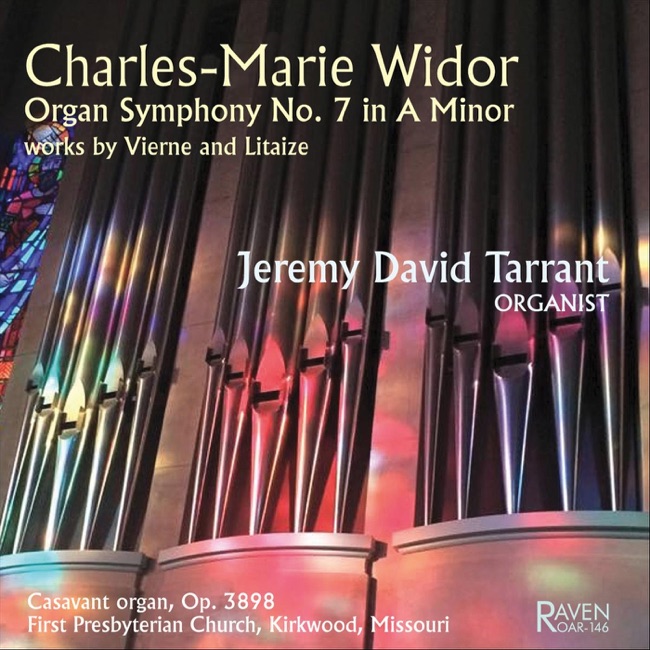 April 10, 2018
 -
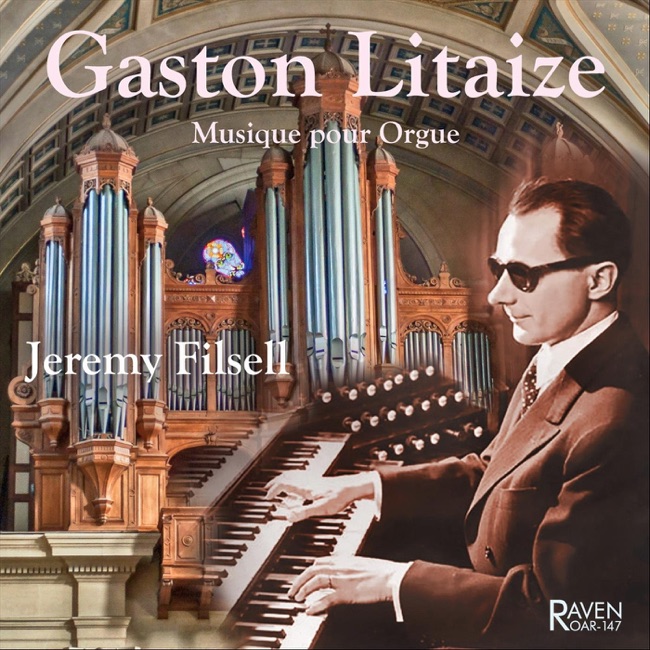 February 16, 2018
Symphony
-
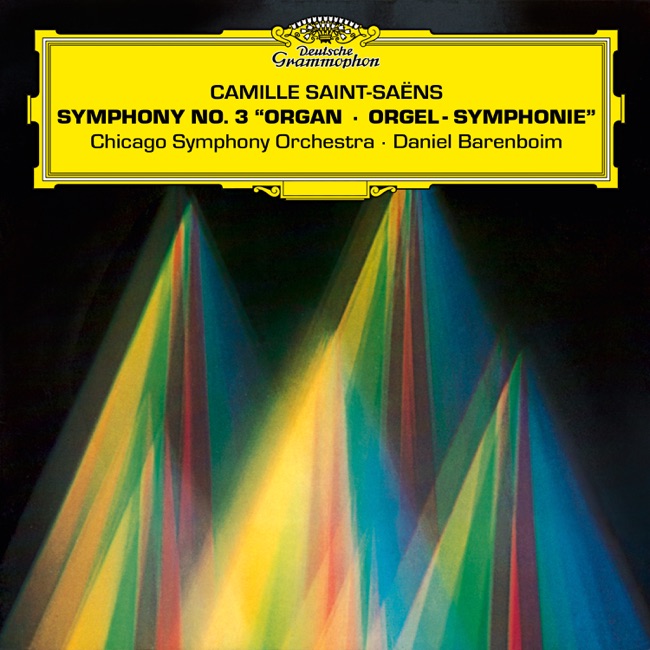 December 10, 2021
 -
 October 5, 2018
Artist Info
Role:ComposerCountry: FranceBirth:August 11, 1909Death:1991 in Ménil-sur-Belvitte, FrancePeriod:ContemporaryModernGenre:KeyboardGaston Litaize was a French composer and organist who was born on August 11, 1909, in Mériel, France. He was the son of a music teacher and began his musical education at a young age. Litaize showed a natural talent for music and quickly became proficient in playing the piano and the organ. Litaize's musical education continued at the Paris Conservatory, where he studied under some of the most prominent musicians of the time, including Marcel Dupré, Maurice Duruflé, and Paul Dukas. He won several awards and prizes during his time at the conservatory, including the prestigious Prix de Rome in 1930. After completing his studies, Litaize began his career as an organist and composer. He served as the organist at several churches in Paris, including the Church of Saint-Cloud and the Church of Saint-François-Xavier. He also taught at the Paris Conservatory and the Schola Cantorum. Litaize's compositions were heavily influenced by his love of the organ. He wrote numerous works for the instrument, including organ symphonies, preludes, fugues, and toccatas. His music was known for its technical complexity and virtuosity, as well as its emotional depth and beauty. One of Litaize's most famous works is his Organ Symphony No. 1, which he composed in 1949. The symphony is divided into three movements and showcases Litaize's mastery of the organ. The first movement is a lively and energetic toccata, while the second movement is a slow and contemplative adagio. The final movement is a joyful and triumphant fugue. Another notable work by Litaize is his Prelude and Fugue on B-A-C-H, which he composed in 1950. The piece is a tribute to the German composer Johann Sebastian Bach, and it features a complex and intricate fugue that showcases Litaize's technical skill as a composer. Litaize's music was well-received by audiences and critics alike, and he was widely regarded as one of the most talented composers of his time. He received numerous awards and honors throughout his career, including the Grand Prix de la Ville de Paris in 1957 and the Legion of Honor in 1963. Despite his success as a composer and organist, Litaize remained humble and dedicated to his craft. He continued to teach and perform throughout his life, and he remained an active member of the musical community until his death in 1991. In conclusion, Gaston Litaize was a talented and influential composer and organist who made significant contributions to the world of classical music. His music was known for its technical complexity and emotional depth, and his legacy continues to inspire and influence musicians today.More....
Recent Artist Music



Copyright Ⓒ 2013 Davinci Finger. All rights reseved
Service Terms & Policy