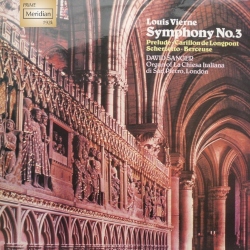
Louis Vierne
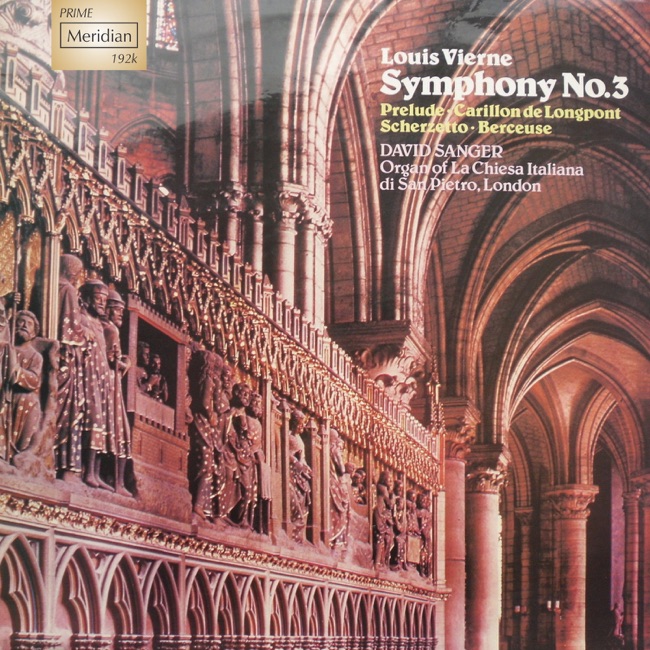
Symphony No. 3 in F sharp minor, Op. 28
Released Album
Recent Album

Works Info
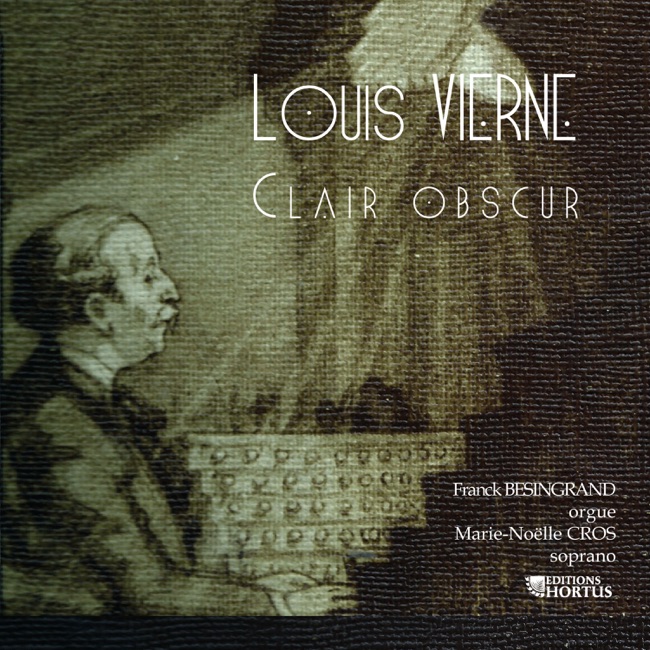
Composer:Louis VierneGenre:KeyboardStyle:KeyboardCompose Date:1912Average_duration:30:38Movement_count:5Movement ....Louis Vierne's Symphony No. 3 in F sharp minor, Op. 28, was composed between 1910 and 1911. It premiered on January 30, 1912, at the Salle Pleyel in Paris, with the composer conducting. The symphony is divided into four movements, each with its own distinct character. The first movement, marked "Lento - Allegro," begins with a somber and mysterious introduction in the low strings. The main theme is then introduced by the clarinet, which is later taken up by the full orchestra. The second theme, introduced by the oboe, is more lyrical and expressive. The development section is marked by intense chromaticism and a sense of restlessness, leading to a powerful climax. The recapitulation brings back the main themes, but with some variations, and the movement ends with a coda that recalls the opening material. The second movement, marked "Allegro molto vivace," is a scherzo in F sharp major. It is characterized by its rhythmic vitality and playful spirit. The main theme is a lively dance in triple meter, which is contrasted with a more lyrical trio section in D flat major. The scherzo returns, but with some variations, and the movement ends with a coda that brings back the trio material. The third movement, marked "Largo," is the emotional heart of the symphony. It begins with a mournful theme in the cellos and basses, which is then taken up by the violins. The theme is developed in a series of variations, each more intense and expressive than the last. The climax is marked by a soaring melody in the violins, accompanied by a lush harmonic texture. The movement ends with a quiet coda that recalls the opening material. The fourth and final movement, marked "Allegro con fuoco," is a triumphant finale in F sharp major. It begins with a fanfare-like theme in the brass, which is then taken up by the full orchestra. The main theme is a lively dance in triple meter, which is contrasted with a more lyrical second theme in D flat major. The development section is marked by virtuosic passages for the solo instruments, leading to a powerful climax. The recapitulation brings back the main themes, but with some variations, and the movement ends with a coda that brings back the fanfare material. Overall, Vierne's Symphony No. 3 is a powerful and expressive work, marked by its rich harmonic language, virtuosic orchestration, and emotional depth. It is a testament to Vierne's skill as a composer and his ability to create music that speaks to the heart and soul.More....
Works Music
Released Music
1
5:53
2
5:53
3
6:56
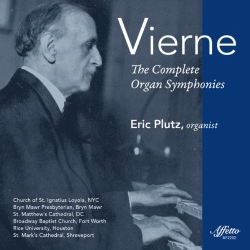

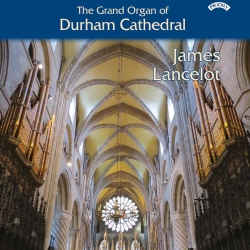

8
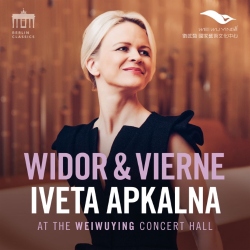
6:3