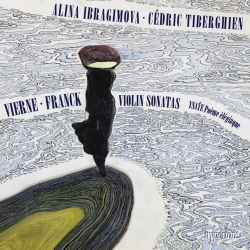
Louis Vierne
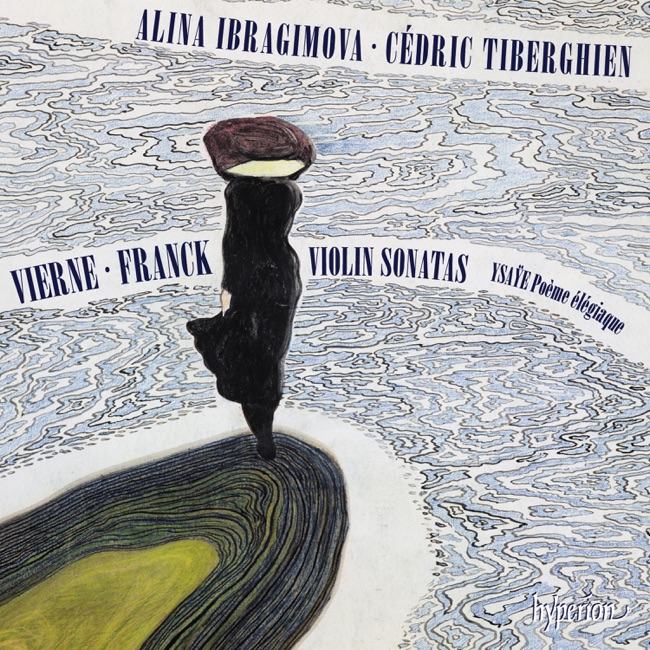
Sonata for violin & piano in G minor, Op. 23
Released Album
Recent Album


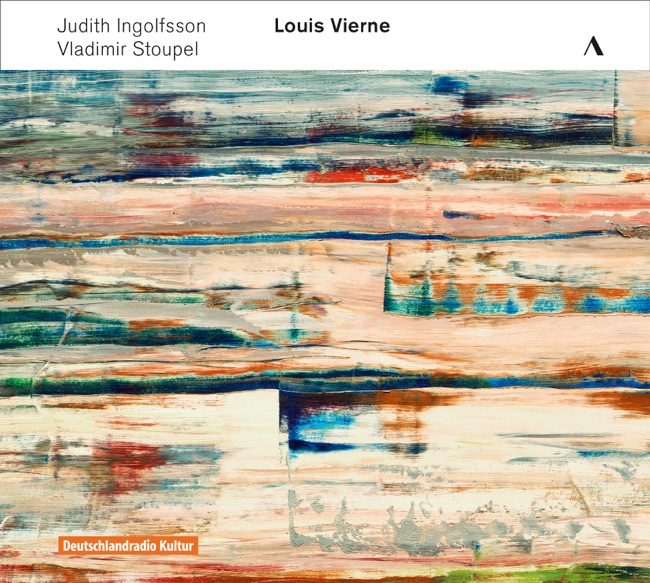
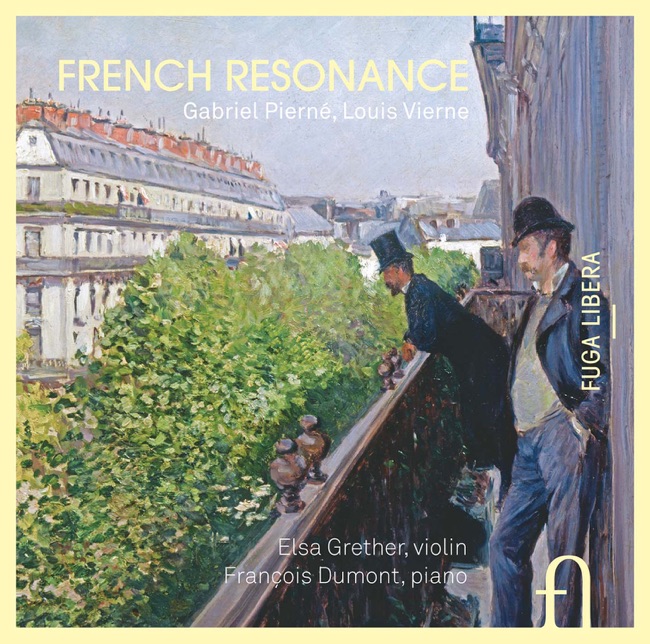
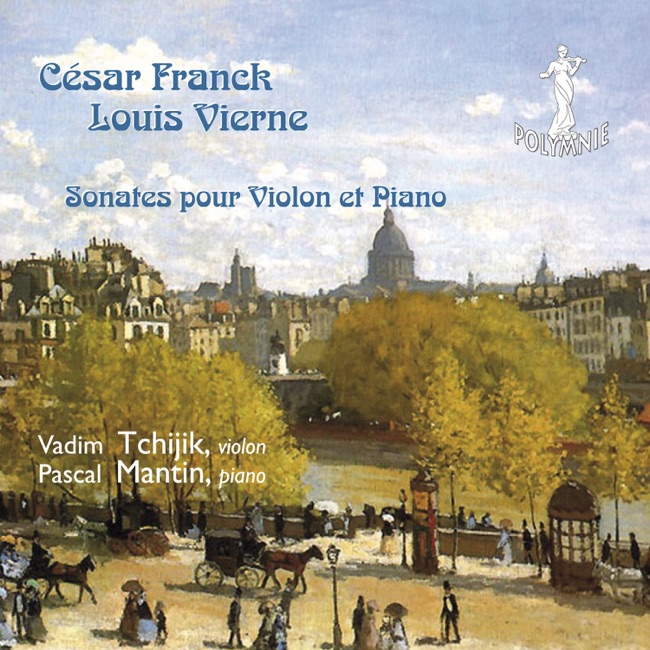

Featured Album
Works Info
Composer:Louis VierneGenre:ChamberStyle:SonataCompose Date:1906Average_duration:34:16Movement_count:4Movement ....Louis Vierne's Sonata for violin and piano in G minor, Op. 23, was composed in 1907 and premiered on January 23, 1908, in Paris. The sonata consists of four movements: Allegro moderato, Scherzo, Adagio, and Final. The first movement, Allegro moderato, begins with a dramatic and intense violin solo, followed by the piano's entrance with a forceful and rhythmic accompaniment. The movement is characterized by its use of chromaticism and frequent changes in tempo and mood. The second movement, Scherzo, is a lively and playful dance in 6/8 time. The violin and piano engage in a lively dialogue, with the violin taking on a more virtuosic role. The movement is marked by its use of syncopation and rhythmic complexity. The third movement, Adagio, is a lyrical and expressive slow movement. The violin sings a mournful melody over a gentle piano accompaniment, creating a sense of melancholy and introspection. The movement is characterized by its use of expressive chromaticism and rich harmonies. The final movement, marked Final, is a lively and energetic finale. The violin and piano engage in a spirited dialogue, with both instruments taking on a virtuosic role. The movement is characterized by its use of rhythmic complexity and frequent changes in tempo and mood. Overall, Vierne's Sonata for violin and piano in G minor, Op. 23, is a highly expressive and virtuosic work that showcases the composer's mastery of chromaticism, rich harmonies, and rhythmic complexity. Its four movements offer a wide range of moods and emotions, from intense drama to playful dance to introspective melancholy to lively energy.More....
Works Music
Released Music



6

6:35
Featured Music