


All-Union Radio Symphony Orchestra
Released Album
Concerto
-
 January 12, 2023
 -
 February 21, 2018
 -
 January 6, 2017
 -
 May 27, 2014
 -
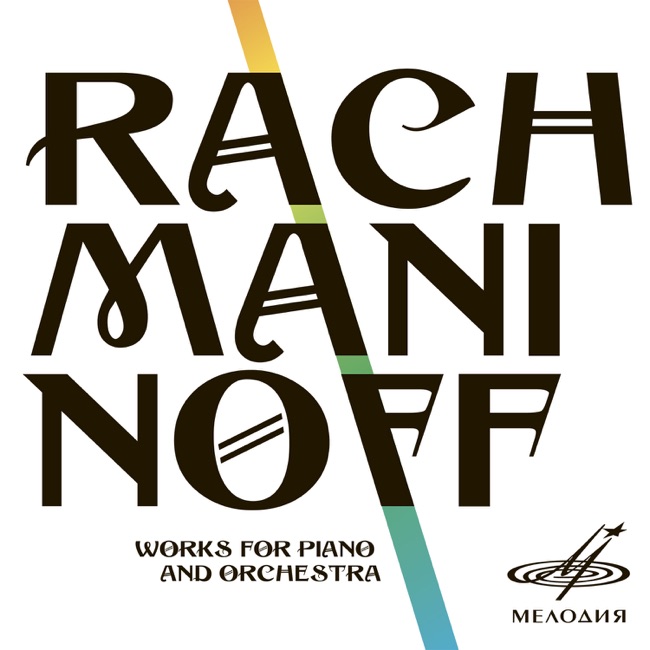 February 3, 2014
 -
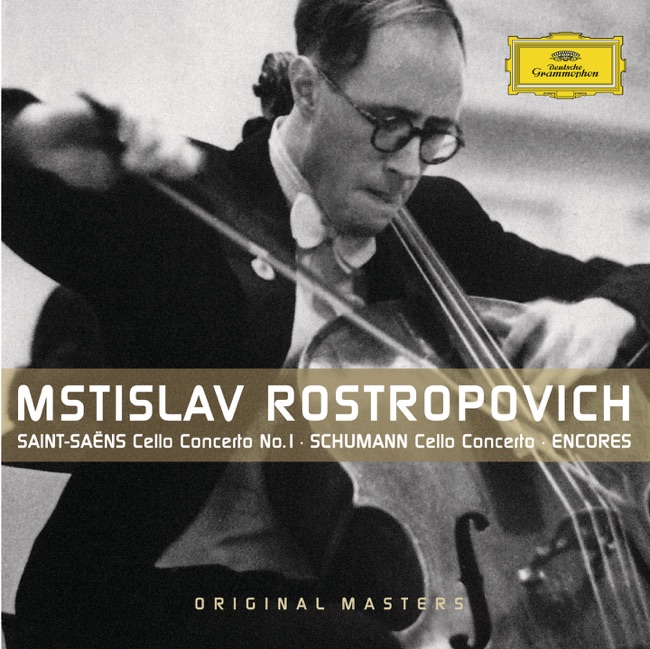 April 10, 2007
Opera
-
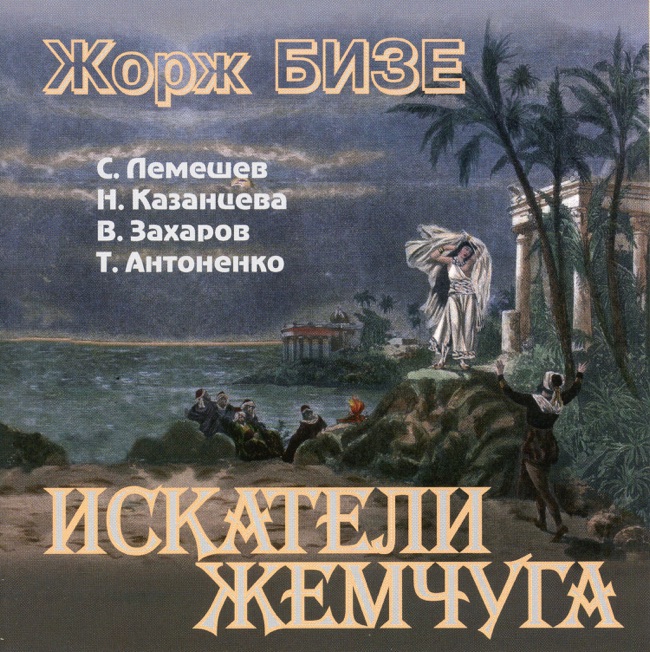 April 1, 2015
 -
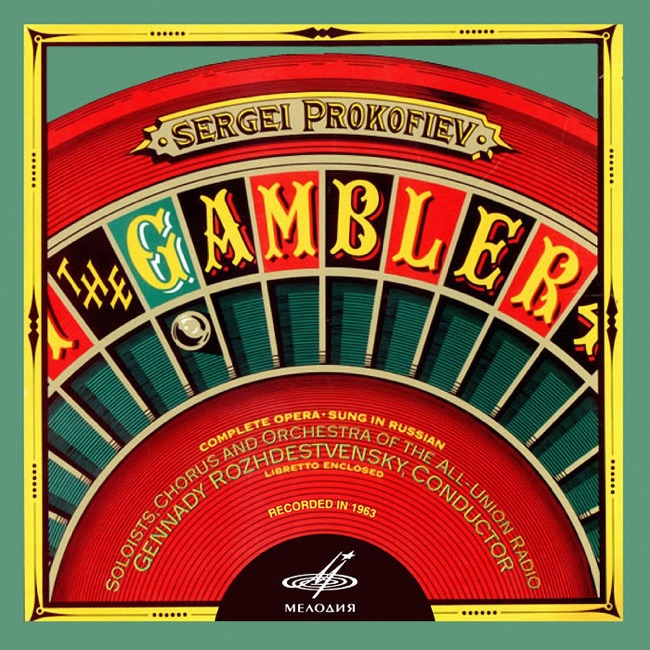 November 11, 2008
 -
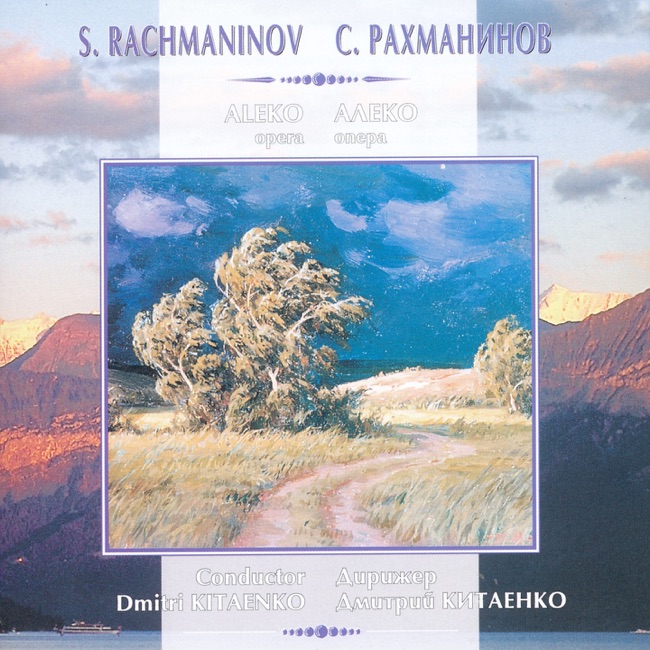 1987
1987
Artist Info
Role:EnsembleCountry: RussiaGenre:SymphonyThe All-Union Radio Symphony Orchestra was a classical music ensemble that was founded in 1936 in Moscow, Russia. The orchestra was established by the Soviet government as part of its efforts to promote classical music and culture in the country. The ensemble was initially known as the All-Union Radio Orchestra, but it was later renamed the All-Union Radio Symphony Orchestra to reflect its growing reputation and status. The founding members of the All-Union Radio Symphony Orchestra were some of the most talented and accomplished musicians in the Soviet Union. The orchestra was led by Nikolai Golovanov, a renowned conductor who had previously worked with the Bolshoi Theatre and the Moscow Philharmonic Orchestra. Golovanov was known for his passionate and expressive conducting style, which helped to bring out the best in the orchestra's musicians. The All-Union Radio Symphony Orchestra quickly established itself as one of the premier classical music ensembles in the Soviet Union. The orchestra's repertoire included a wide range of classical music, from the works of Bach and Mozart to the compositions of Tchaikovsky and Shostakovich. The orchestra also performed contemporary music by Soviet composers, including Sergei Prokofiev and Dmitri Shostakovich. One of the highlights of the All-Union Radio Symphony Orchestra's early years was its performance of Tchaikovsky's Symphony No. 5 in E minor. The performance, which took place in 1937, was conducted by Golovanov and featured the orchestra's talented musicians. The performance was widely praised for its emotional intensity and technical precision, and it helped to establish the orchestra's reputation as a world-class ensemble. Over the years, the All-Union Radio Symphony Orchestra continued to perform at the highest level, earning numerous awards and accolades for its performances. In 1941, the orchestra was awarded the Stalin Prize, one of the highest honors in the Soviet Union, for its performance of Shostakovich's Symphony No. 7 in C major. The performance, which took place during the Siege of Leningrad, was a powerful tribute to the resilience and courage of the Soviet people. In the years that followed, the All-Union Radio Symphony Orchestra continued to perform at major venues and events throughout the Soviet Union and beyond. The orchestra performed at the opening ceremony of the 1980 Summer Olympics in Moscow, and it also toured extensively throughout Europe and Asia. The orchestra's performances were always well-received, and its musicians were known for their technical skill and emotional depth. Despite its many successes, the All-Union Radio Symphony Orchestra faced numerous challenges over the years. The orchestra was often subject to political pressure and censorship, and its musicians were sometimes forced to perform music that was deemed politically acceptable by the Soviet government. Despite these challenges, however, the orchestra continued to perform at the highest level, earning the respect and admiration of audiences around the world. In 1991, following the collapse of the Soviet Union, the All-Union Radio Symphony Orchestra was disbanded. The orchestra's musicians went on to pursue successful careers in music, and many of them continue to perform and teach today. Although the All-Union Radio Symphony Orchestra is no longer active, its legacy lives on through the recordings and performances that it left behind.More....
Recent Artist Music


6
3:31
7

Dances sacred and profane, L. 103
2 Dances for harp & string orchestra: Danse sacrée et Danse profane
8:40
14
13:2
Copyright Ⓒ 2013 Davinci Finger. All rights reseved
Service Terms & Policy