


Bernd Alois Zimmermann
Released Album
Chamber
-
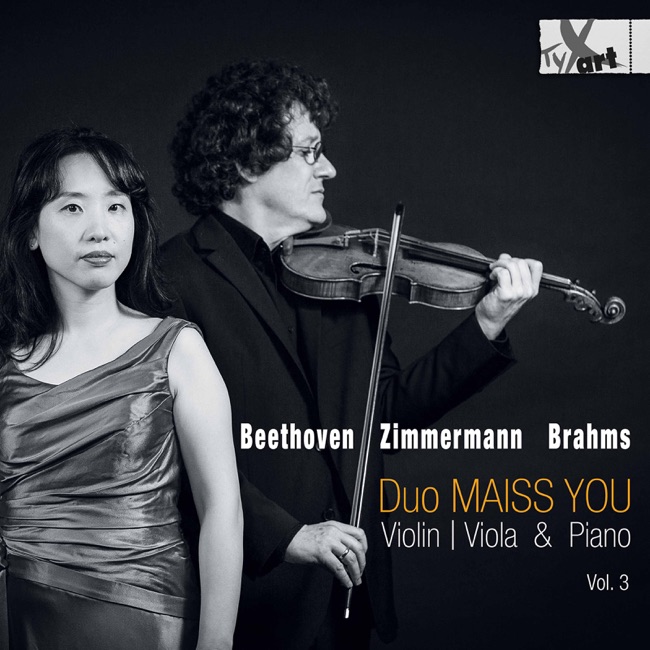 April 15, 2022
 -
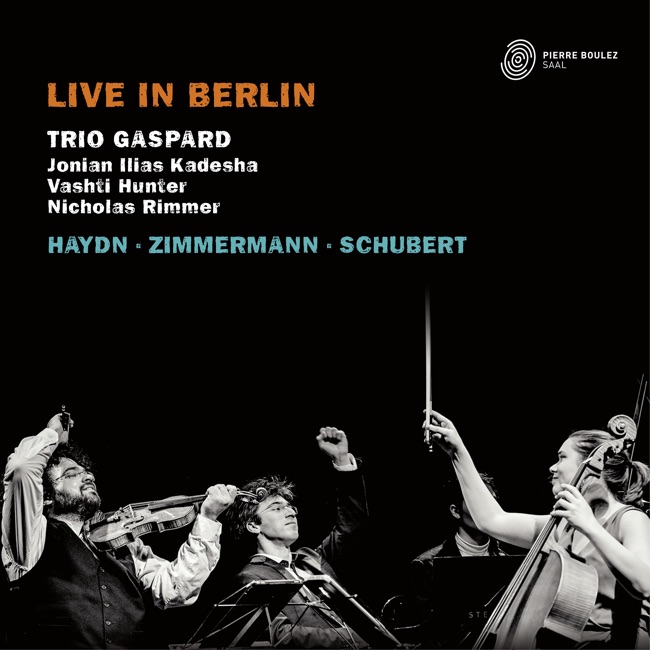 April 24, 2020
 -
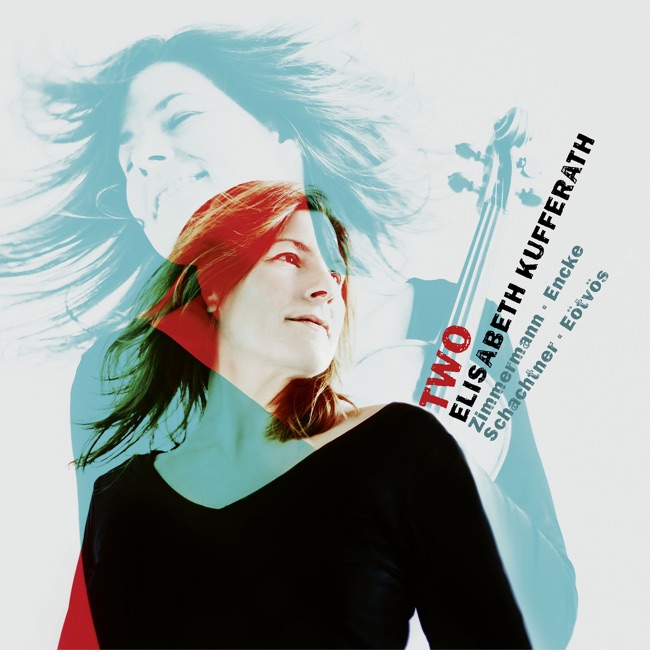 April 17, 2020
 -
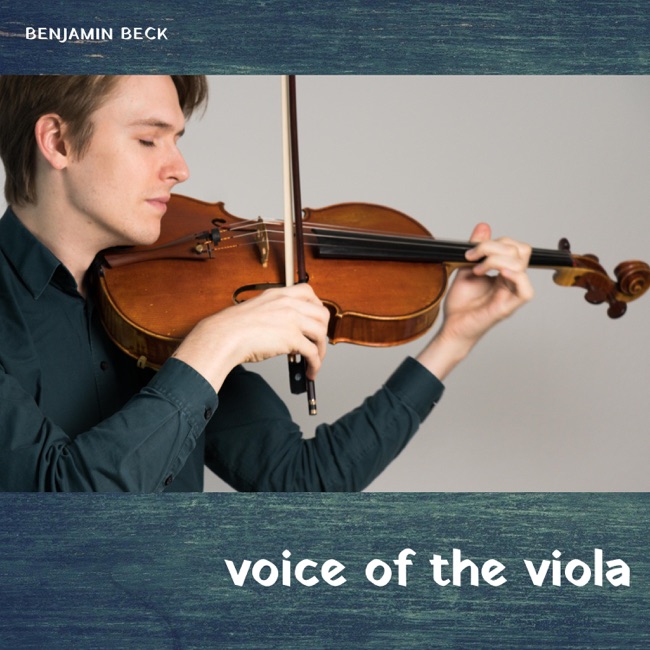 April 4, 2020
 -
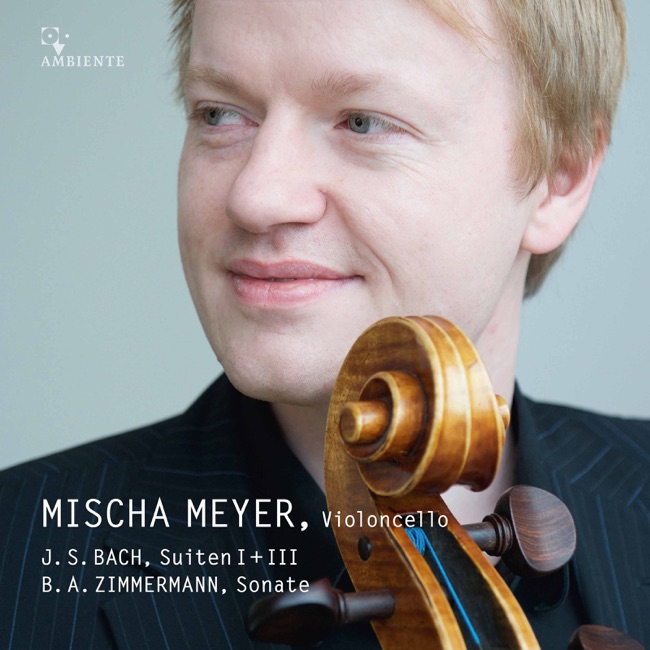 October 20, 2017
 -
 April 7, 2017
Concerto
-
 May 5, 2023
 -
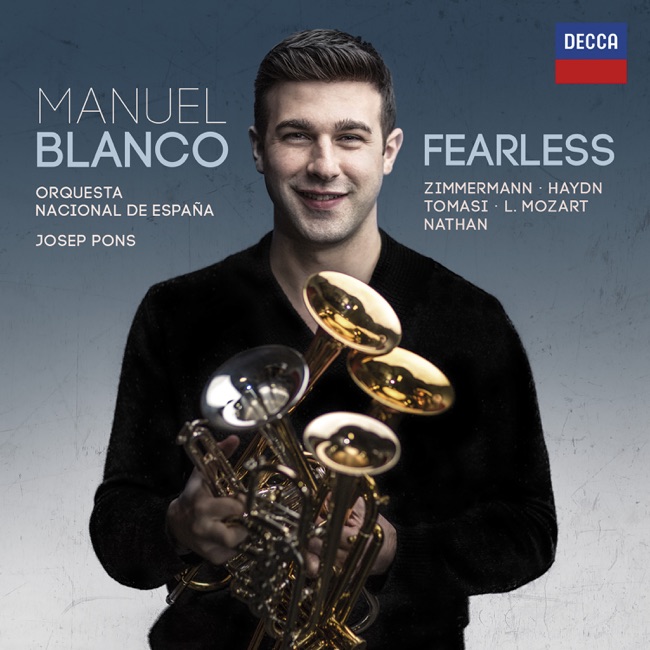 October 20, 2017
 -
 August 29, 2017
 -
-
 January 9, 2012
 -
 September 29, 2009
Orchestral
-
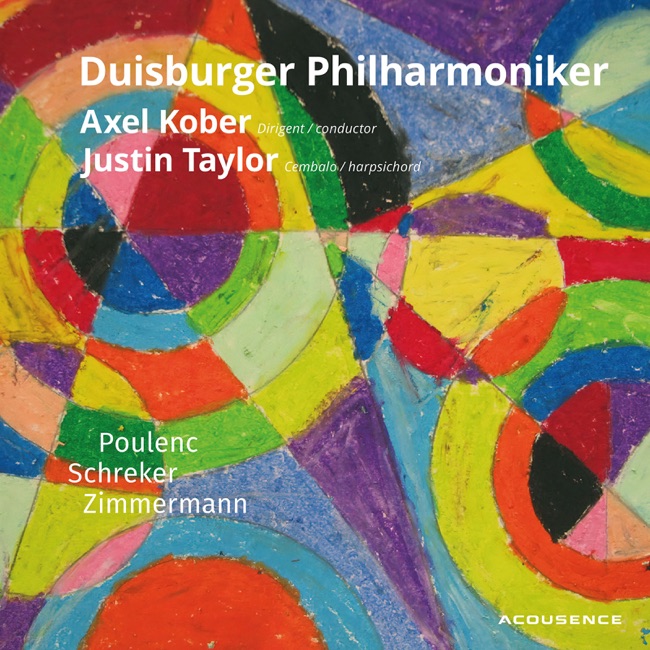 June 3, 2022
 -
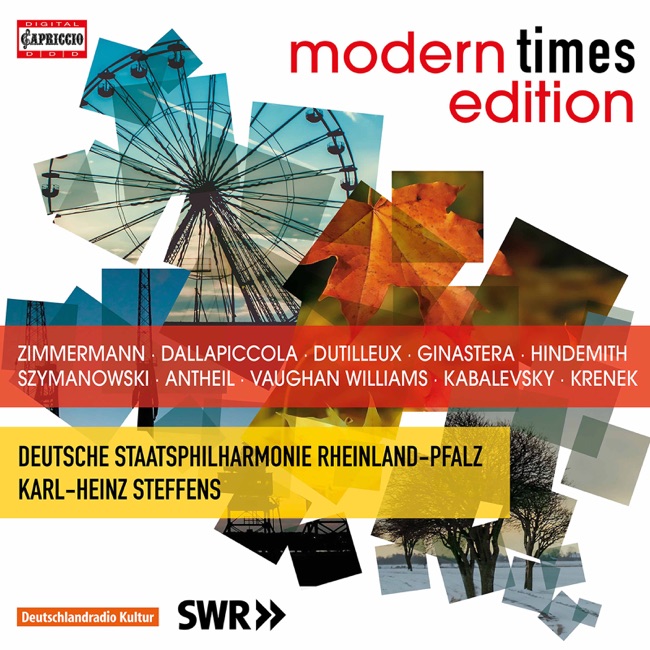 February 7, 2020
 -
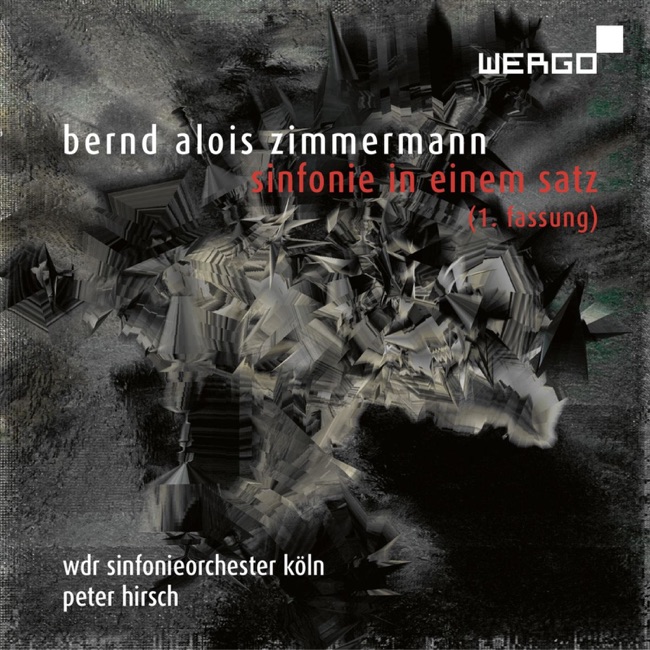 September 30, 2016
 -
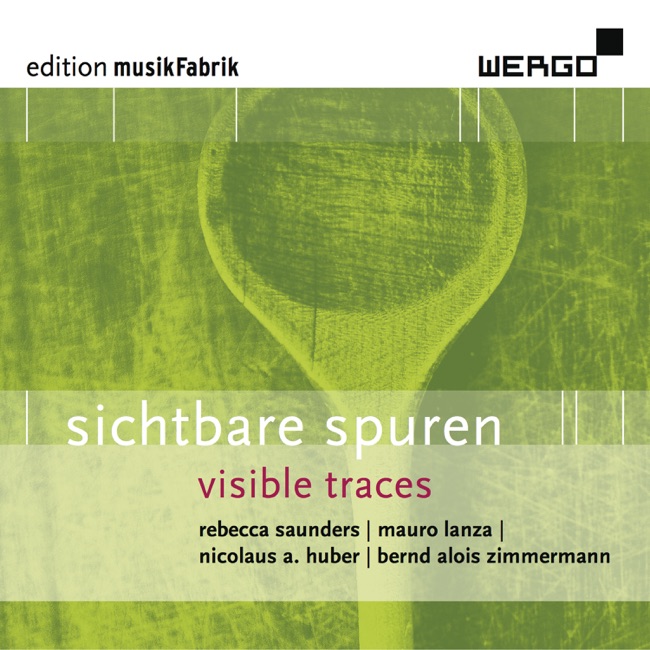 January 1, 2010
 -
Keyboard
-
 November 10, 2023
 -
 March 25, 2022
 -
 June 5, 2020
 -
 November 16, 2018
 -
-
 August 5, 2016
Artist Info
Role:Composer ConductorCountry: GermanyBirth:March 20, 1918 in Bliesheim, GermanyDeath:August 10, 1970 in Königsdorf, GermanyPeriod:ContemporaryModernGenre:ChamberConcertoKeyboardBernd Alois Zimmermann was a German composer born on March 20, 1918, in Bliesheim, Germany. He was the son of a schoolteacher and grew up in a musical family. His father played the organ and his mother sang in the church choir. Zimmermann began playing the piano at a young age and showed an early interest in music. Zimmermann studied music at the Cologne Conservatory from 1937 to 1941. During this time, he was introduced to the music of Arnold Schoenberg and other composers of the Second Viennese School. He was also influenced by the music of Igor Stravinsky and Paul Hindemith. After completing his studies, Zimmermann served in the German army during World War II. He was captured by the Americans in 1944 and spent the remainder of the war as a prisoner of war. During his captivity, he continued to compose music and even gave lectures on music theory to his fellow prisoners. After the war, Zimmermann returned to Germany and began working as a freelance composer. He was appointed as a lecturer at the Cologne Conservatory in 1947 and later became a professor of composition at the same institution. Zimmermann's early works were influenced by the music of the Second Viennese School and the neoclassical style of Hindemith. However, he soon began to develop his own unique style, which combined elements of serialism, jazz, and electronic music. One of Zimmermann's most famous works is his opera "Die Soldaten" (The Soldiers), which he began composing in 1957. The opera is based on a play by Jakob Lenz and tells the story of a young woman who is seduced by a soldier and then betrayed by him. The opera is known for its complex score, which includes a large orchestra, a jazz band, and electronic music. Another notable work by Zimmermann is his "Requiem für einen jungen Dichter" (Requiem for a Young Poet), which he composed in 1969. The work is a tribute to the poet Georg Trakl, who committed suicide during World War I. The piece combines elements of serialism, jazz, and electronic music and features a large orchestra, a jazz band, and a choir. Zimmermann's music was often political in nature and he was known for his criticism of the German government. In 1966, he wrote an open letter to the German government, in which he criticized the country's cultural policies and called for greater support for contemporary music. Zimmermann suffered from depression and anxiety throughout his life and was known to have attempted suicide on several occasions. He ultimately took his own life on August 10, 1970, at the age of 52. Despite his relatively short career, Zimmermann is considered to be one of the most important composers of the 20th century. His music was innovative and groundbreaking, and his influence can be heard in the work of many contemporary composers.More....
Recent Artist Music
6
1:39
7
1:50


11
1:48
Recommend Playlist



Copyright Ⓒ 2013 Davinci Finger. All rights reseved
Service Terms & Policy