


Paul Dessau
Released Album
Chamber
-
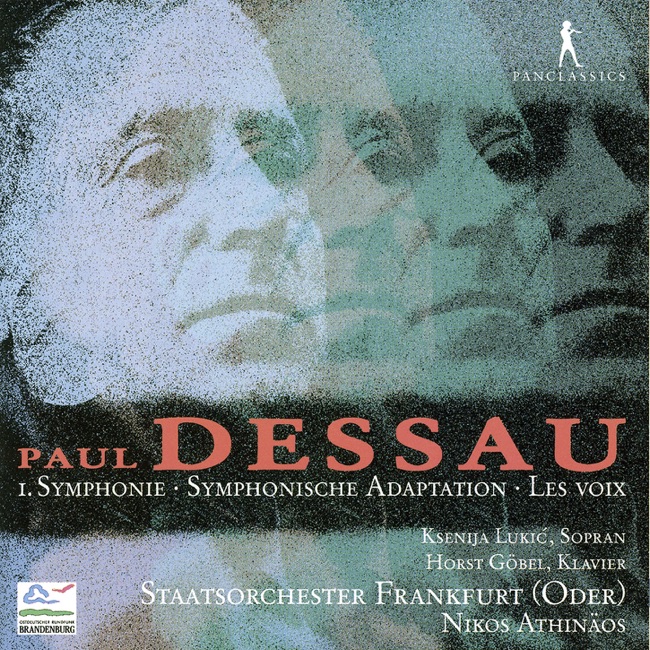 July 10, 2020
 -
 April 29, 2016
 -
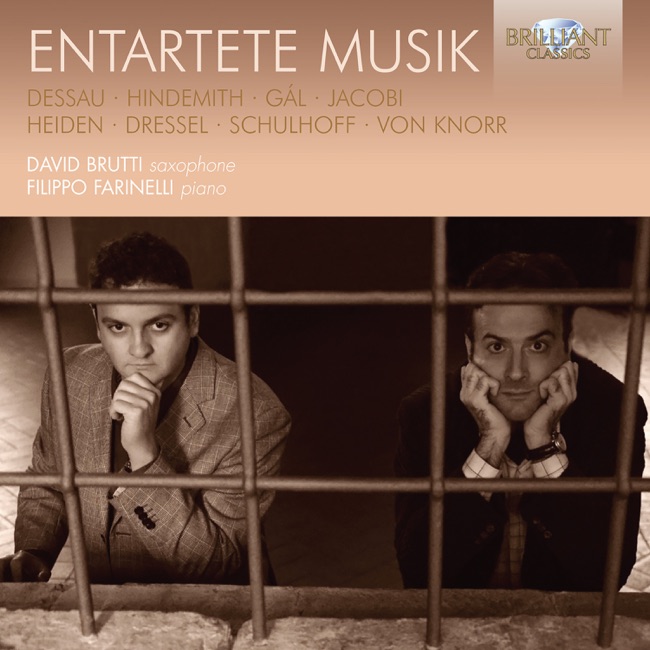 July 21, 2014
 -
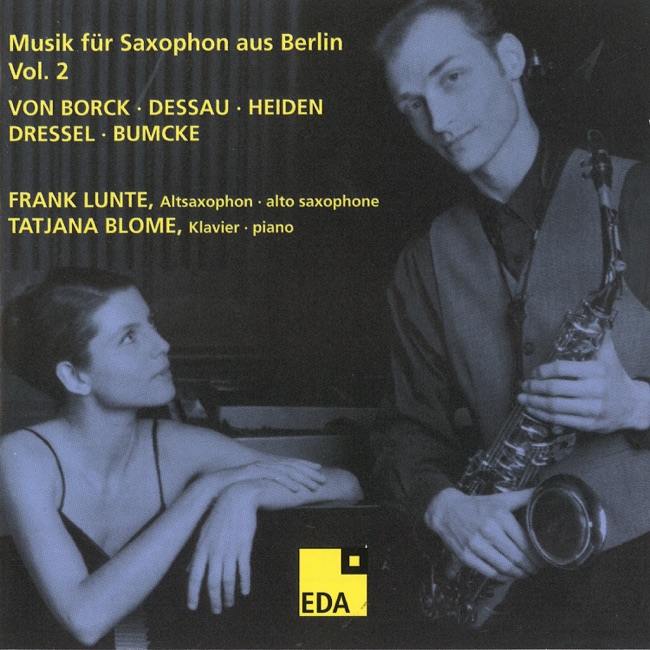 December, 2003
 -
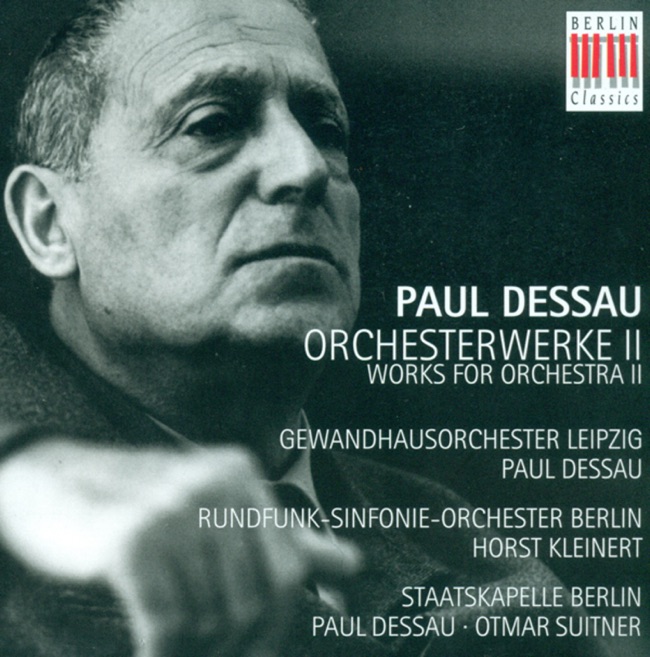 February 12, 1997
 -
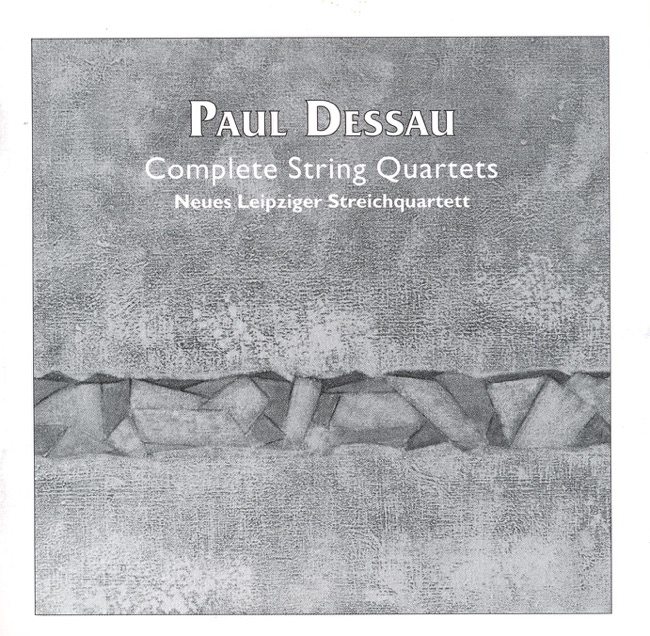 February 28, 1995
Vocal
-
 January 11, 2019
 -
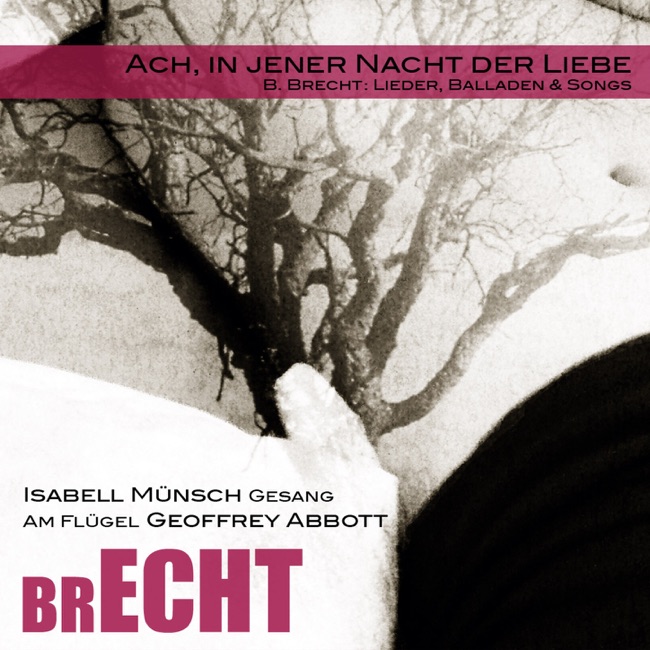 April 6, 2012
 -
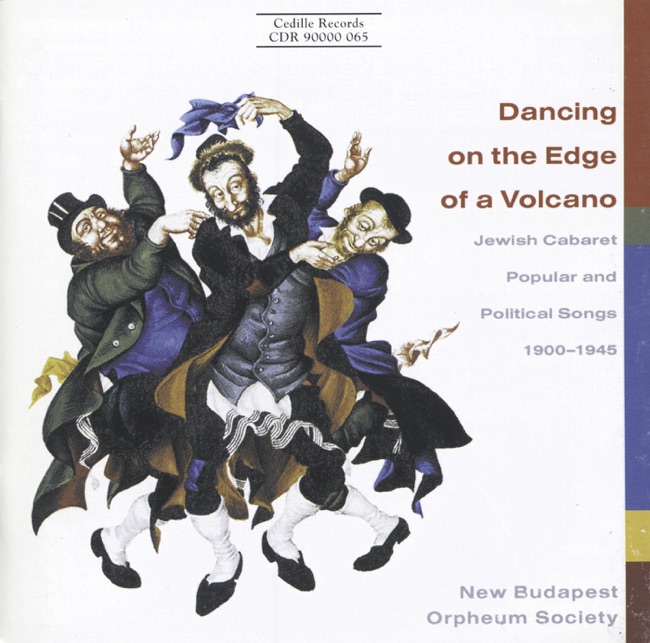
-
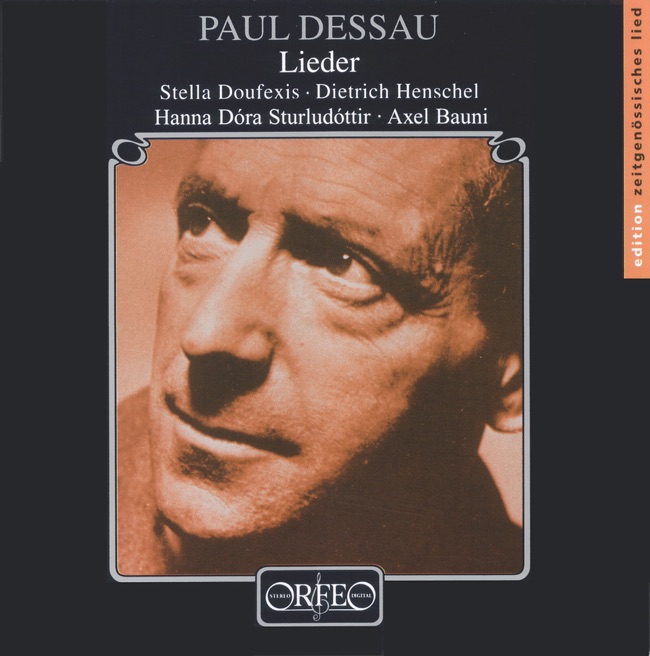 August 29, 2000
 -
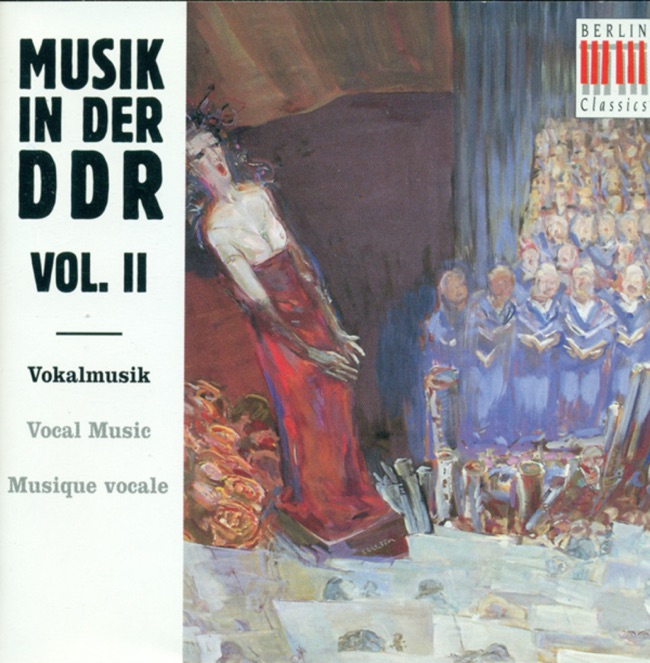
Orchestral
-
 September 25, 2020
 -
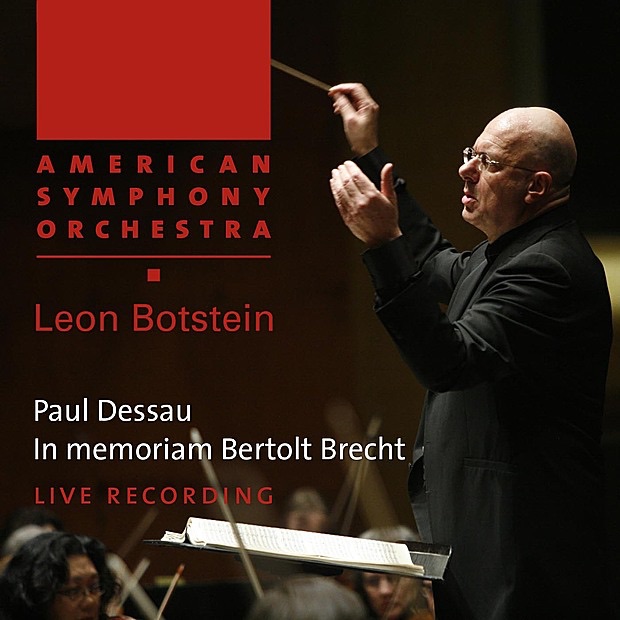 August 18, 2010
 -
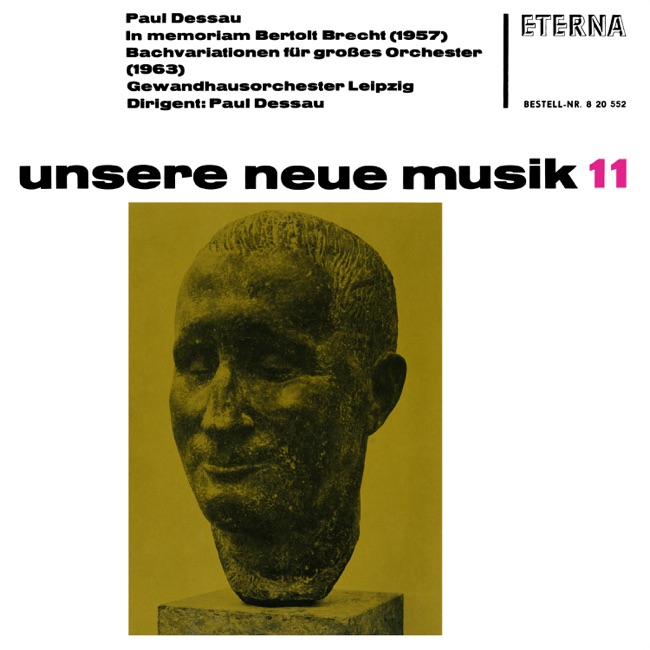
Opera
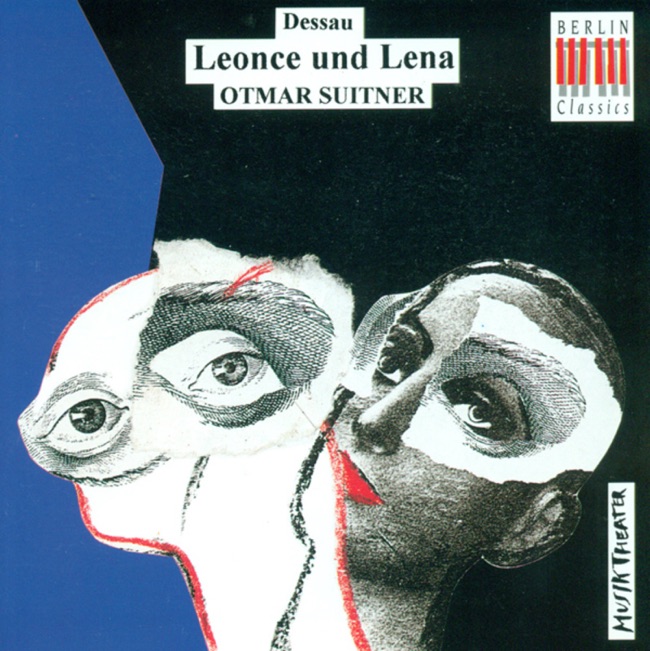
Artist Info
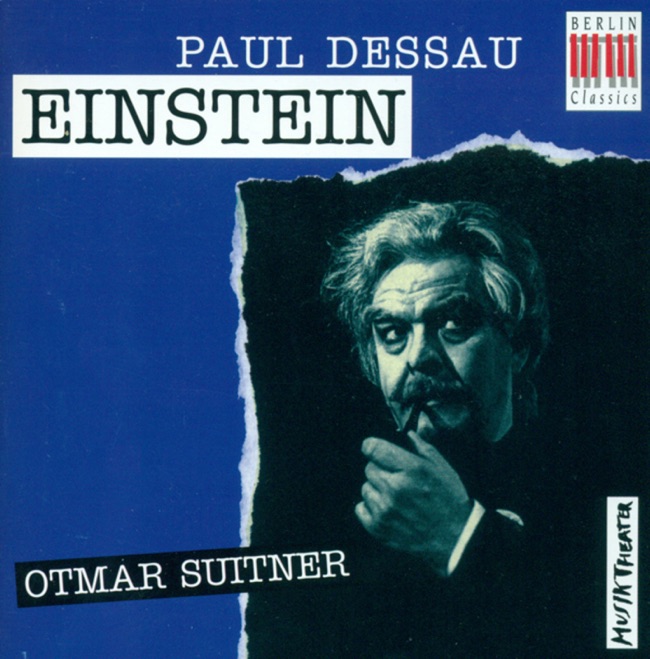
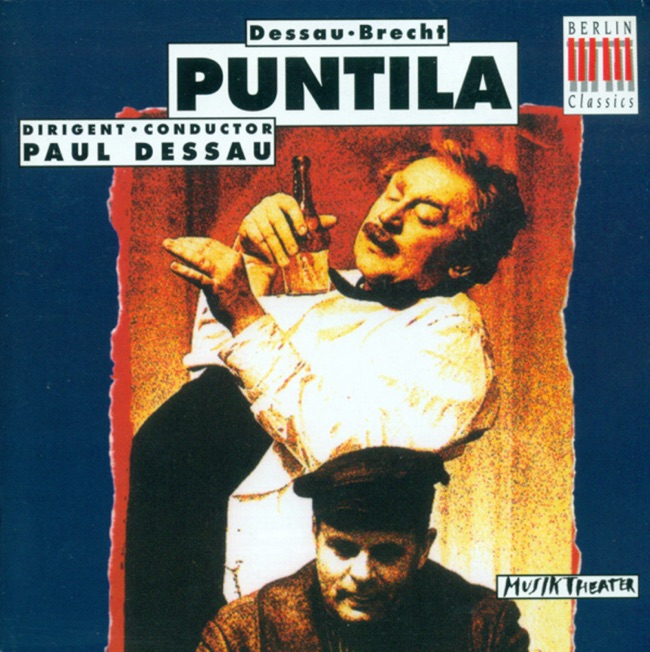
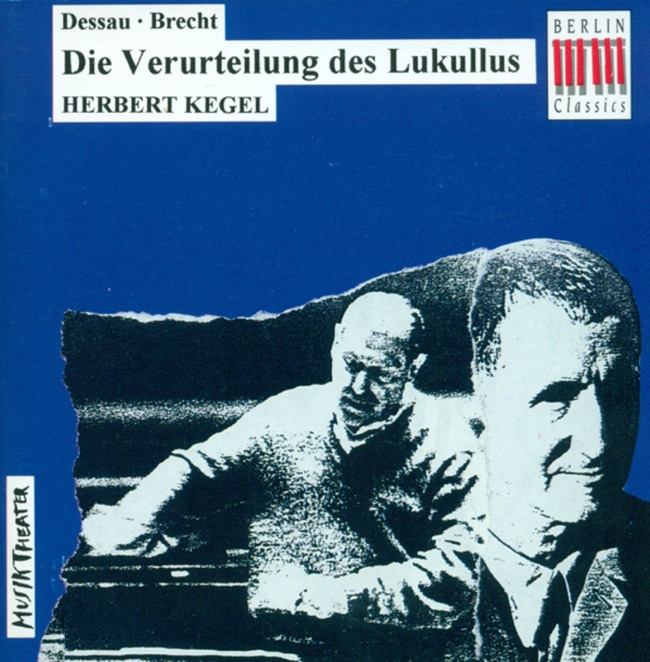
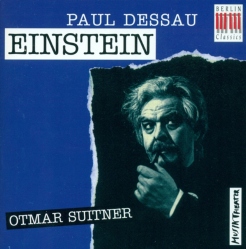
Role:Composer ConductorCountry: GermanyBirth:December 10, 1894 in Hamburg, GermanyDeath:June 27, 1979 in Konigs WusterhausenPeriod:RomanticContemporaryModernGenre:ChamberVocalPaul Dessau was a German composer who was born on December 19, 1894, in Hamburg, Germany. He was the son of a Jewish merchant and grew up in a family that was musically inclined. Dessau began his musical education at a young age, studying piano and violin with his mother. He later studied composition with Max Julius Loewengard and Georg Schumann at the Berlin Hochschule für Musik. Dessau's early works were influenced by the music of Richard Strauss and Gustav Mahler. He also drew inspiration from the works of Arnold Schoenberg and the Second Viennese School. In 1920, Dessau became a member of the Novembergruppe, a group of artists and intellectuals who sought to promote modernism in the arts. He also became involved with the Communist Party of Germany and was a member of the KPD from 1928 until his death. Dessau's early works were primarily chamber music and songs. In 1927, he composed his first opera, Die Verurteilung des Lukullus (The Condemnation of Lucullus), which was based on a play by Bertolt Brecht. The opera was a critical success and marked the beginning of a long collaboration between Dessau and Brecht. Dessau went on to compose music for several of Brecht's plays, including Die Mutter (The Mother) and Der aufhaltsame Aufstieg des Arturo Ui (The Resistible Rise of Arturo Ui). In the 1930s, Dessau's music became more politically charged. He composed music for several anti-fascist plays and films, including Kuhle Wampe oder: Wem gehört die Welt? (Kuhle Wampe or: Who Owns the World?), a film about the struggles of working-class families during the Great Depression. Dessau's music for Kuhle Wampe was praised for its use of folk music and its ability to capture the spirit of the working-class movement. During World War II, Dessau was forced to flee Germany due to his political beliefs and Jewish heritage. He spent several years in exile in Switzerland and France before eventually settling in East Germany in 1949. In East Germany, Dessau became a prominent figure in the cultural scene and was appointed the head of the music department at the Academy of Arts in Berlin. Dessau's music in the post-war period continued to be politically charged. He composed music for several films and plays that dealt with the struggles of the working class and the fight against fascism. He also composed several symphonies and concertos that were performed by orchestras throughout East Germany. One of Dessau's most famous works is his opera Einstein, which was based on the life of the physicist Albert Einstein. The opera premiered in 1974 and was a critical and popular success. Dessau's music for Einstein was praised for its use of atonality and its ability to capture the complexity of Einstein's life and work. Dessau continued to compose music until his death on June 28, 1979, in Königs Wusterhausen, East Germany. He was buried in the Dorotheenstadt cemetery in Berlin, where many other prominent figures from the East German cultural scene are buried. In conclusion, Paul Dessau was a prominent German composer who was known for his politically charged music and his collaborations with Bertolt Brecht. His music was influenced by the works of Richard Strauss, Gustav Mahler, and Arnold Schoenberg, and he was a member of the Novembergruppe and the Communist Party of Germany. Dessau's music for films and plays that dealt with the struggles of the working class and the fight against fascism was particularly notable.More....
Recent Artist Music

9
4:1
12
3:18
Copyright Ⓒ 2013 Davinci Finger. All rights reseved
Service Terms & Policy