


Isang Yun
Released Album
Chamber
-
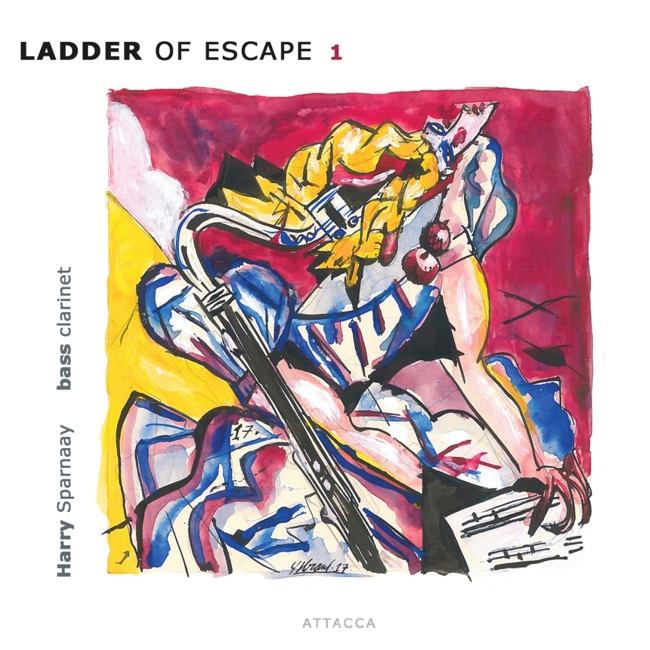 November 12, 2023
 -
 January 28, 2022
 -
 August 6, 2021
 -
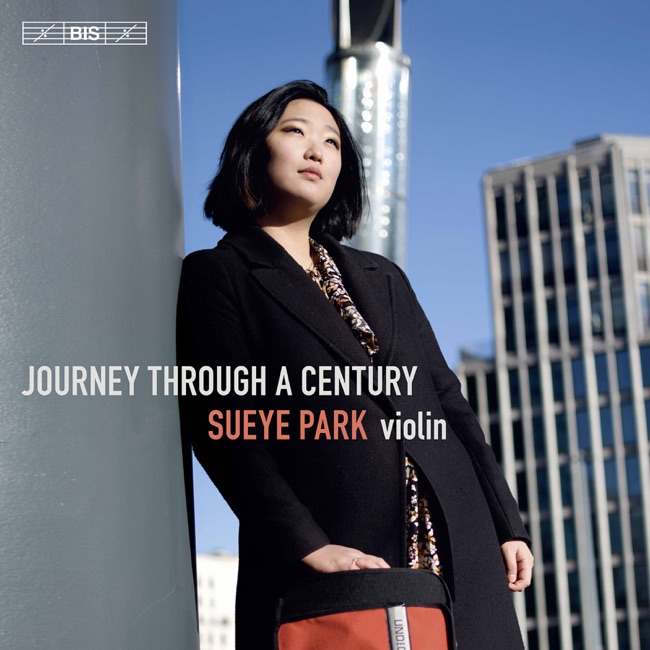 June 4, 2021
 -
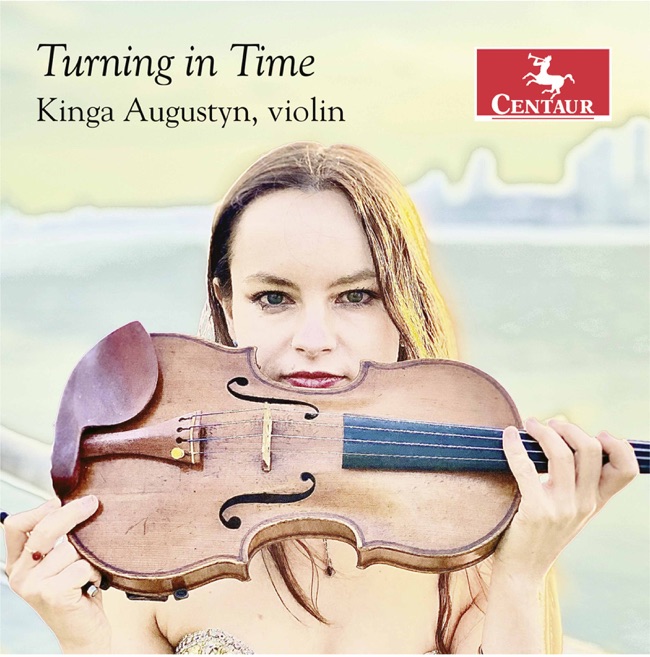 January 1, 2021
 -
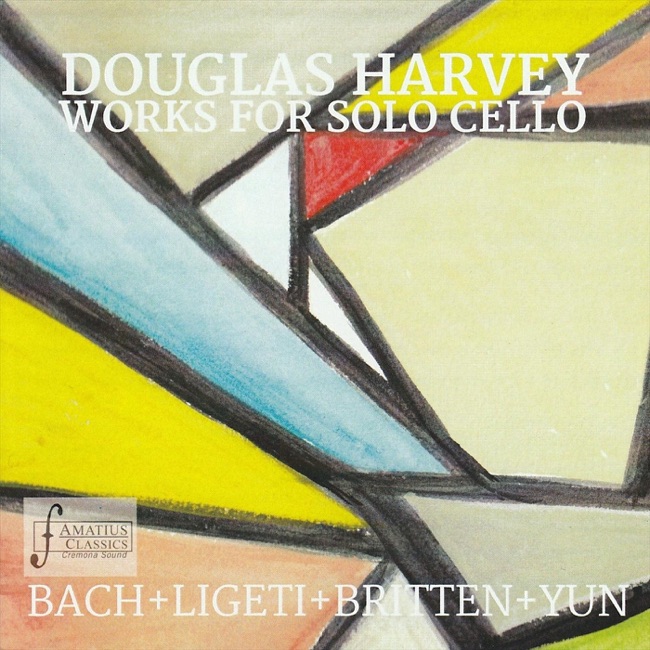 December 10, 2019
Keyboard
-
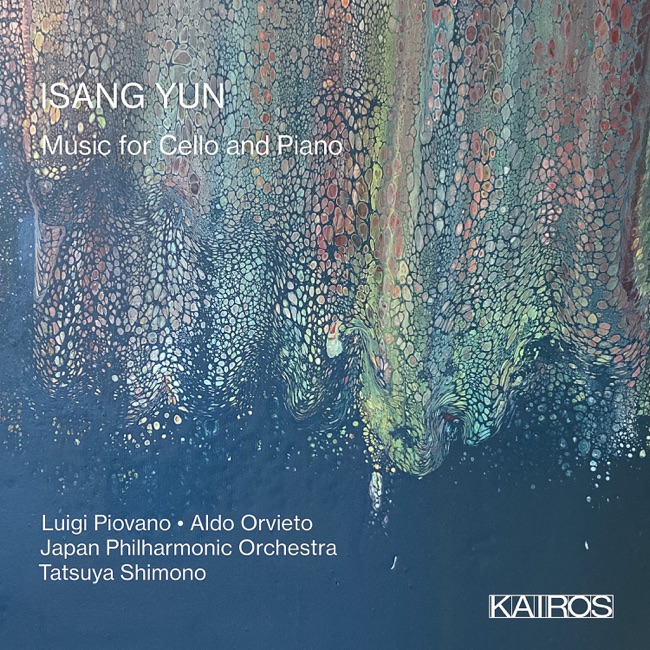 March 2, 2022
 -
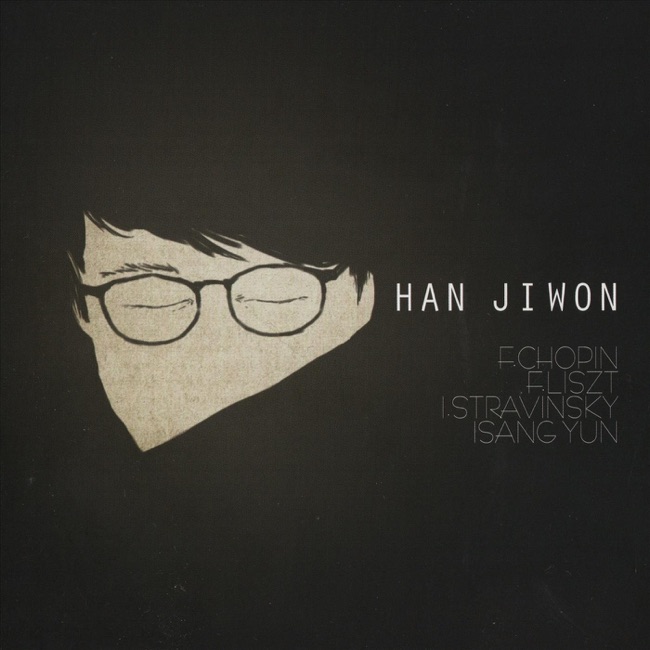 November 1, 2014
 -
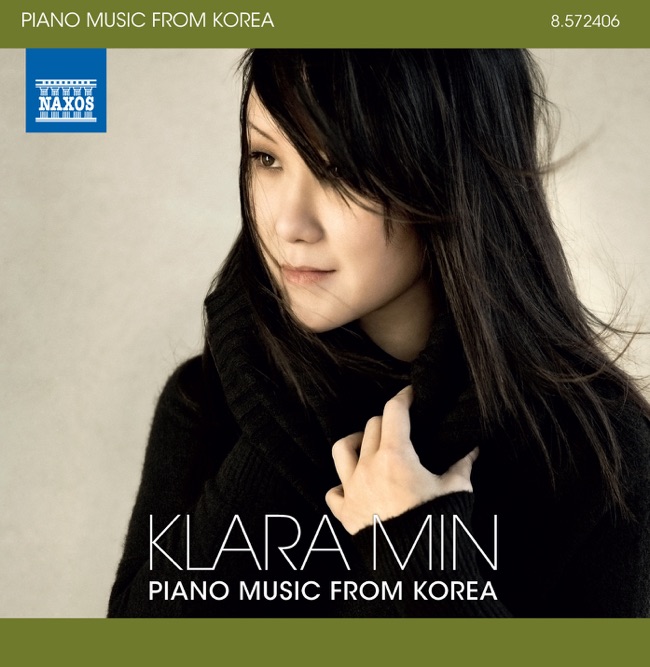 July 26, 2011
 -
 November 9, 2010
 -
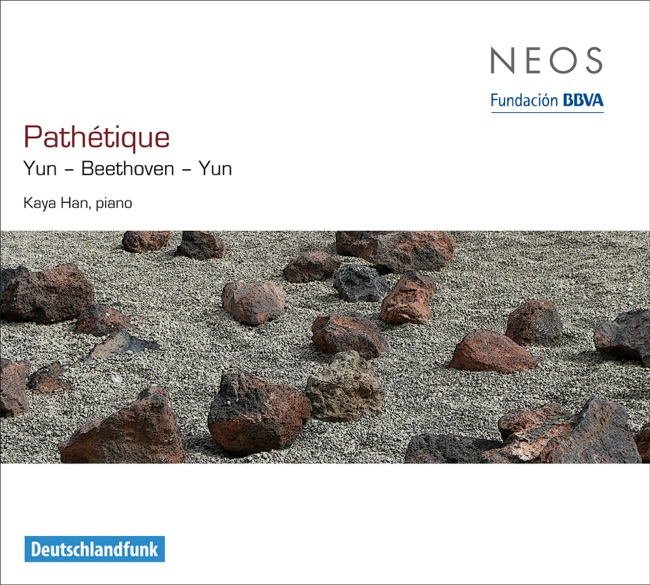 April 28, 2009
Concerto
-
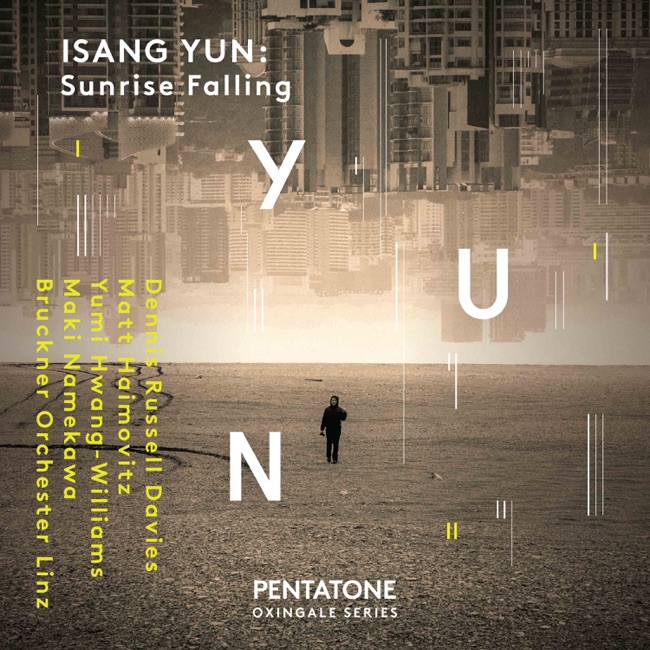 September 18, 2018
 -
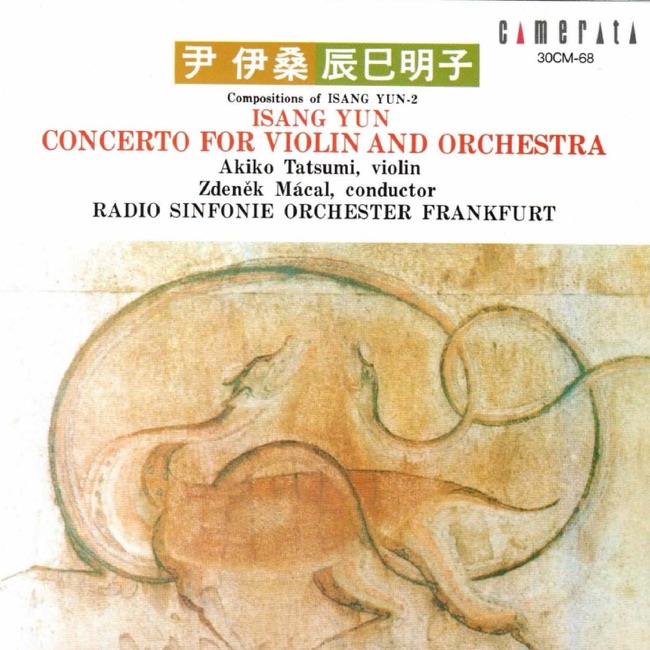
Orchestral
-
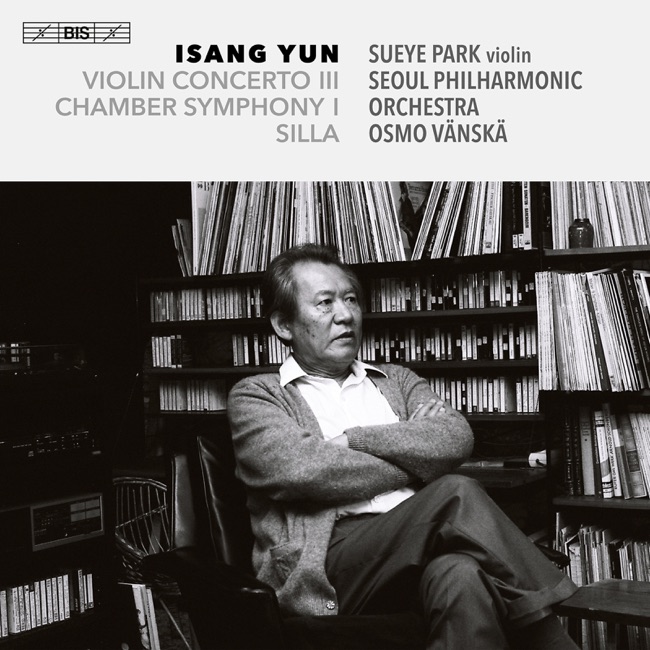 September 2, 2022
 -
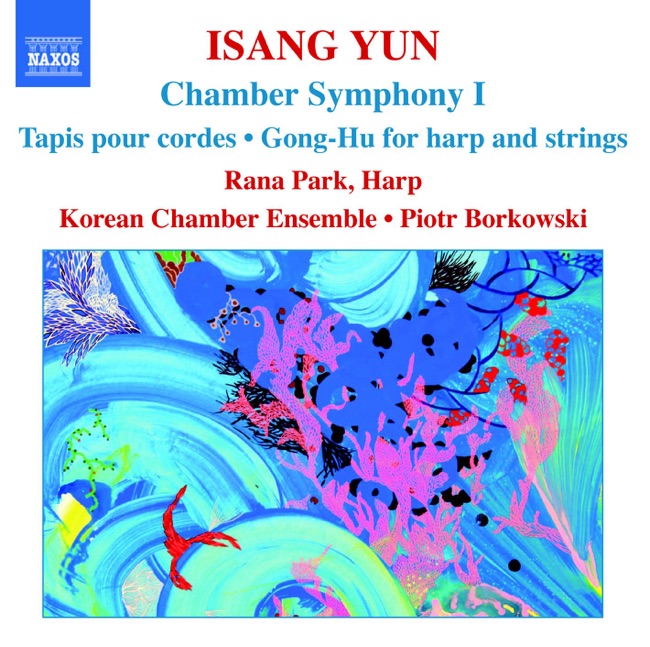 February 21, 2006
 -
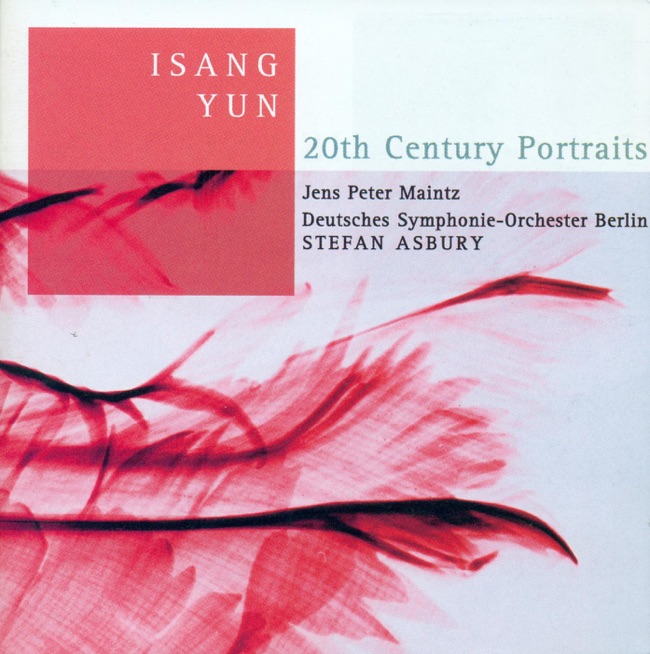 January 1, 2003
Artist Info
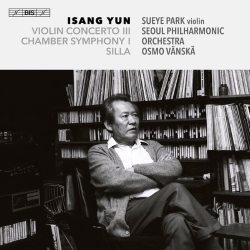
Role:ComposerCountry: South KoreaBirth:September 17, 1917 in Tongyong, South KoreaDeath:November 3, 1995 in Berlin, GermanyPeriod:ContemporaryGenre:ChamberIsang Yun was a Korean-German composer who was born on September 17, 1917, in Tongyeong, South Korea. He was the youngest of six children and grew up in a family that valued education and music. His father was a school principal and his mother was a pianist. Yun began playing the violin at a young age and showed a natural talent for music. In 1935, Yun moved to Japan to study music at the Osaka College of Music. He studied composition with the Japanese composer Tomojiro Ikenouchi and violin with the Russian violinist Boris Kuznetsov. Yun was deeply influenced by Japanese music and culture during his time in Japan, and this influence can be heard in his later compositions. In 1943, Yun returned to Korea and became involved in the Korean independence movement. He was arrested by the Japanese authorities and spent two years in prison. During his time in prison, Yun continued to compose music and wrote his first string quartet. After his release from prison, Yun moved to North Korea and became a professor at the Pyongyang National University of Music. He continued to compose music and became known for his innovative use of traditional Korean music in his compositions. In 1956, Yun moved to West Germany and settled in Berlin. He became a German citizen in 1971. Yun continued to compose music and became known for his unique blend of Western classical music and traditional Korean music. One of Yun's most famous works is his opera "The House of Sleeping Beauties," which premiered in 1976. The opera is based on a novella by the Japanese author Yasunari Kawabata and tells the story of an old man who visits a brothel where he can sleep next to young women who are drugged and unconscious. The opera is a powerful commentary on the objectification of women and the commodification of sex. Another notable work by Yun is his "Concerto for Violin and Orchestra," which was written in 1981. The concerto is a tribute to Yun's mother, who was a pianist. The piece is characterized by its use of Korean folk melodies and its virtuosic violin writing. Yun's music is known for its use of unconventional techniques and its incorporation of traditional Korean music. He often used extended techniques on traditional Western instruments, such as the violin and cello, to create new sounds. He also used traditional Korean instruments, such as the gayageum and the daegeum, in his compositions. Yun's music was not without controversy. In 1967, he was kidnapped by the South Korean government and taken to Seoul, where he was accused of being a spy for North Korea. Yun was tortured and forced to confess to the charges. He was eventually released and returned to West Germany, where he continued to compose music. Despite the controversy surrounding his kidnapping, Yun's music continued to be celebrated. He received numerous awards and honors throughout his career, including the Order of Merit of Berlin and the Goethe Medal. Yun died on November 3, 1995, in Berlin, Germany. He is remembered as one of the most important composers of the 20th century and a pioneer in the fusion of Western classical music and traditional Korean music. His music continues to be performed and studied around the world.More....
Recent Artist Music

Recommend Playlist




Related Artists
Copyright Ⓒ 2013 Davinci Finger. All rights reseved
Service Terms & Policy