


David Frederick Stock
Released Album
Concerto
-
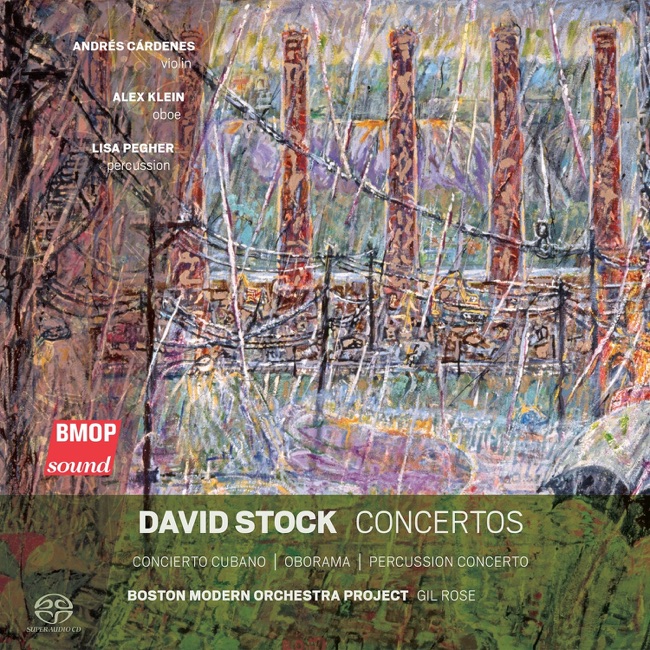 March 8, 2016
 -
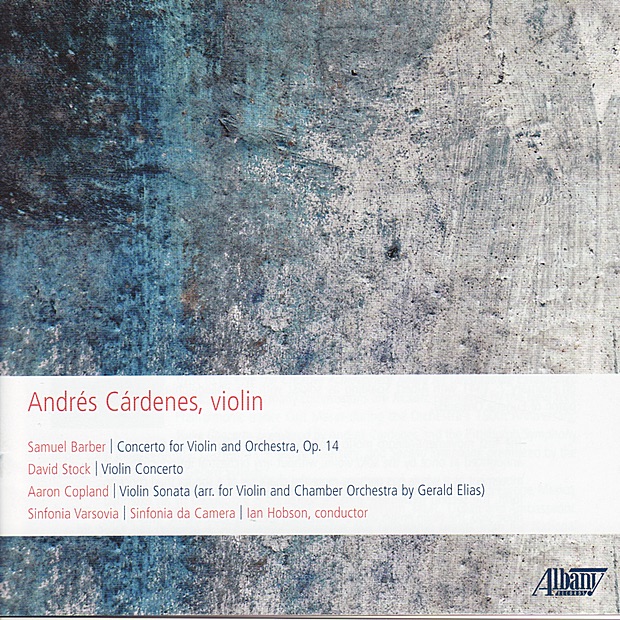
-
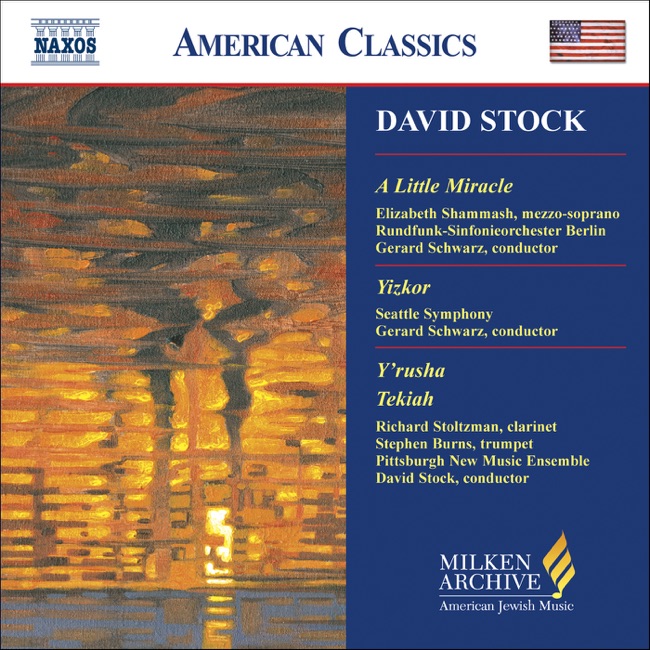
-
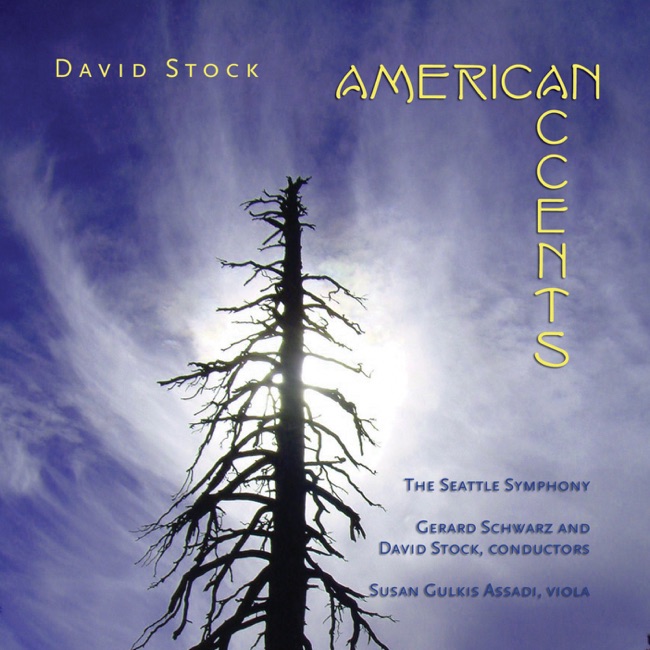 April 27, 2004
Chamber
-
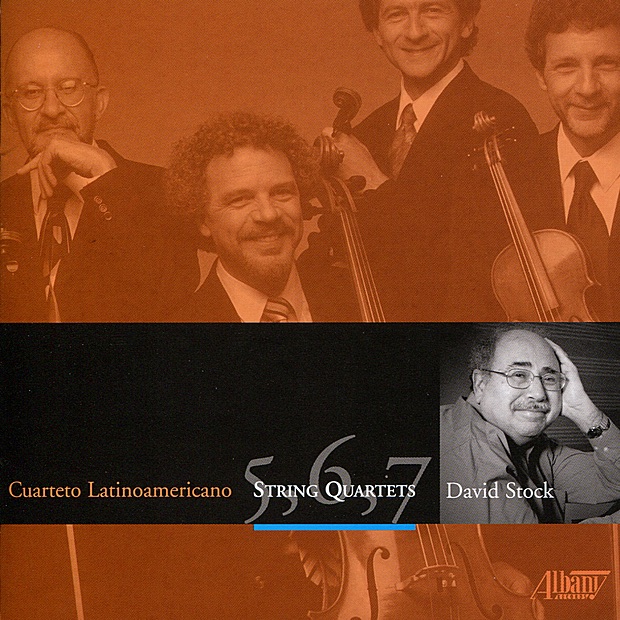 May 11, 2010
 -
 October 6, 2009
 -
 December 3, 2002
 -
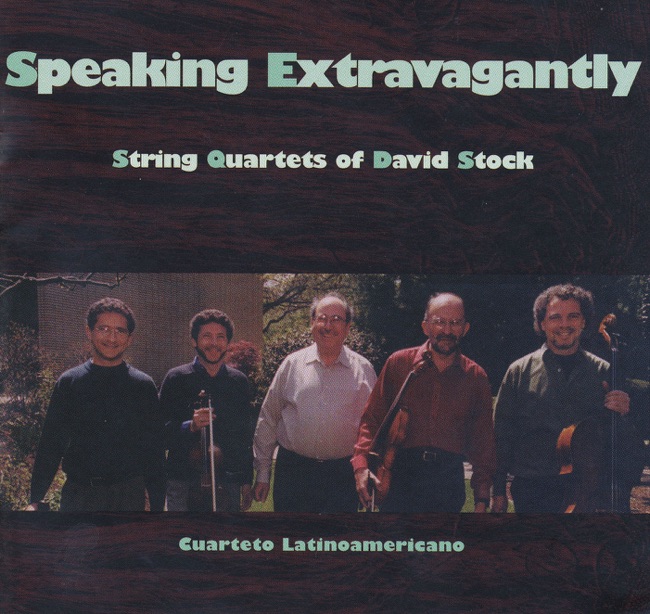 March 5, 2002
 -
 February 27, 2001
Artist Info
Role:Composer ConductorBirth:November 11, 1872 in JülichDeath:October 20, 1942Period:ContemporaryGenre:ChamberOrchestralDavid Frederick Stock was an American composer and conductor who was born on November 2, 1939, in Pittsburgh, Pennsylvania. He was the son of a music teacher and grew up in a musical family. His father was a violinist and his mother was a pianist, and they both encouraged him to pursue a career in music. Stock began his musical education at an early age, studying piano and violin. He later attended the Carnegie Mellon University in Pittsburgh, where he earned a Bachelor of Fine Arts degree in composition. He then went on to study at the University of Michigan, where he earned a Master of Music degree in composition. After completing his studies, Stock began his career as a composer and conductor. He held positions as the music director of the Pittsburgh New Music Ensemble and the Pittsburgh Youth Symphony Orchestra. He also served as the composer-in-residence for the Pittsburgh Symphony Orchestra. Stock's music is known for its use of traditional forms and techniques, as well as its incorporation of contemporary elements. He was particularly interested in exploring the possibilities of electronic music, and he often incorporated electronic sounds into his compositions. One of Stock's most famous works is his Symphony No. 1, which was premiered by the Pittsburgh Symphony Orchestra in 1976. The symphony is known for its use of electronic sounds, which are used to create a sense of space and depth in the music. The symphony is also notable for its use of traditional forms, such as the sonata form, which Stock used to structure the work. Another notable work by Stock is his Concerto for Violin and Orchestra, which was premiered by the Pittsburgh Symphony Orchestra in 1980. The concerto is known for its use of virtuosic violin writing, as well as its incorporation of electronic sounds. The work is also notable for its use of traditional forms, such as the rondo form, which Stock used to structure the work. In addition to his work as a composer, Stock was also a respected conductor. He conducted many orchestras throughout his career, including the Pittsburgh Symphony Orchestra, the New York Philharmonic, and the Chicago Symphony Orchestra. Stock was also a respected educator, and he held positions at several universities throughout his career. He taught at the University of Pittsburgh, the University of Michigan, and the University of Texas at Austin. He was also a visiting professor at several other universities, including the University of California, Berkeley, and the University of Iowa. Throughout his career, Stock received many awards and honors for his work as a composer and conductor. He was awarded the Guggenheim Fellowship in 1972, and he was inducted into the American Academy of Arts and Letters in 1992. He was also awarded the Pittsburgh Cultural Trust's Creative Achievement Award in 2001. David Frederick Stock passed away on November 2, 2015, at the age of 76. He left behind a legacy of innovative and influential music, as well as a reputation as one of the most important American composers of the 20th century.More....
Recent Artist Music
1
8:12


5
4:56
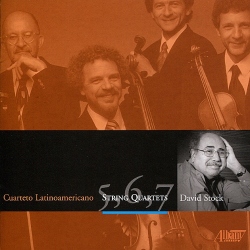
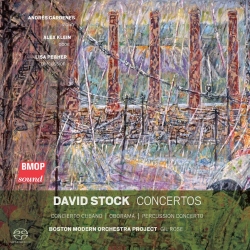
11

19:37
12
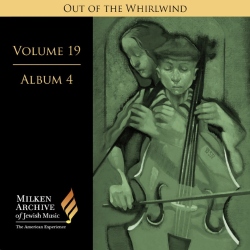
30:12
13
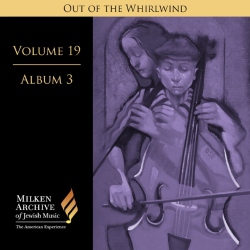
10:12
Copyright Ⓒ 2013 Davinci Finger. All rights reseved
Service Terms & Policy