


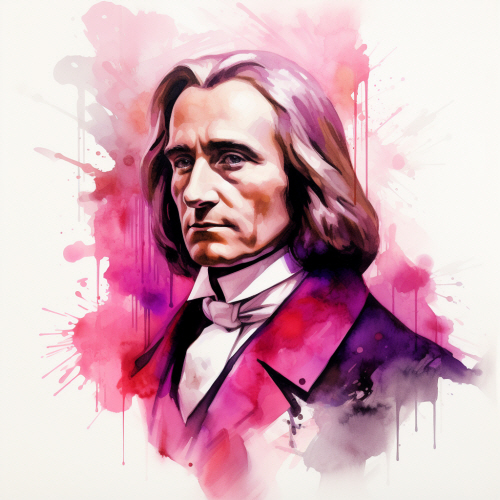
Franz Liszt
Rigoletto: paraphrase de concert (after Verdi), S. 434
Released Album
Recent Album
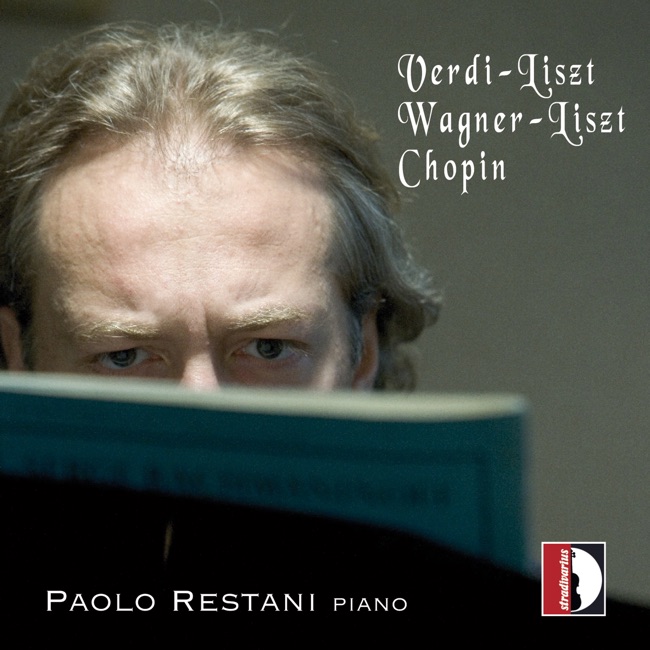
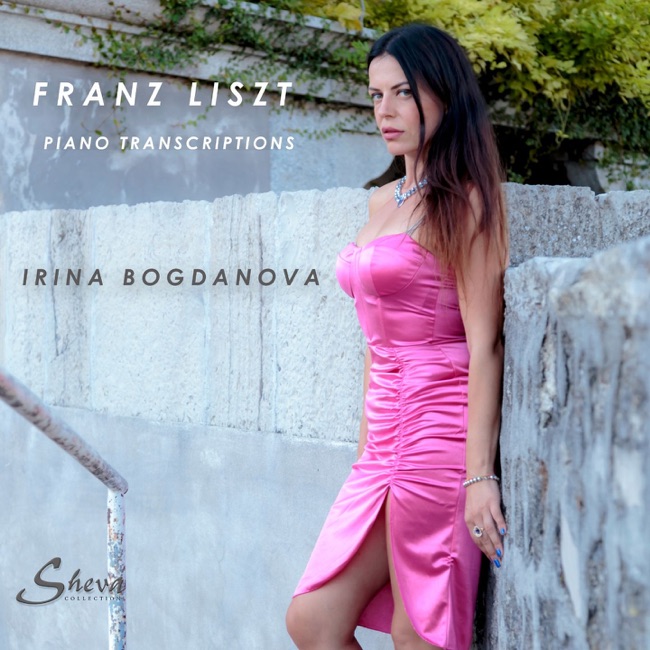
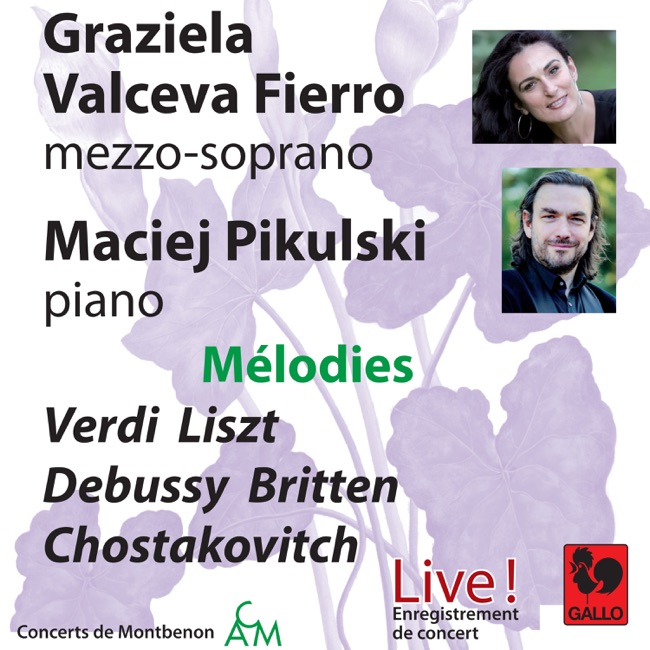
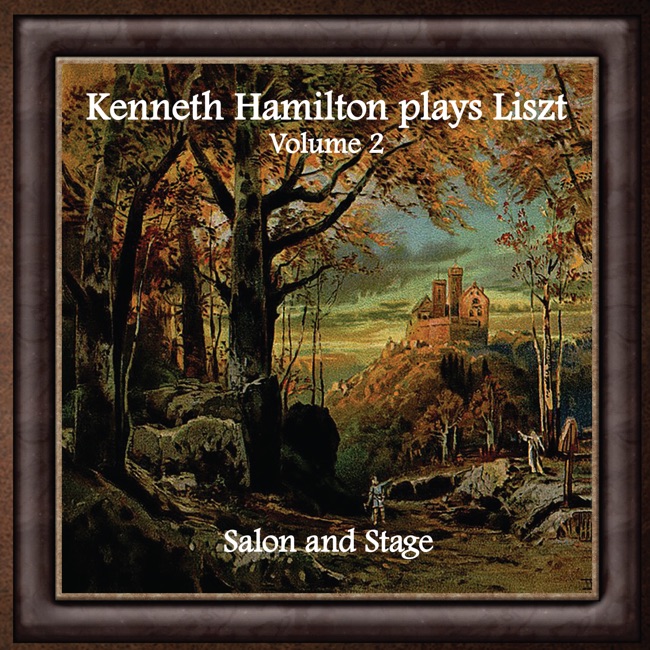

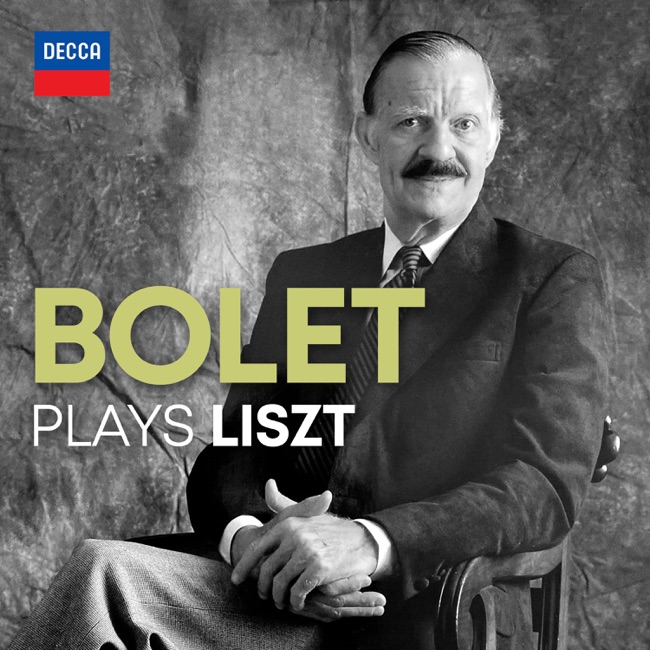
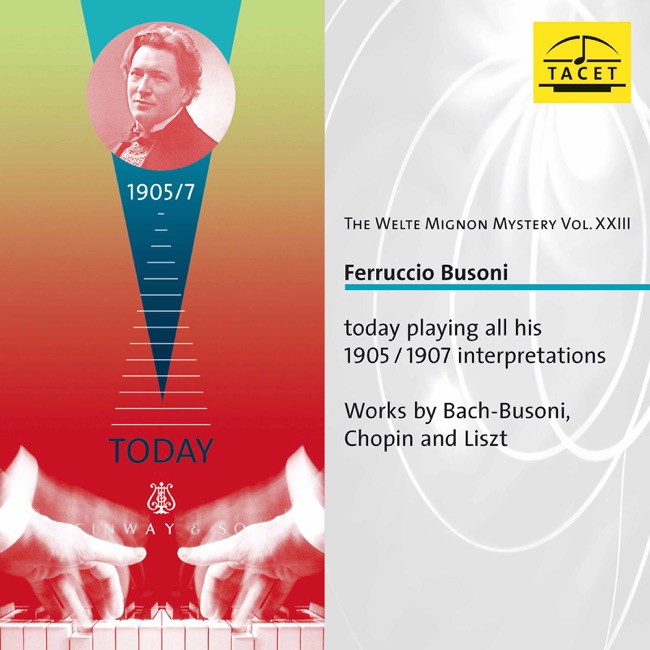
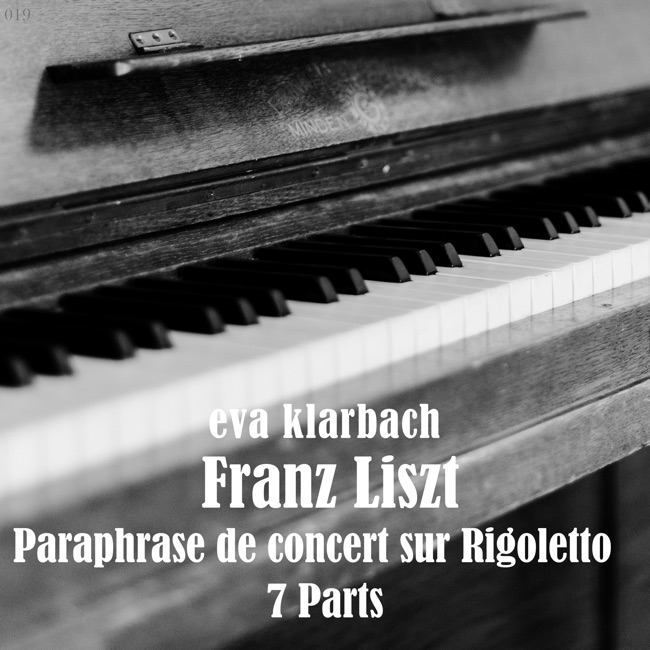
Featured Album
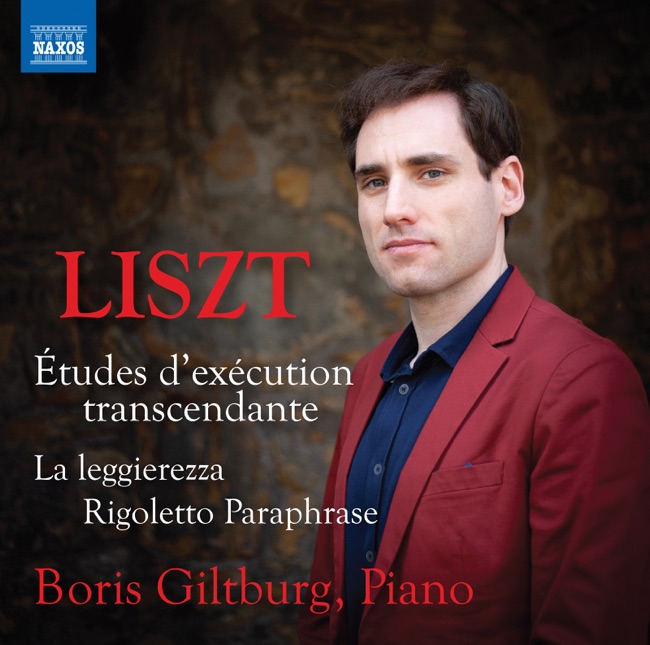
Works Info
Composer:Franz LisztGenre:KeyboardStyle:TranscriptionCompose Date:1859Publication Date:1860Average_duration:7:03Franz Liszt's "Rigoletto: paraphrase de concert (after Verdi), S. 434" is a virtuosic piano transcription of themes from Giuseppe Verdi's opera "Rigoletto." Liszt composed the piece in 1859, and it premiered in the same year in Weimar, Germany. The piece is divided into four movements, each of which is based on a different theme from the opera. The first movement, "Prelude," sets the stage with a dramatic introduction that features the famous "La donna è mobile" melody. The second movement, "Canzone," is a lyrical and expressive rendition of the aria "Caro nome." The third movement, "Scherzo," is a playful and virtuosic take on the quartet "Bella figlia dell'amore." The final movement, "Finale," brings the piece to a thrilling conclusion with a grandiose rendition of the opera's final scene. Liszt's "Rigoletto" paraphrase is characterized by its technical demands and its ability to capture the drama and emotion of Verdi's opera. The piece requires a high level of virtuosity from the performer, with rapid runs, arpeggios, and octave passages throughout. At the same time, Liszt's transcription is also highly expressive, with a wide range of dynamics and tempos that capture the emotional intensity of Verdi's music. Overall, Liszt's "Rigoletto: paraphrase de concert (after Verdi), S. 434" is a masterful transcription that showcases both the technical and emotional capabilities of the piano. Its premiere in 1859 was met with great acclaim, and it remains a popular and challenging piece for pianists to this day.More....
Works Music
Released Music
1
7:29
2
7:46
3
7:4
4
Rigoletto: paraphrase de concert (after Verdi), p. 434
Concert Paraphrase on Rigoletto (after Verdi), S.434
7:7

7
7:31
8

6:10
9

7:16
Featured Music
1
6:58
3
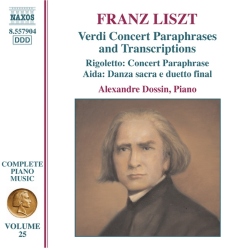
7:39
4
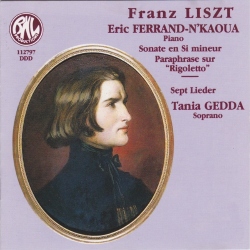
6:52
5
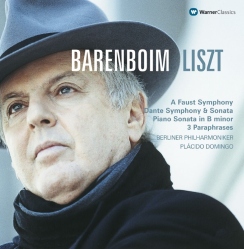
Rigoletto: paraphrase de concert (after Verdi), p. 434
Rigoletto: Paraphrase de concert, S 434
7:24
6
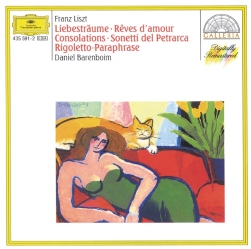
Rigoletto: paraphrase de concert (after Verdi), p. 434
Concert Paraphrase on Rigoletto, S.434 after Verdi's opera
7:31
7
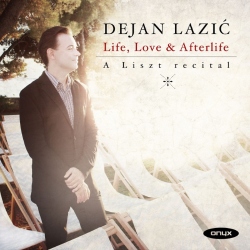
Rigoletto: paraphrase de concert (after Verdi), p. 434
Concert Paraphrase S.434 after Verdi's Rigoletto
6:55
8
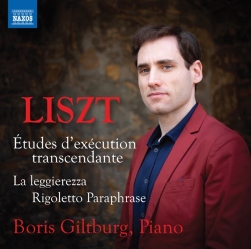
Rigoletto: paraphrase de concert (after Verdi), p. 434
Paraphrase de concert sur Rigoletto (Verdi), S434/R267
7:53

Main Perform Artists
Piano
Piano
Piano
Piano
Piano
Piano
Piano
Piano
Piano
Piano
Piano
Piano