


Claude Debussy
Syrinx, L. 129
Released Album
Recent Album
-

-

-

-
-
 Jesús ZájaraApril 1, 2024
 -

-

-
-

-
-
-

Featured Album
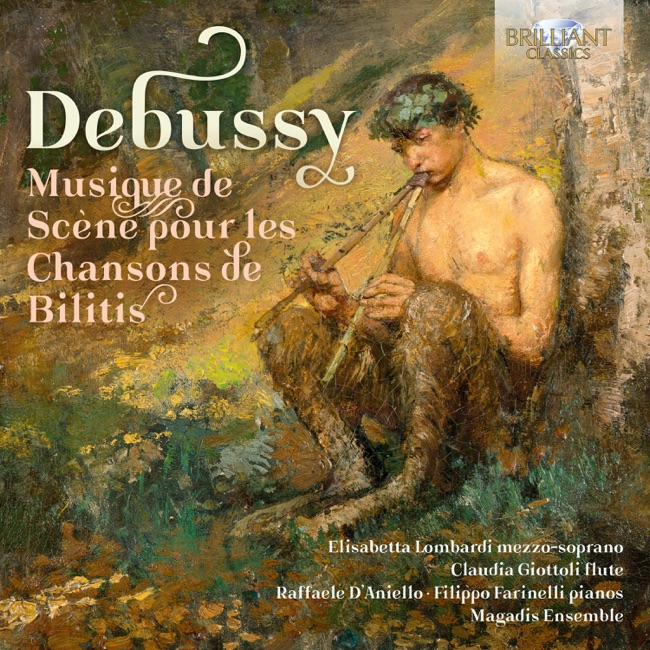
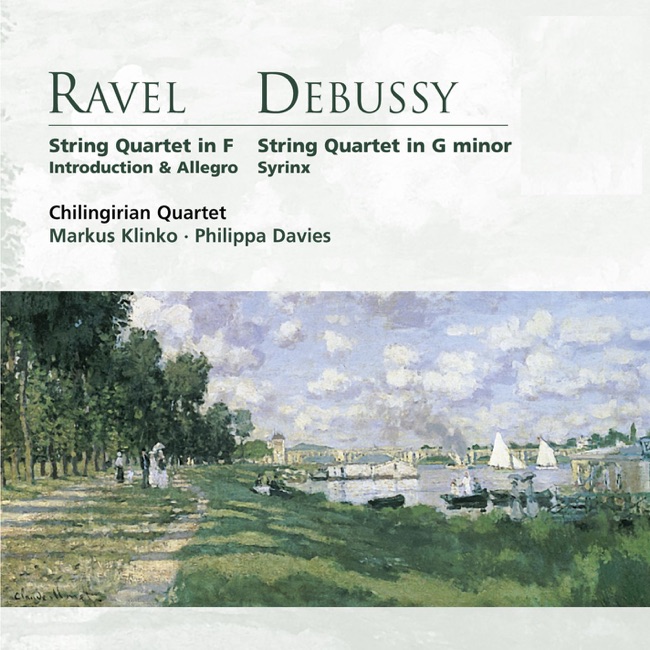
Works Info
Composer:Claude DebussyGenre:ChamberStyle:SoloCompose Date:1913Average_duration:2:51Claude Debussy's Syrinx, L. 129 is a solo flute piece composed in 1913. It was premiered by the French flautist Louis Fleury in Paris on November 29, 1913. The piece is named after the Greek mythological character Syrinx, who was transformed into a reed by the river god Pan to escape his advances. The piece is also sometimes referred to as La Flûte de Pan. Syrinx is a single-movement work that lasts approximately three minutes. It is written in a free, improvisatory style, with no bar lines or time signatures. The piece is marked by Debussy's characteristic use of impressionistic harmonies and fluid, expressive melodies. The flute is used to create a range of textures and effects, from delicate, ethereal passages to more forceful, percussive sounds. The piece begins with a series of fluttering, trilling notes that gradually coalesce into a more defined melody. The flute then explores a range of different timbres and techniques, including flutter-tonguing, glissandi, and multiphonics. The middle section of the piece features a more lyrical melody, which is then interrupted by a series of rapid, staccato notes. The piece ends with a return to the opening material, with the flute gradually fading away into silence. Syrinx is considered a landmark work in the flute repertoire, and has been widely performed and recorded by flautists around the world. Its expressive, improvisatory style and innovative use of the flute have made it a favorite of both performers and audiences alike.More....
Works Music
Released Music







Featured Music
2
2:39
5
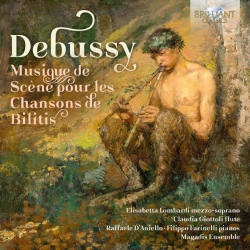
Syrinx, L.129
La Flûte de Pan (Syrinx), original version for flute and narrators incidental music
5:14








Main Perform Artists
Flute
Flute
Flute
Flute
Flute
Flute
Flute
Flute
Flute
Flute
Harp
Flute
Piano
Flute