


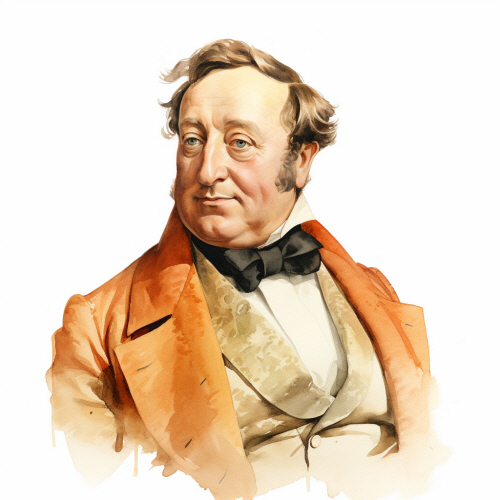
Gioachino Rossini
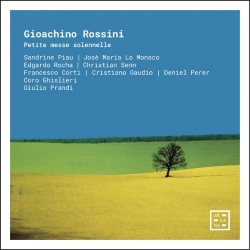
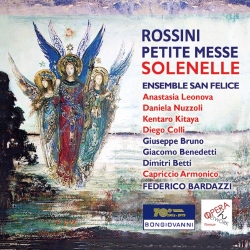
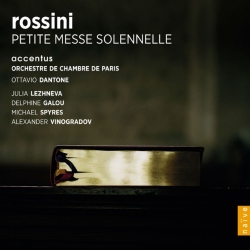
Petite messe solennelle
Released Album
Recent Album
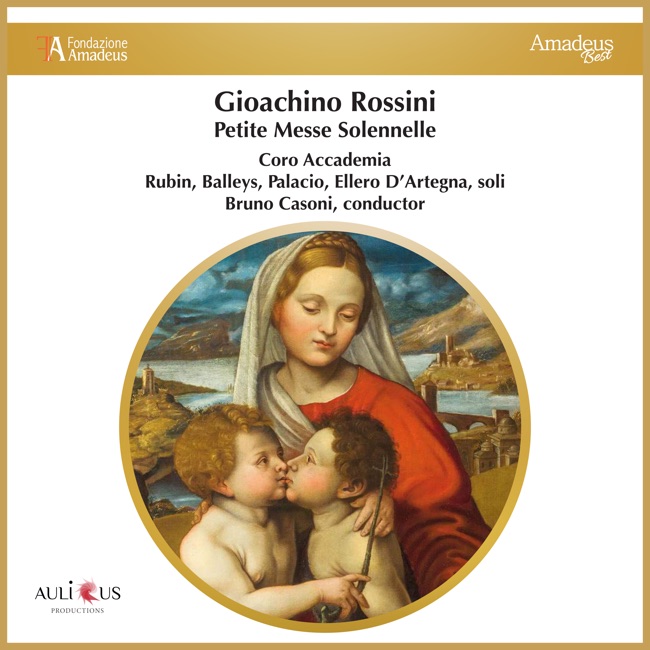
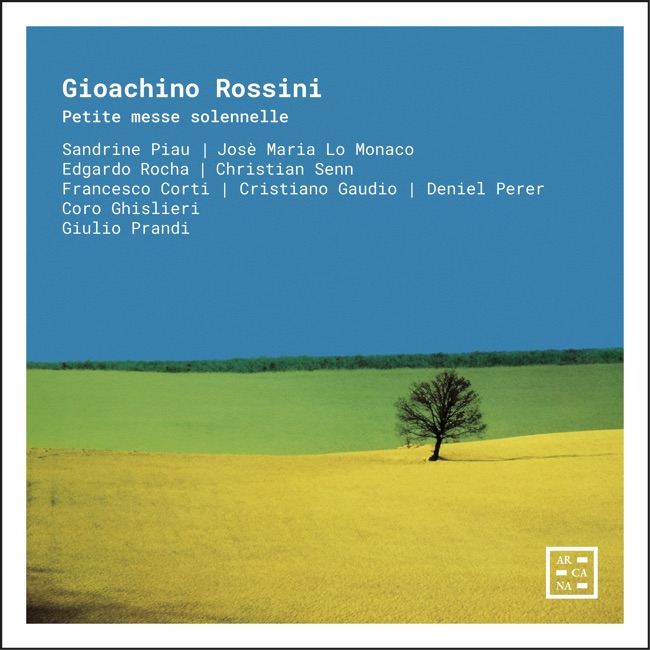
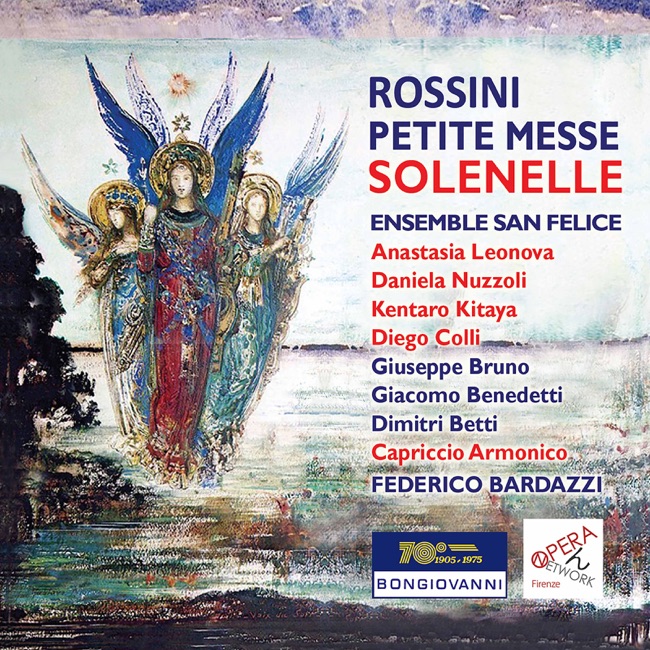
Featured Album
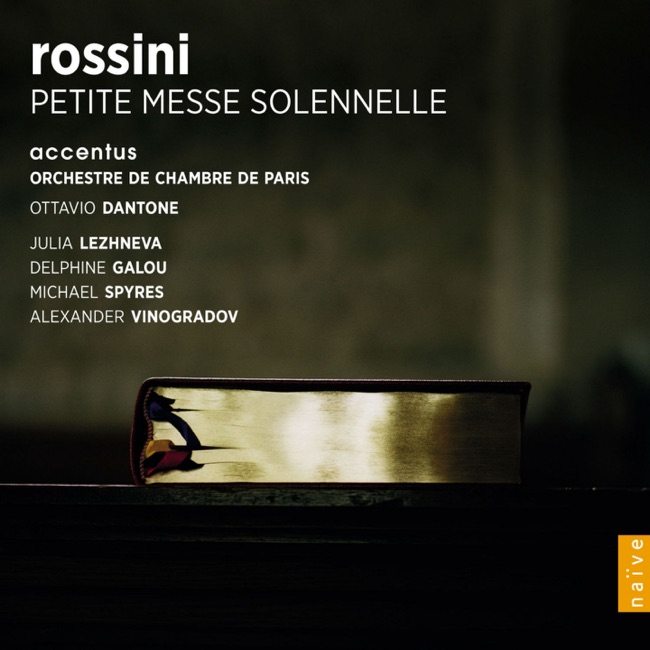
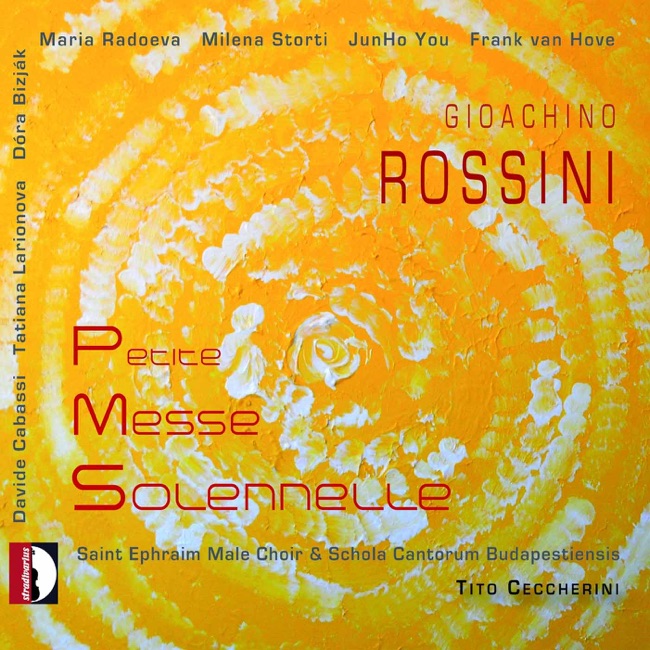
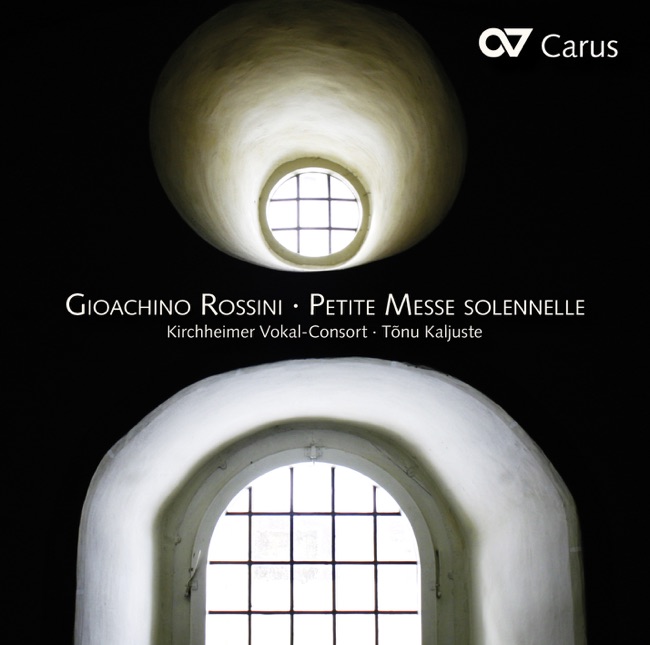
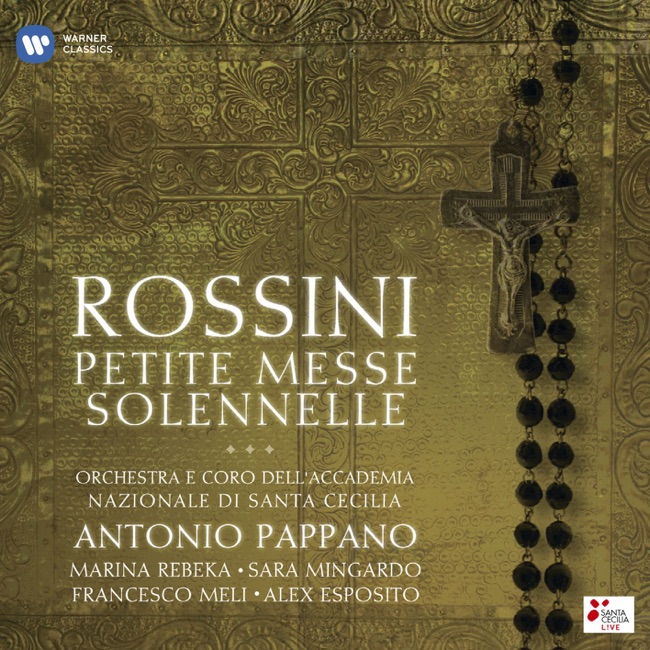
Works Info
Composer:Gioachino RossiniGenre:ChoralStyle:MassCompose Date:1863Average_duration:76:54Movement_count:14Movement ....Gioachino Rossini's 'Petite messe solennelle' is a sacred work for choir, soloists, and two pianos. It was composed between 1863 and 1864, and premiered on March 14, 1864, at the private chapel of the Countess Louise Pillet-Will in Paris. The work is divided into fourteen movements, and its duration is approximately 90 minutes. The 'Petite messe solennelle' is characterized by its intimate and personal nature, as well as its use of operatic techniques and influences. Rossini himself described the work as "the last of my sins of old age." The work is also notable for its use of two pianos instead of an orchestra, which was a practical decision due to the limited resources available to Rossini at the time. The first movement, 'Kyrie', begins with a solemn and prayerful choral introduction, followed by a fugue that showcases Rossini's skill in counterpoint. The second movement, 'Gloria', is a lively and joyful celebration of God's glory, featuring soloists and choir in a call-and-response style. The third movement, 'Gratias agimus tibi', is a duet for soprano and tenor, accompanied by the pianos. It is a tender and expressive piece that showcases Rossini's gift for melody. The fourth movement, 'Domine Deus', is a solo for soprano, accompanied by the pianos. It is a lyrical and expressive piece that highlights the beauty of the soprano voice. The fifth movement, 'Qui tollis peccata mundi', is a choral piece that begins with a mournful and introspective introduction, followed by a fugue that builds to a powerful climax. The sixth movement, 'Quoniam tu solus sanctus', is a duet for bass and tenor, accompanied by the pianos. It is a lively and energetic piece that showcases Rossini's skill in writing for voices. The seventh movement, 'Cum Sancto Spiritu', is a choral fugue that builds to a triumphant conclusion. The eighth movement, 'Credo', is a complex and challenging piece that features soloists and choir in a variety of textures and styles. The ninth movement, 'Preludio religioso', is a short instrumental piece that serves as an interlude between the Credo and the Sanctus. The tenth movement, 'Sanctus', is a choral piece that begins with a solemn and prayerful introduction, followed by a fugue that builds to a powerful climax. The eleventh movement, 'O salutaris hostia', is a solo for soprano, accompanied by the pianos. It is a tender and expressive piece that showcases the beauty of the soprano voice. The twelfth movement, 'Agnus Dei', is a choral piece that begins with a mournful and introspective introduction, followed by a fugue that builds to a powerful climax. The thirteenth movement, 'Communion', is a short instrumental piece that serves as an interlude between the Agnus Dei and the final movement. The fourteenth and final movement, 'Domine salvum fac', is a choral piece that begins with a solemn and prayerful introduction, followed by a fugue that builds to a triumphant conclusion. Overall, Rossini's 'Petite messe solennelle' is a deeply personal and expressive work that showcases his skill in writing for voices and his unique blend of sacred and operatic styles. Its use of two pianos instead of an orchestra gives it a distinctive sound and character, and its fourteen movements offer a rich and varied musical experience.More....
Works Music
Released Music
Featured Music


Main Perform Artists
Tenor Vocal
Tenor (Vocal)
Piano
Contralto (Vocal)
Choir/Chorus
Bass (Vocal)
Soprano (Vocal)