


Franz Schubert
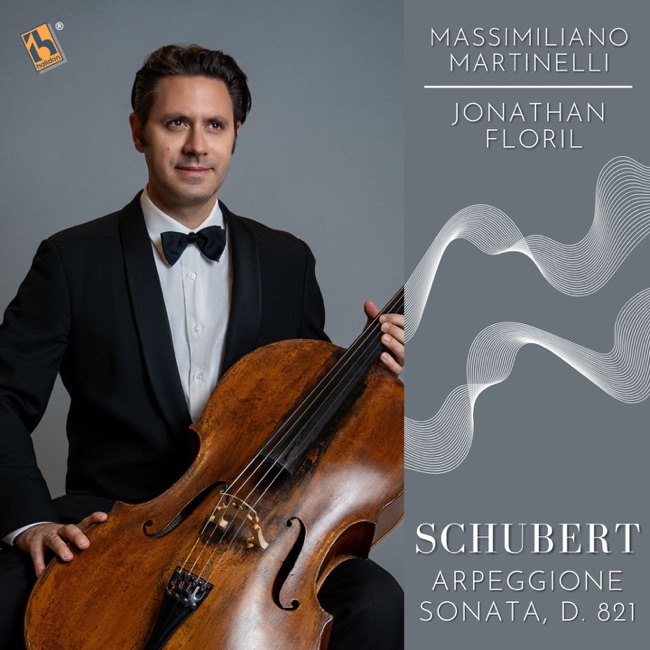
Sonata for arpeggione & piano in A minor "Arpeggione Sonata", D. 821
Released Album
Recent Album

Featured Album
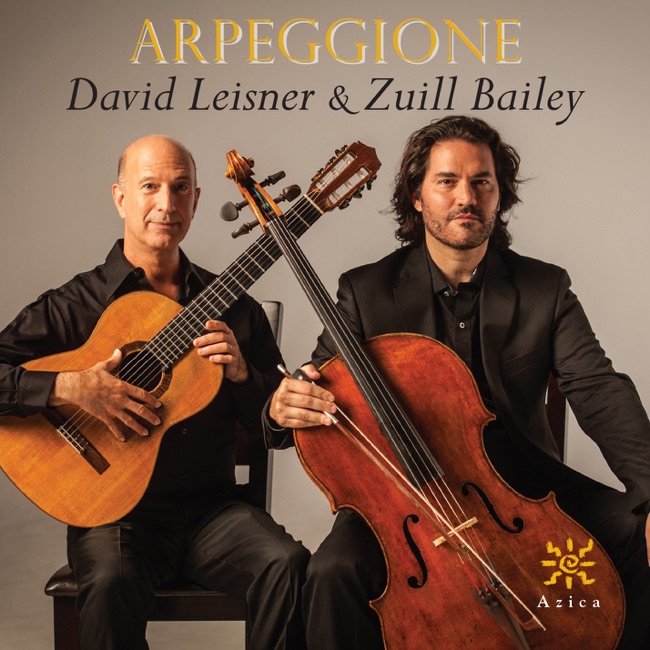
Works Info
Composer:Franz SchubertGenre:ChamberStyle:SonataCompose Date:Nov 1824Average_duration:23:46Movement_count:3Movement ....Franz Schubert's Sonata for Arpeggione and Piano in A minor, D. 821, was composed in 1824. The arpeggione was a now-extinct instrument that was similar to a cello but played with a guitar-like fingerboard and six strings. The piece was written for the arpeggione virtuoso Vincenz Schuster, but the instrument's popularity waned shortly after the sonata's premiere, and it was largely forgotten until the mid-20th century. The sonata is in three movements: I. Allegro moderato II. Adagio III. Allegretto The first movement begins with a melancholy melody played by the arpeggione, accompanied by the piano. The arpeggione's unique sound is immediately apparent, with its plucked strings producing a warm, guitar-like tone. The movement is in sonata form, with a development section that explores the themes introduced in the exposition. The arpeggione and piano engage in a lively dialogue throughout the movement, with each instrument taking turns leading the way. The second movement is a lyrical adagio that showcases the arpeggione's ability to produce long, sustained notes. The piano provides a delicate accompaniment, and the two instruments blend together beautifully. The movement is in ABA form, with the middle section featuring a more agitated melody that provides a contrast to the serene opening and closing sections. The final movement is a lively allegretto that features a playful, dance-like melody. The arpeggione and piano engage in a spirited conversation, with each instrument taking turns playing the melody and providing accompaniment. The movement is in rondo form, with the main theme returning several times throughout the piece. Overall, Schubert's Sonata for Arpeggione and Piano is a beautiful and unique work that showcases the arpeggione's distinctive sound. The piece is characterized by its lyrical melodies, lively dialogues between the arpeggione and piano, and Schubert's signature harmonic language. Despite the arpeggione's short-lived popularity, the sonata remains a beloved work in the cello repertoire and is often performed on other instruments, such as the viola or guitar.More....
Works Music
Released Music
1
3:54

8
10:27
Featured Music
2
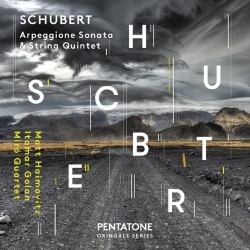
4:37
3
9:46
5
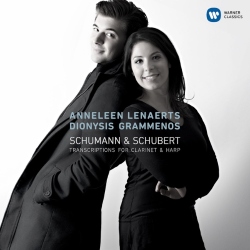
3:40
6
8:31
8
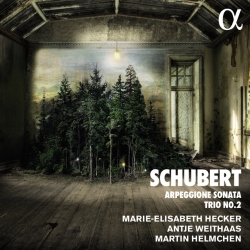
4:4
9
9:3
11
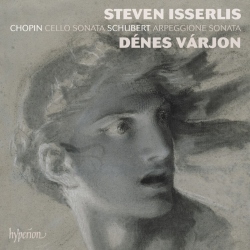
4:31
12
9:28
Recommend Playlist











Main Perform Artists
Piano
Cello
Cello
Cello
Cello
Cello
Cello
Piano
Viola
Viola
Cello