Antonio Vivaldi
Flute Concerto in G major, RV 436
Released Album
Recent Album
Featured Album
Works Info
Composer:Antonio VivaldiGenre:ConcertoStyle:ConcertoCompose Date:before 1742Average_duration:8:51Movement_count:3Movement ....Antonio Vivaldi's Flute Concerto in G major, RV 436, is a Baroque concerto for solo flute and orchestra. It was composed in the early 18th century and is one of Vivaldi's most popular works for the flute. The concerto is made up of three movements and is characterized by its virtuosic solo passages and lively rhythms. The Flute Concerto in G major, RV 436, was composed by Vivaldi in the early 1700s. The exact date of composition is unknown, but it is believed to have been written between 1717 and 1720. The concerto was likely composed for the Ospedale della Pietà, a Venetian orphanage for girls where Vivaldi worked as a music teacher and composer. The concerto premiered in Venice, likely at the Ospedale della Pietà, although the exact date of the premiere is unknown. The concerto was likely performed by one of Vivaldi's students, who would have been a talented young flutist from the orphanage. The Flute Concerto in G major, RV 436, is made up of three movements: Allegro, Largo, and Allegro. The first movement is a lively Allegro in 3/8 time. It begins with a bright and cheerful orchestral introduction, which is followed by the solo flute's virtuosic entrance. The solo flute plays a series of fast and intricate runs, which are interspersed with brief pauses for the orchestra to respond. The movement is characterized by its lively rhythms and playful melodies. The second movement is a slow and lyrical Largo in 4/4 time. The solo flute plays a beautiful and expressive melody, which is accompanied by the orchestra's gentle and understated harmonies. The movement is characterized by its graceful and elegant melodies, which showcase the flute's ability to produce a wide range of expressive tones. The third movement is a fast and lively Allegro in 3/8 time. It begins with a lively orchestral introduction, which is followed by the solo flute's virtuosic entrance. The movement is characterized by its fast and intricate runs, which are played with great energy and precision by the soloist. The movement ends with a lively and joyful coda, which brings the concerto to a thrilling conclusion. Overall, the Flute Concerto in G major, RV 436, is a virtuosic and lively work that showcases the flute's expressive capabilities. Its three movements are characterized by their lively rhythms, graceful melodies, and virtuosic solo passages, making it a popular work for flutists and audiences alike.More....
Works Music
Released Music
8
8:39
9
2:56
Featured Music
1
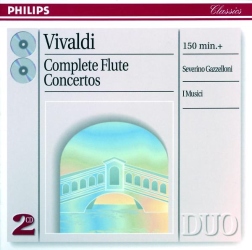
3:33
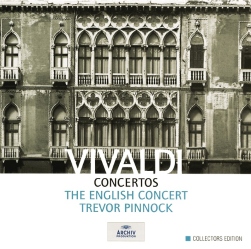
7
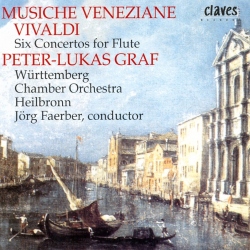
3:20
8
2:47
9
2:46