


Wolfgang Amadeus Mozart
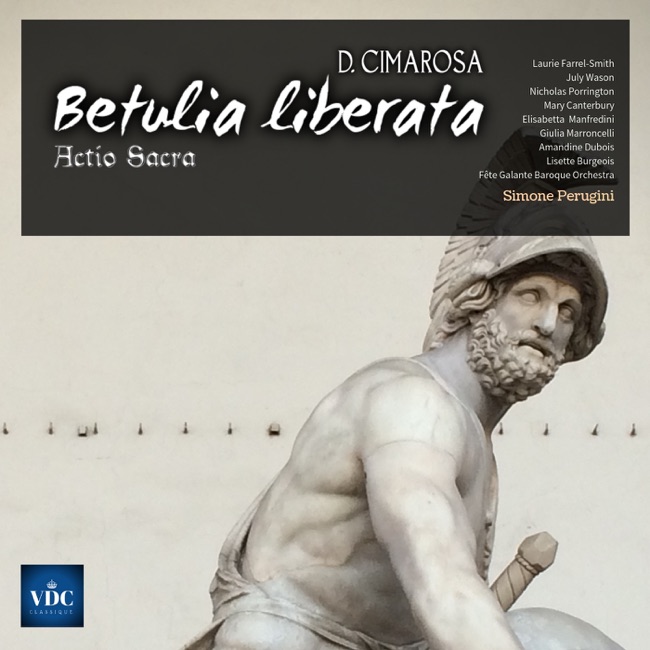
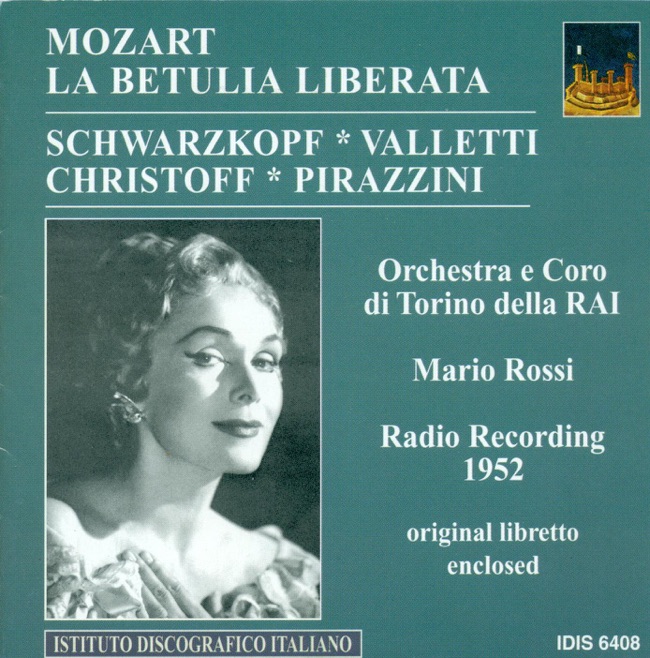
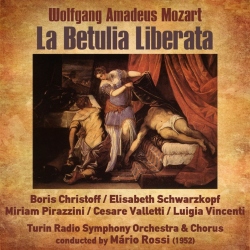
La Betulia liberata, K. 118 (74c)
Released Album
Recent Album
-
-
-
-
-
-
-
-
-
-
-
-
 Various ArtistsNovember, 2000
Featured Album
Works Info
Composer:Wolfgang Amadeus MozartGenre:ChoralStyle:OratorioCompose Date:1771Average_duration:123:44Movement_count:16Movement ....La Betulia liberata, K. 118 (74c) is an oratorio composed by Wolfgang Amadeus Mozart in 1771. The oratorio was commissioned by the Archbishop of Salzburg, Hieronymus von Colloredo, for the celebration of the Feast of the Assumption of the Virgin Mary. The libretto was written by Pietro Metastasio, a prominent Italian poet and librettist of the time. The oratorio is divided into two parts, each consisting of several movements. The first part depicts the siege of the city of Bethulia by the Assyrian army, and the second part portrays the liberation of the city by the Jewish heroine Judith. The first part of the oratorio begins with an overture in the typical Italian style, followed by a chorus of the Assyrian soldiers. The soloists then enter, portraying the characters of Ozias, the leader of the Jewish people, and Achior, the captain of the Assyrian army. The first part ends with a chorus of the Jewish people, praying for deliverance from their enemies. The second part of the oratorio begins with a chorus of the Assyrian soldiers, celebrating their victory over the Jewish people. The soloists then enter, portraying the characters of Judith and Holofernes, the commander of the Assyrian army. Judith seduces Holofernes and then beheads him, leading to the liberation of the city of Bethulia. The oratorio ends with a chorus of the Jewish people, praising God for their deliverance. The music of La Betulia liberata is characterized by Mozart's mastery of the Italian style, with its clear melodies, expressive harmonies, and virtuosic vocal writing. The oratorio also features a variety of musical forms, including arias, duets, trios, and choruses, as well as instrumental interludes and recitatives. La Betulia liberata premiered on August 3, 1771, at the Salzburg Cathedral, with Mozart conducting from the harpsichord. The oratorio was well-received by the audience and established Mozart's reputation as a composer of sacred music.More....
Works Music
Released Music
3
5:13
6
42:42
Featured Music
1
4:1
2
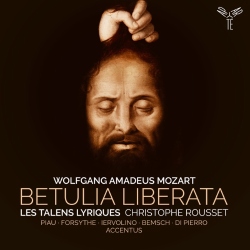
The Betulia liberata, K. 118 (74c)
Parte Prima: Recitativo: Popoli di Betulia, ah qual v'ingombra
51
Main Perform Artists
Cello
Harpsichord
Tenor Vocal
Soprano Vocal
Soprano Vocal
Contralto Vocal
Bass Vocal
Soprano Vocal
Vocals