


Johann Sebastian Bach
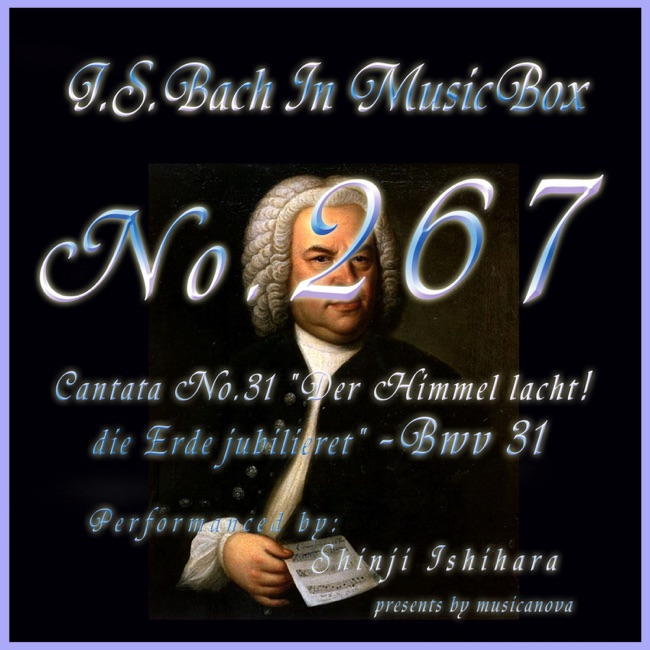
Cantata No. 31, "Der Himmel lacht! die Erde jubilieret", BWV 31
Released Album
Recent Album

Featured Album
Works Info
Composer:Johann Sebastian BachGenre:ChoralStyle:CantataCompose Date:Apr 21, 1715Publication Date:1857First Performance:Apr 21, 1715Average_duration:21:41Movement_count:9Movement ....Johann Sebastian Bach composed Cantata No. 31, Der Himmel lacht! die Erde jubilieret, BWV 31, in 1715 for the Easter Sunday celebration. The cantata is divided into four movements and is scored for four vocal soloists, a four-part choir, and a Baroque orchestra consisting of trumpets, timpani, oboes, strings, and continuo. The first movement, "Der Himmel lacht! die Erde jubilieret," is a joyful chorus that opens with a fanfare-like instrumental introduction. The choir and orchestra then enter with a jubilant melody that celebrates the resurrection of Christ. The movement is characterized by its lively tempo, intricate counterpoint, and use of trumpets and timpani to create a festive atmosphere. The second movement, "Recitative (Tenor)," is a solo recitative that reflects on the joy and wonder of the resurrection. The tenor sings of the "heavenly light" that shines upon the earth and the "glorious day" that has dawned with Christ's triumph over death. The movement is accompanied by a simple continuo line that emphasizes the soloist's words. The third movement, "Aria (Bass)," is a solo aria that expresses the believer's gratitude for Christ's sacrifice. The bass sings of the "priceless gift" of salvation and the "eternal life" that awaits those who believe. The movement is characterized by its slow tempo, expressive melody, and use of oboes and strings to create a mournful yet hopeful mood. The final movement, "Chorale," is a four-part chorale that concludes the cantata with a hymn of praise. The choir sings of the "eternal light" that shines upon the faithful and the "heavenly peace" that Christ has brought to the world. The movement is characterized by its simple harmonies, homophonic texture, and use of trumpets and timpani to create a triumphant finale. Overall, Cantata No. 31 is a masterful work that showcases Bach's skill as a composer and his deep faith as a Christian. The cantata's joyful and celebratory tone reflects the joy and hope of the Easter season, while its intricate counterpoint and expressive melodies demonstrate Bach's mastery of Baroque music.More....
Works Music
Released Music
1
Cantata no. 31, "Heaven laughs! the earth rejoices", BWV 31
Cantata 'Der Himmel lacht! Die Erde jubilieret
2:26
2

2:18
3
2:18
4
2:18
5

2:18
6
Cantata no. 31, "Heaven laughs! the earth rejoices", BWV 31
8. Air. Letzte stunde, brich herein
3:43
7
Cantata no. 31, "Heaven laughs! the earth rejoices", BWV 31
II. Chorus 'Der Himmel lacht! die Erde jubilieret'
4:7
8

Cantata no. 31, "Heaven laughs! the earth rejoices", BWV 31
VIII. Letzte Stunde, brich herein
3:49
9
Cantata no. 31, "Heaven laughs! the earth rejoices", BWV 31
VIII. Aria. Letzte Stunde, Brich Herein
3:42
10
Cantata no. 31, "Heaven laughs! the earth rejoices", BWV 31
No. 8, Letzte Stunde, brich herein
4:24
Featured Music
1
3:19
2
Cantata no. 31, "Heaven laughs! the earth rejoices", BWV 31
Coro. Der Himmel lacht! die Erde jubilieret
4:7
3
Cantata no. 31, "Heaven laughs! the earth rejoices", BWV 31
Recitativo. Erwünschter Tag! sei, Seele, wieder froh
2:5
4
Cantata no. 31, "Heaven laughs! the earth rejoices", BWV 31
Aria. Fürst des Lebens, starker Streiter
2:25
5
Cantata no. 31, "Heaven laughs! the earth rejoices", BWV 31
Recitativo. So stehe dann, du gottergebne Seele
1:8
7
Cantata no. 31, "Heaven laughs! the earth rejoices", BWV 31
Recitativo. Weil denn das Haupt sein Glied
48
8
Cantata no. 31, "Heaven laughs! the earth rejoices", BWV 31
Aria. Letzte Stunde, brich herein
3:49
9
Cantata no. 31, "Heaven laughs! the earth rejoices", BWV 31
Choral. So fahr ich hin zu Jesu Christ
1:4
10
Cantata no. 31, "Heaven laughs! the earth rejoices", BWV 31
Es woll' uns Gott gnädig sein (May God be merciful to us)
9:8
Main Perform Artists
Bass (Vocal)
Soprano (Vocal)