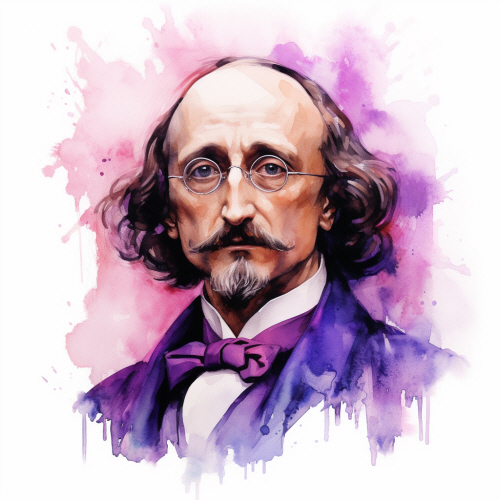
Jacques Offenbach
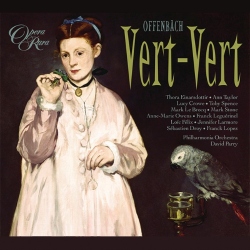
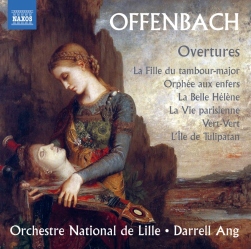
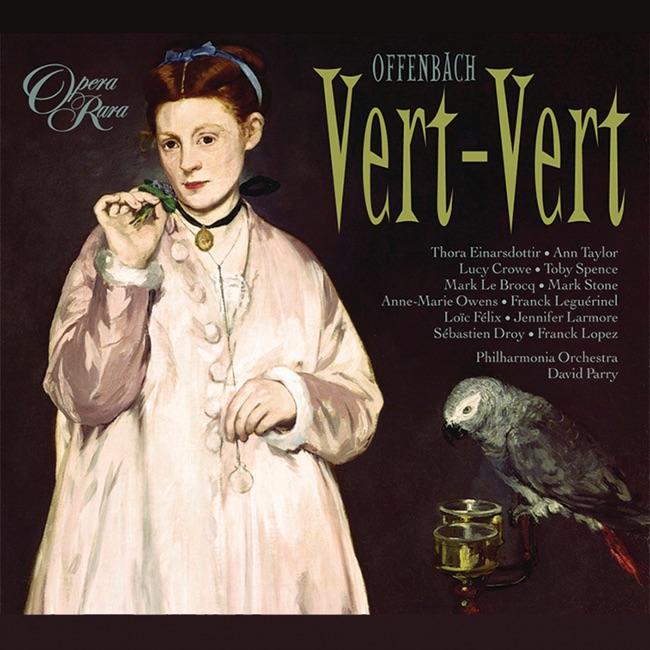
Vert-Vert
Released Album
Recent Album

Featured Album
Works Info
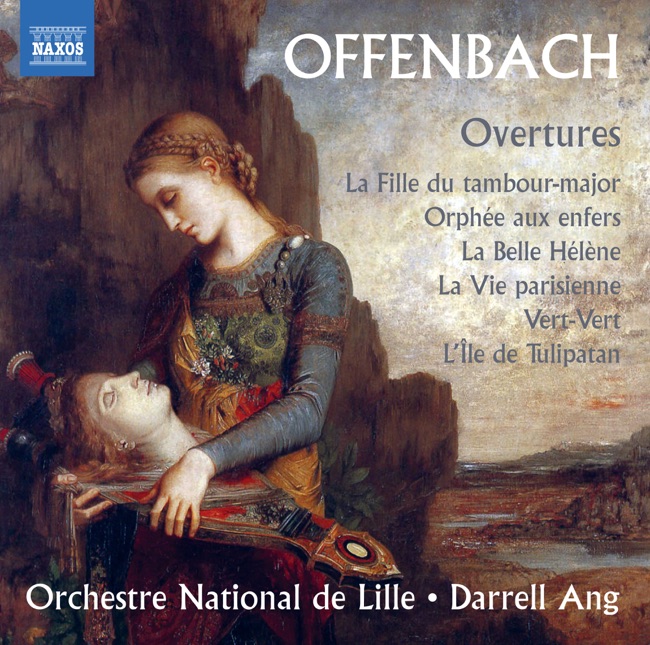
Composer:Jacques OffenbachGenre:OperaStyle:OperettaFirst Performance:1869'Vert-Vert' is an opera composed by Jacques Offenbach, with a libretto by Henri Meilhac and Charles Nuitter. The opera was composed in 1869 and premiered on March 10, 1870, at the Opéra-Comique in Paris. The plot of 'Vert-Vert' revolves around a parrot named Vert-Vert, who is sent to a convent in Nantes to be trained as a singer. The nuns are initially charmed by Vert-Vert's singing, but soon become frustrated with his mischievous behavior. Vert-Vert falls in love with a young woman named Bathilde, who is visiting the convent, but she is already engaged to a man named Valentin. Vert-Vert's attempts to win Bathilde's affections lead to a series of comical misunderstandings and mishaps. The opera is divided into three acts, each with its own set of musical movements. The first act introduces the characters and sets up the plot, with musical numbers such as the opening chorus, "Ah! Quel bonheur d'être oiseau" (Oh! What happiness to be a bird), and Vert-Vert's solo, "Je suis Vert-Vert" (I am Vert-Vert). The second act features a series of comedic scenes, including a duet between Vert-Vert and Bathilde, "Ah! Que j'aime les militaires" (Oh! How I love soldiers), and a quartet between Bathilde, Valentin, and two nuns, "Ah! Quel plaisir d'être en voyage" (Oh! What pleasure to be traveling). The third act brings the plot to a resolution, with musical numbers such as the trio between Vert-Vert, Bathilde, and Valentin, "Ah! Quel bonheur d'être amoureux" (Oh! What happiness to be in love), and the final chorus, "Vive Vert-Vert!" (Long live Vert-Vert!). 'Vert-Vert' is known for its lively and humorous music, which incorporates elements of French operetta and popular song. The opera also features a large ensemble cast, including several comic roles for female singers. Despite its initial success, 'Vert-Vert' fell out of favor in the years following its premiere, and is now rarely performed. However, it remains an important work in Offenbach's oeuvre, and a testament to his skill as a composer of light opera.More....