


Dmitry Shostakovich
Symphony No. 14 In G minor, Op. 135
Released Album
Recent Album
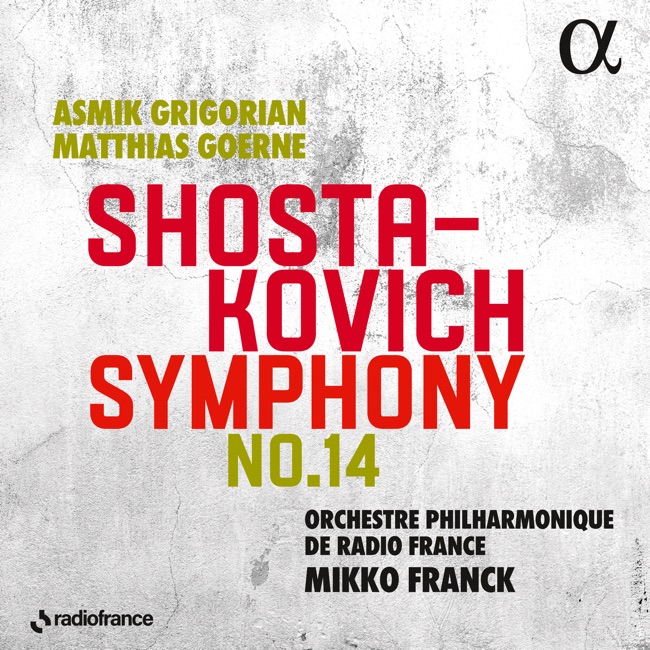
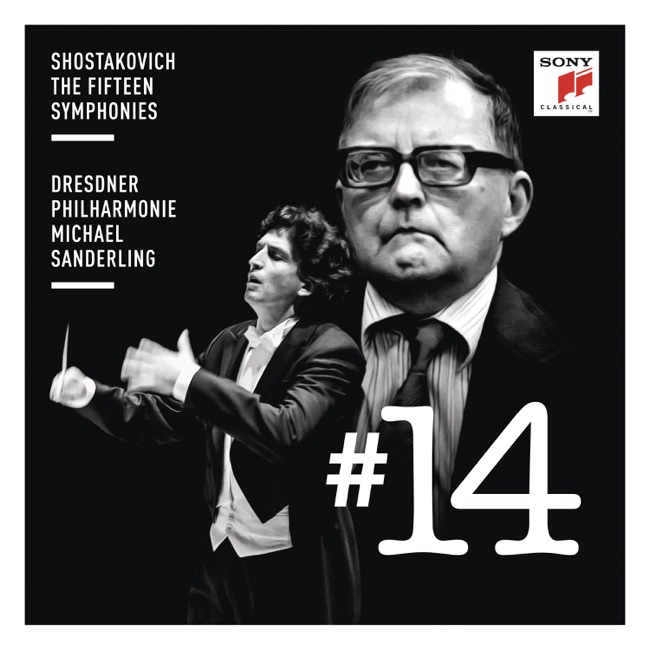
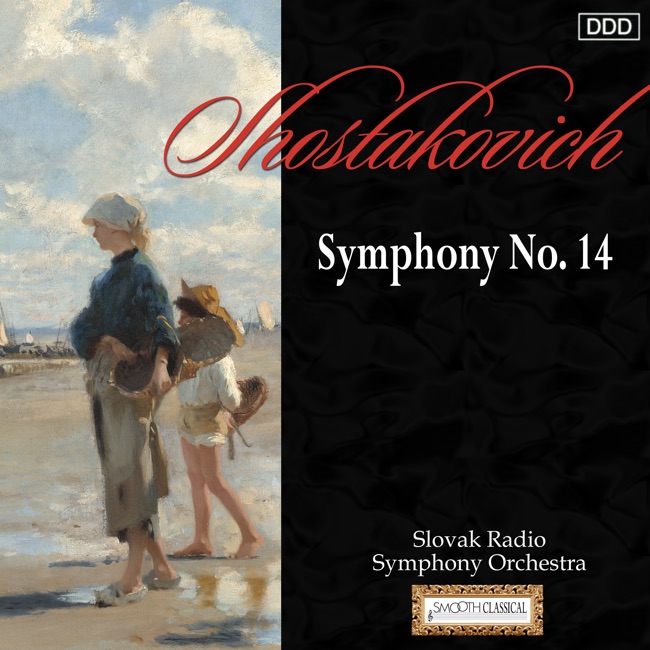
Featured Album
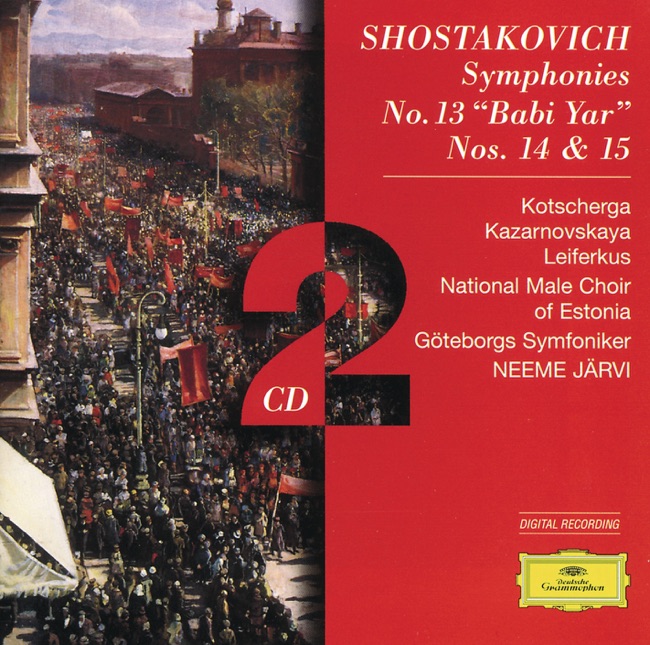
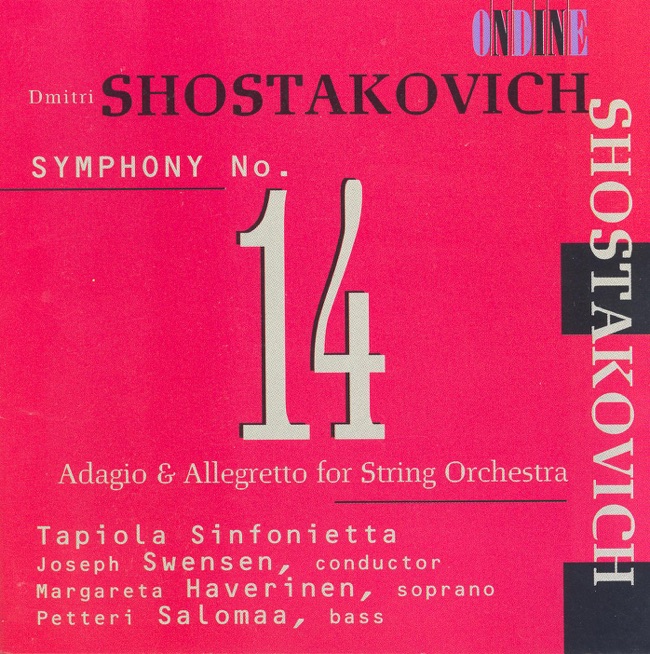
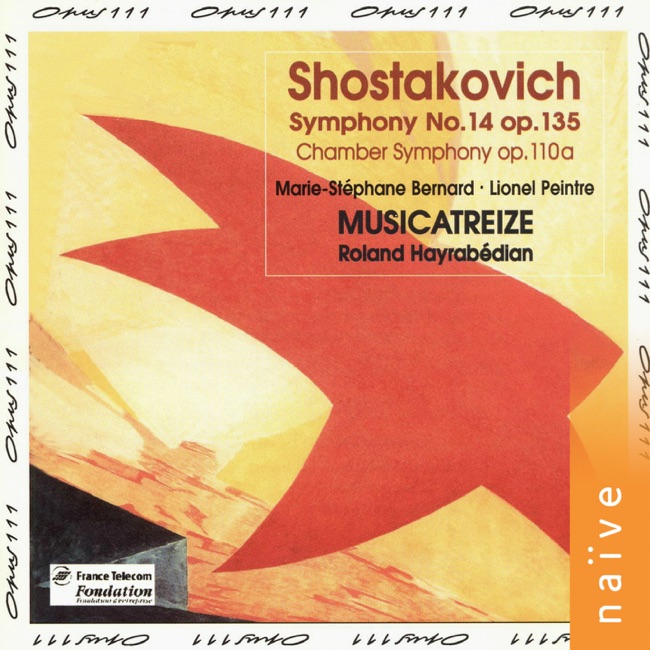
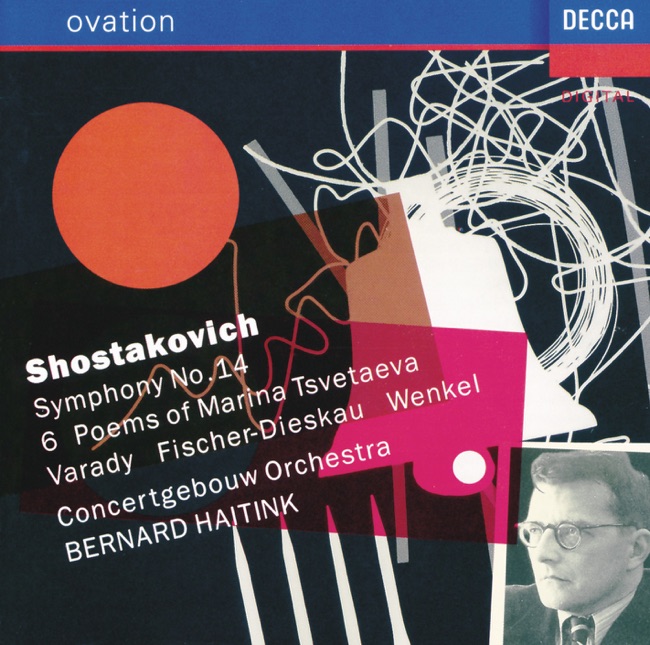
Works Info
Composer:Dmitry ShostakovichGenre:SymphonyStyle:SymphonyCompose Date:1969Average_duration:49:48Movement_count:11Movement ....Symphony No. 14 in G minor, Op. 135, is a work for soprano, bass, and chamber orchestra composed by Dmitry Shostakovich in 1969. The symphony is a cycle of eleven songs, each setting a poem by a different poet, all of whom had died prematurely. The work is scored for soprano, bass, strings, percussion, and woodwinds. The symphony was premiered on September 29, 1969, in Moscow, with Galina Vishnevskaya and Mark Reshetin as soloists, and Rudolf Barshai conducting the Moscow Chamber Orchestra. The work was well-received by critics and audiences alike, and has since become one of Shostakovich's most frequently performed works. The symphony is divided into eleven movements, each of which sets a different poem. The poems are by a variety of poets, including Federico García Lorca, Guillaume Apollinaire, and Rainer Maria Rilke. The themes of the poems are death, love, and the transience of life. The first movement, "De Profundis," sets a poem by Federico García Lorca. The movement is slow and mournful, with the soprano and bass singing in unison. The second movement, "Malagueña," is a lively dance in the style of the Spanish city of Malaga. The third movement, "Lorelei," sets a poem by Heinrich Heine about the legendary siren who lures sailors to their deaths. The fourth movement, "The Suicide," sets a poem by Alexander Blok about a man who takes his own life. The movement is slow and somber, with the soprano and bass singing in unison. The fifth movement, "On Watch," sets a poem by Apollinaire about a soldier on watch duty. The movement is tense and dramatic, with the soprano and bass singing in dialogue. The sixth movement, "Madam, Look!" sets a poem by Apollinaire about a prostitute. The movement is fast and lively, with the soprano and bass singing in dialogue. The seventh movement, "In the Santé Prison," sets a poem by Apollinaire about a prisoner awaiting execution. The movement is slow and mournful, with the soprano and bass singing in unison. The eighth movement, "The Zaporozhian Cossacks' Answer to the Sultan of Constantinople," sets a poem by the Ukrainian poet Yevgeny Yevtushenko. The movement is fast and lively, with the soprano and bass singing in dialogue. The ninth movement, "O Delvig, Delvig!" sets a poem by Pushkin about the death of the poet Anton Delvig. The movement is slow and mournful, with the soprano and bass singing in unison. The tenth movement, "The Death of the Poet," sets a poem by Rilke about the death of a poet. The movement is slow and mournful, with the soprano and bass singing in unison. The final movement, "Conclusion," sets a poem by Apollinaire about the transience of life. The movement is slow and mournful, with the soprano and bass singing in unison. Overall, Symphony No. 14 is a powerful and moving work that explores themes of death, love, and the transience of life. The use of poetry as the basis for the work gives it a deeply emotional and personal quality, and the chamber orchestra instrumentation allows for a more intimate and nuanced expression of these themes.More....
Works Music
Released Music
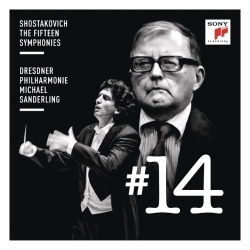
6
Symphony No. 14 In G minor, Op. 135
VIII. Réponse des Cosaques Zaporogues au Sultan de Constantinople
1:52
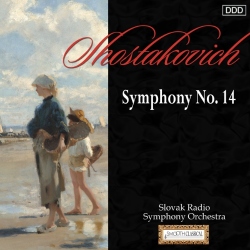
9
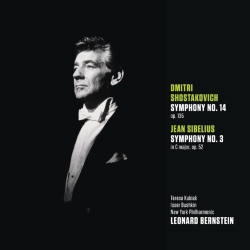
Symphony No. 14 In G minor, Op. 135
VIII. Zaporozhye Cossack's Reply to the Sultan of Constantinople. Allegro -
2:13
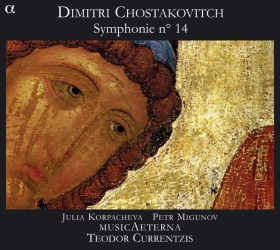
Featured Music

9
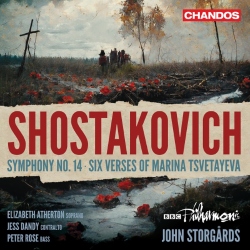
Symphony No. 14 In G minor, Op. 135
8. The Zaporozhain Cossacks' Answer to the Sultan of Constantinople. Allegro -
2:4

Main Perform Artists
Bass (Vocal)
Bass Vocal
Soprano (Vocal)
Soprano Vocal
Soprano (Vocal)
Cello