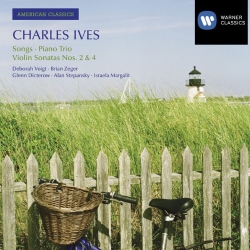
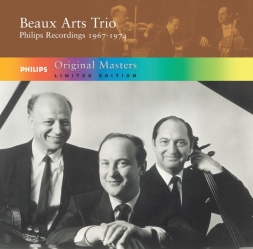
Charles Ives
Trio, for violin, violoncello & piano, S. 86
Released Album
Recent Album
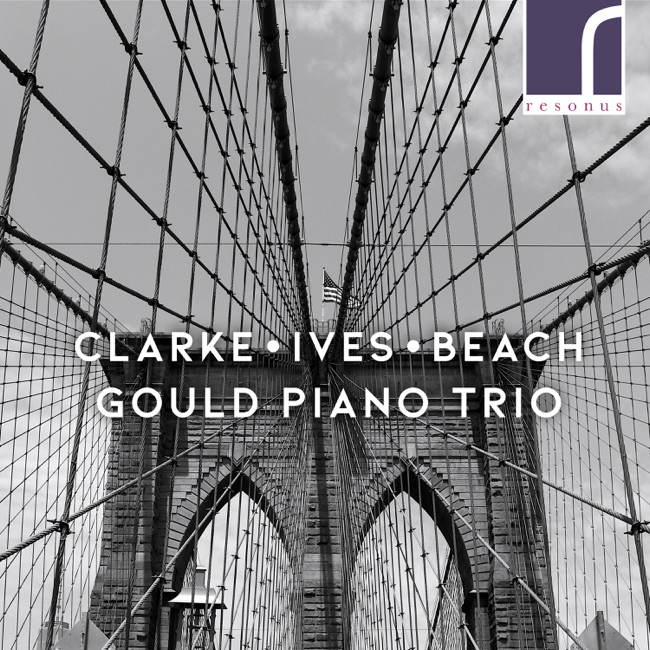
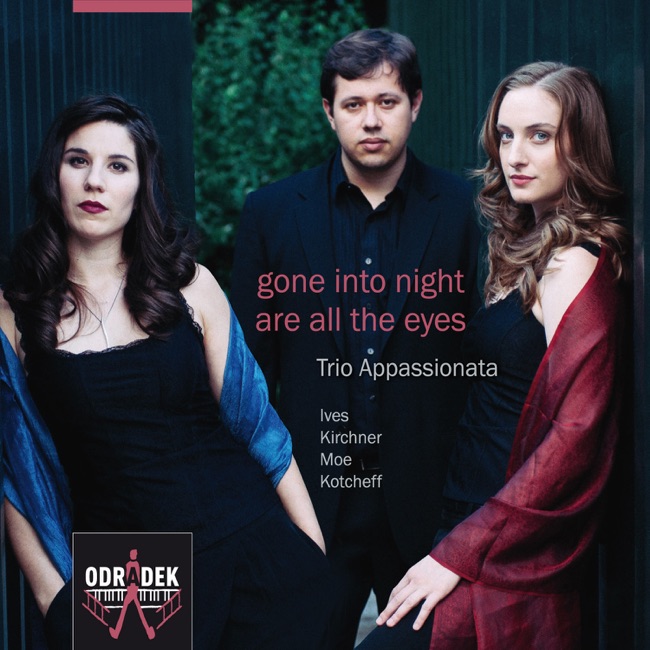
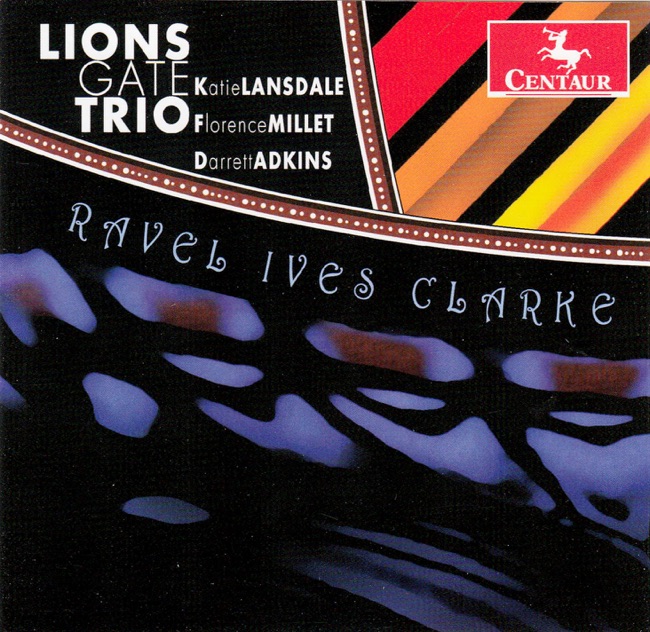
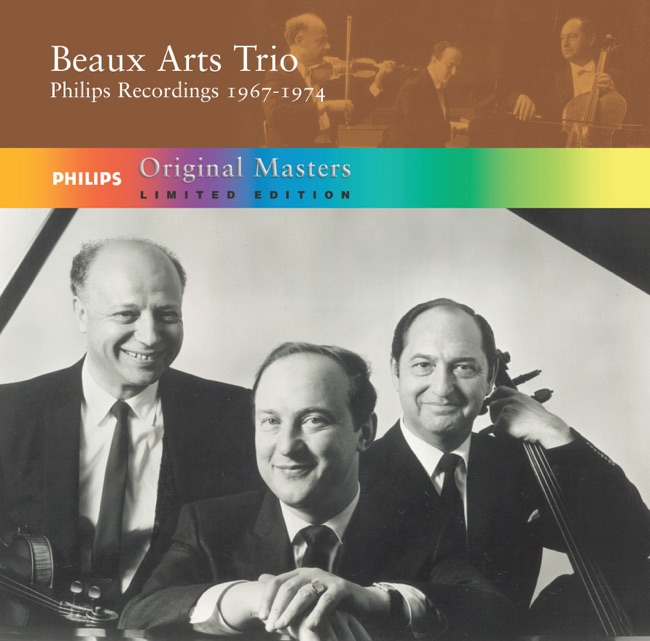
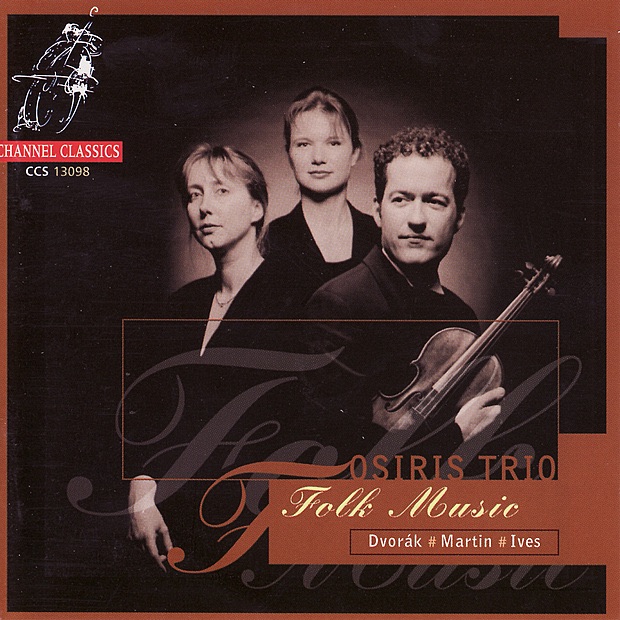
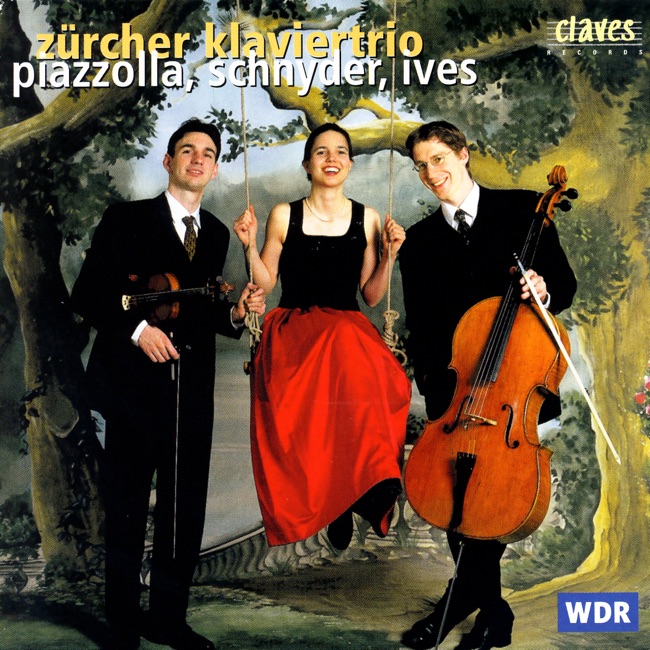
Works Info
Composer:Charles IvesGenre:ChamberStyle:TrioCompose Date:1911 - 1914Publication Date:1955First Performance:May 24, 1948Average_duration:24:18Movement_count:3Movement ....Charles Ives' Trio for Violin, Violoncello & Piano, S. 86, was composed in 1904 and premiered in 1948, long after Ives' death. The piece is divided into three movements, each with its own distinct characteristics. The first movement, marked "Moderato," begins with a simple, lyrical melody in the violin, accompanied by gentle chords in the piano and cello. The melody is then passed between the instruments, with each taking turns playing the main theme. The movement gradually builds in intensity, with the piano taking on a more prominent role and the violin and cello playing more complex and virtuosic lines. The movement ends with a return to the gentle opening theme. The second movement, marked "TSIAJ" (an acronym for "This Scherzo Is a Joke"), is a playful and whimsical scherzo. The movement is characterized by its irregular rhythms and unexpected accents, as well as its use of dissonance and unconventional harmonies. The violin and cello often play in unison, creating a sense of unity and playfulness, while the piano provides a more rhythmic and percussive accompaniment. The final movement, marked "Moderato con moto," is the longest and most complex of the three. It begins with a slow, mournful melody in the cello, accompanied by sparse chords in the piano and violin. The melody is then taken up by the violin, and the three instruments engage in a complex and intricate interplay, with each instrument contributing its own unique voice to the overall texture. The movement builds to a powerful climax, with all three instruments playing in unison, before gradually fading away to a quiet and introspective conclusion. Overall, Ives' Trio for Violin, Violoncello & Piano, S. 86, is a complex and challenging work that showcases the composer's innovative approach to harmony, rhythm, and form. The piece is characterized by its use of unconventional harmonies, irregular rhythms, and unexpected accents, as well as its intricate interplay between the three instruments. Despite its challenges, the Trio is a rewarding and engaging work that continues to captivate audiences today.More....
Works Music
Released Music
1
3:52
4
5:14
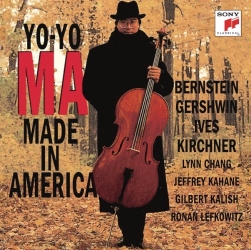
7
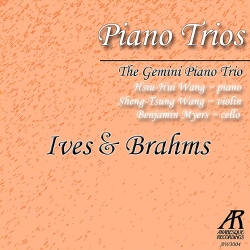
5:4