


Franz Joseph Haydn
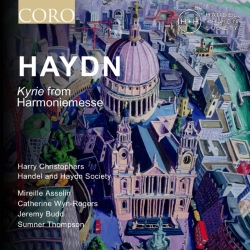
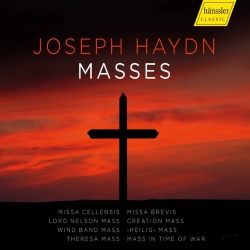
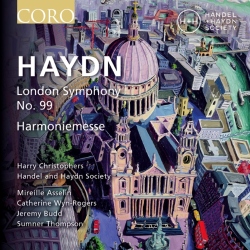
Mass in B flat major, H. 22/14 "Harmoniemesse"
Released Album
Recent Album
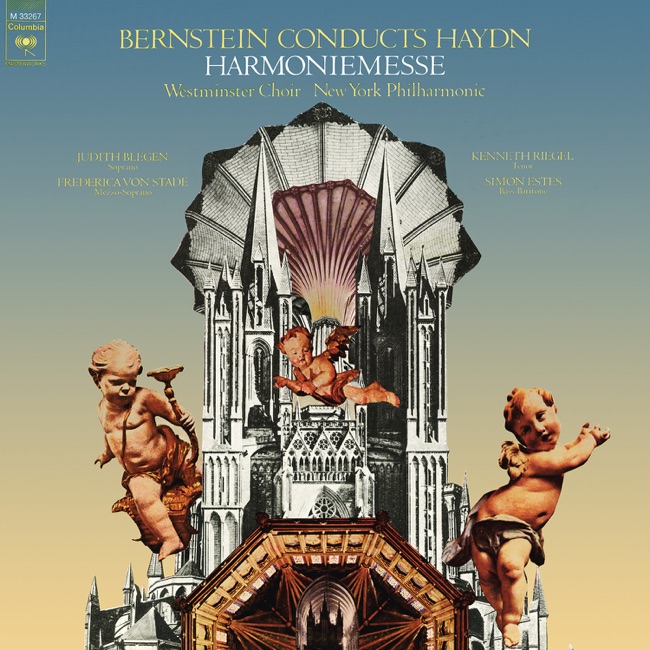
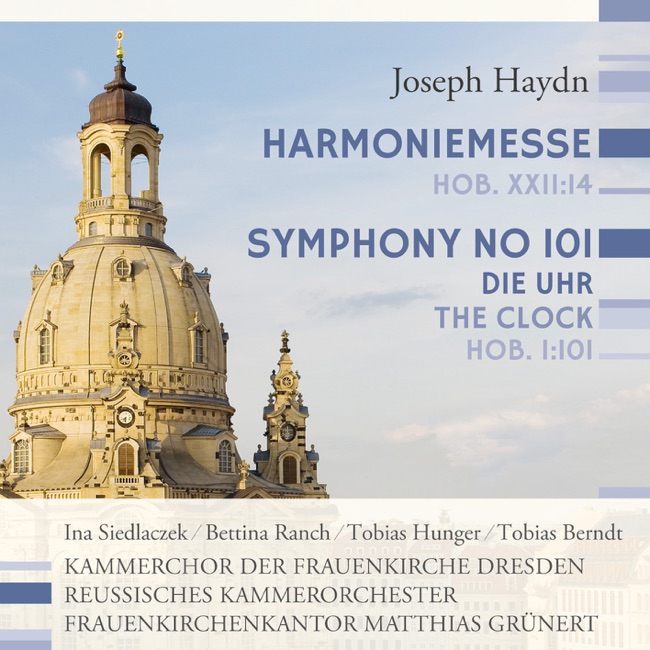

Featured Album
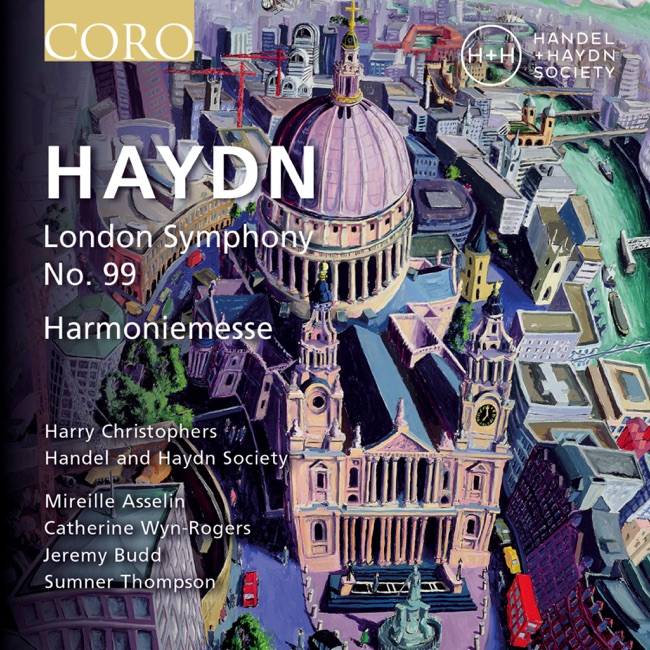
Works Info
Composer:Franz Joseph HaydnGenre:ChoralStyle:MassCompose Date:1802Average_duration:43:27Movement_count:6Movement ....Franz Joseph Haydn's Mass in B flat major, H. 22/14 Harmoniemesse, was composed in 1802 and premiered in Eisenstadt, Austria in September of the same year. The mass is also known as the Wind Band Mass due to its unique instrumentation, which includes a large wind section. The Harmoniemesse is divided into six movements: Kyrie, Gloria, Credo, Sanctus, Benedictus, and Agnus Dei. The Kyrie begins with a solemn choral introduction, followed by a lively fugue. The Gloria is characterized by its joyful and celebratory tone, with a prominent role for the wind instruments. The Credo is the longest movement, featuring a variety of musical styles and textures, including a fugue and a solo quartet. The Sanctus is marked by its grandeur and majesty, with a soaring soprano solo. The Benedictus is a duet for soprano and tenor, accompanied by a solo cello. The final movement, Agnus Dei, is a prayer for peace, with a gentle and peaceful melody. The Harmoniemesse is known for its innovative use of wind instruments, which were traditionally used only in instrumental music. Haydn's use of the wind section adds a unique color and texture to the mass, creating a rich and vibrant sound. The mass also features a variety of musical styles, from the solemn and contemplative Kyrie to the joyful and celebratory Gloria. Overall, the Harmoniemesse is a masterpiece of sacred music, showcasing Haydn's skill as a composer and his ability to create music that is both beautiful and meaningful. Its unique instrumentation and variety of musical styles make it a beloved work among both performers and audiences.More....
Works Music
Released Music
1
7:7
2
7:35
3
11:15
4
7:7
5
4:11
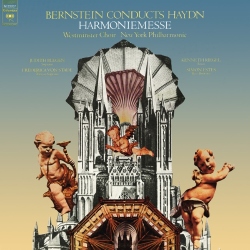
7
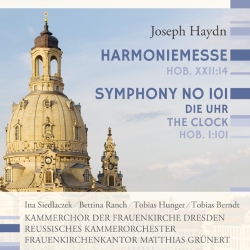
6:59
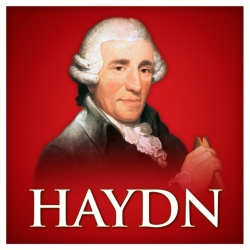
9
8:50
Featured Music
3
7:35
4
2:8
7
2:50
9
4:35
10
2:34
11
4:23
12
5:39
Main Perform Artists
Tenor Vocal
Contralto Vocal
Bass Vocal
Soprano Vocal
Choir/Chorus
Tenor Vocal
Bass Vocal
Soprano Vocal
Soprano Vocal
Alto Vocals
Tenor Vocal
Choir/Chorus