


Maurice Ravel
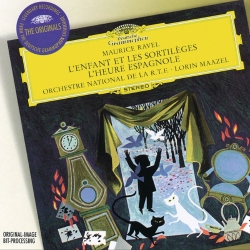
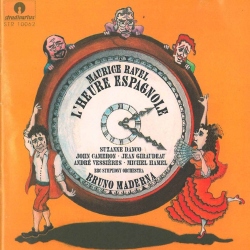
L' heure espagnole
Released Album
Recent Album



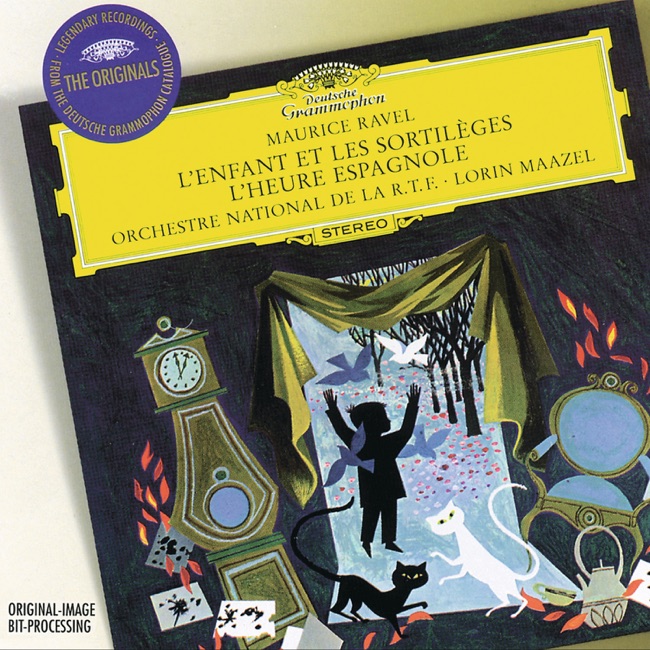
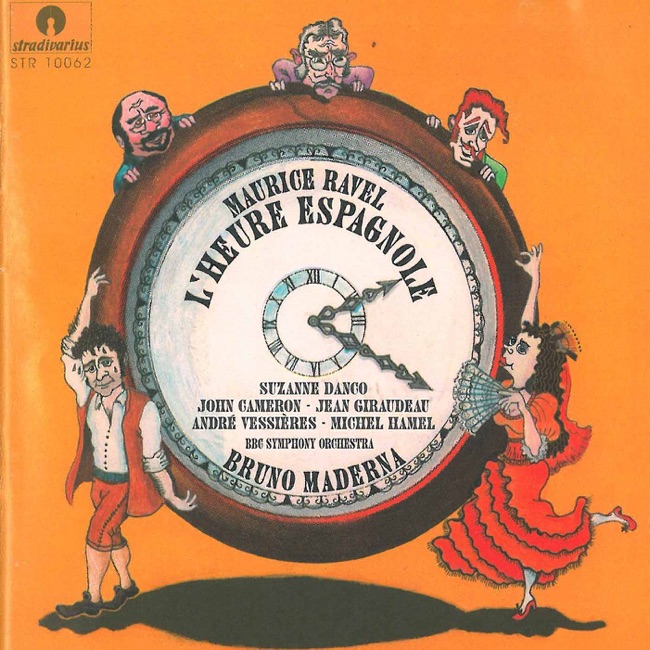
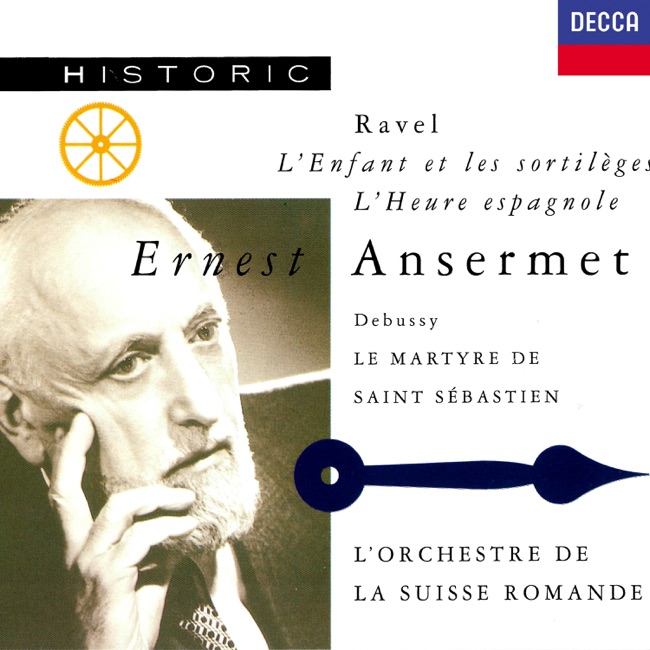
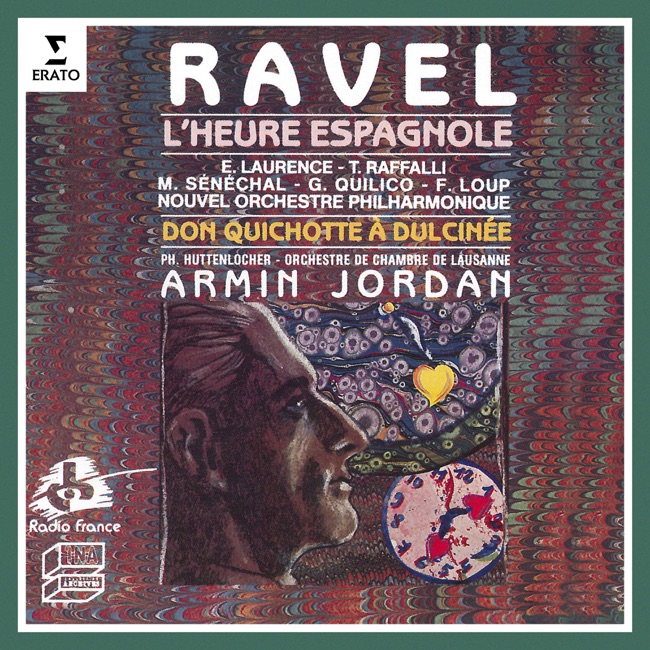
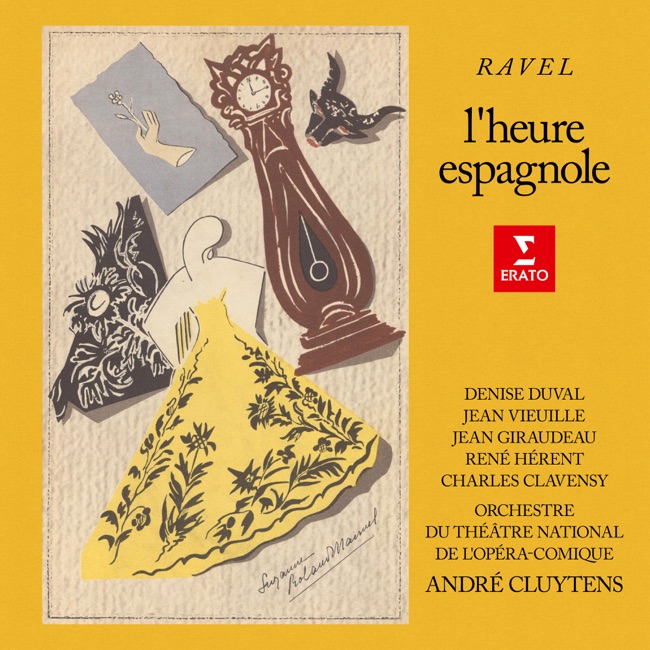
Featured Album
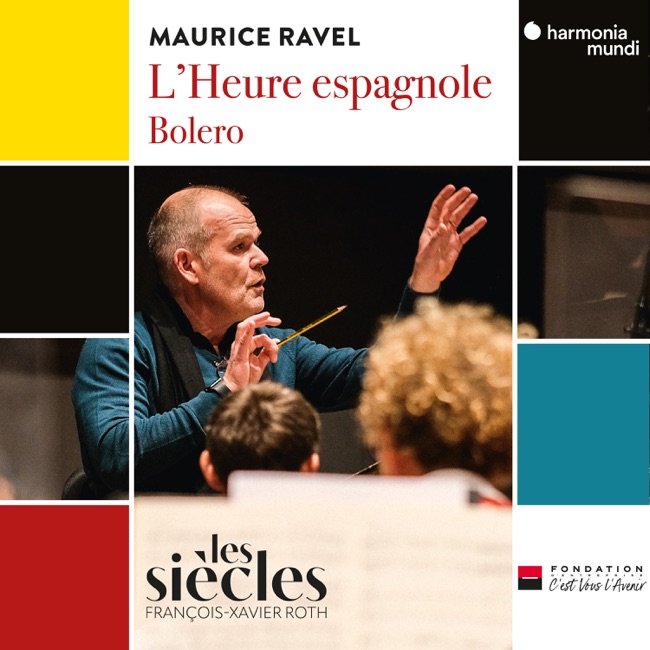

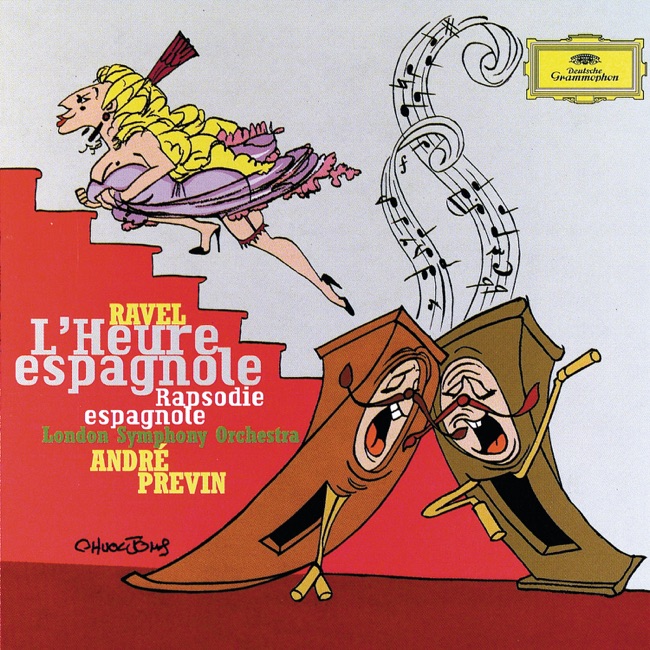
Works Info
Composer:Maurice RavelGenre:OperaStyle:OperaCompose Date:1907Average_duration:47:36L'heure espagnole is an opera composed by Maurice Ravel in 1907. The plot revolves around the character of Concepción, a beautiful and flirtatious Spanish woman who is married to a clockmaker named Torquemada. The story takes place in Torquemada's clock shop, where he keeps a collection of clocks that he must wind every week. Concepción, however, is bored with her husband and seeks the attention of other men. The opera is divided into four movements, each representing a different hour of the day. The first movement, "The Clock Shop," introduces the audience to Torquemada and his collection of clocks. Concepción enters the shop and begins to flirt with Ramiro, a muleteer who has come to have his watch repaired. She convinces Ramiro to help her move a large grandfather clock to her bedroom, where she plans to meet him later. The second movement, "Concepción's Bedroom," takes place later that day. Concepción is waiting for Ramiro to arrive, but he is delayed by his job. She becomes frustrated and begins to flirt with Gonzalve, a poet who has come to have his watch repaired. Gonzalve is more interested in his own poetry than in Concepción, and she becomes angry with him. The third movement, "The Toréador's Entrance," takes place the following day. Torquemada has hired a toréador named Don Inigo Gomez to help him move a clock. Concepción sees Don Inigo and becomes infatuated with him. She convinces him to come to her bedroom, but he is too large to fit through the window. She then tries to seduce him in the clock shop, but he is more interested in the clocks than in her. The final movement, "The Clock Shop (Reprise)," takes place later that week. Ramiro, Gonzalve, and Don Inigo all return to the clock shop at the same time. Concepción tries to juggle all three men, but they eventually discover each other's presence. Torquemada returns and is shocked to find his wife with three other men. He forgives her, however, and the opera ends with the characters winding the clocks together. L'heure espagnole premiered on May 19, 1911, at the Opéra-Comique in Paris. The opera is known for its intricate orchestration and use of Spanish rhythms and melodies. It is also notable for its comedic elements and its portrayal of strong female characters.More....
Works Music
Released Music


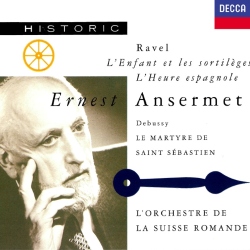
Featured Music
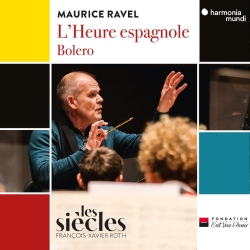

Main Perform Artists
Tenor Vocal
Vocals
Vocals
Baritone (Vocal)
Mezzo-Soprano (Vocal)