


Jean-Philippe Rameau
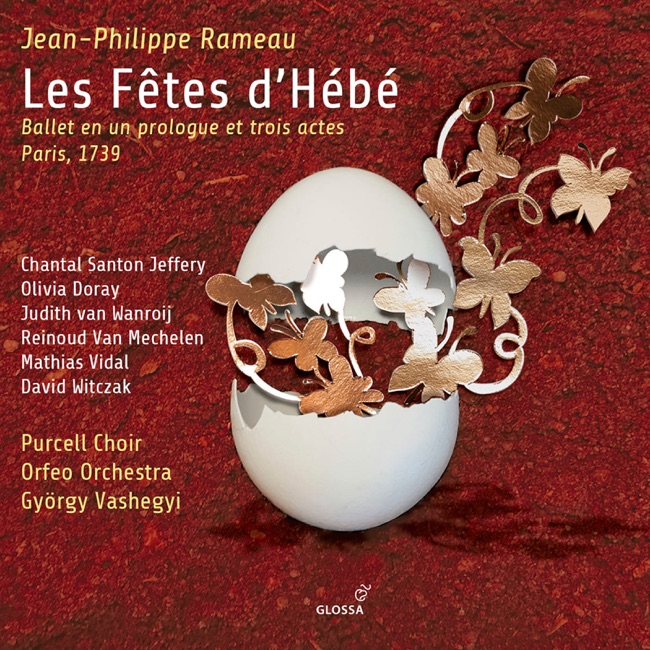
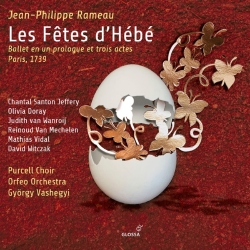
Les Fêtes d'Hébé ou Les Talents lyriques
Released Album
Recent Album

Featured Album
Works Info
Composer:Jean-Philippe RameauGenre:BalletStyle:BalletCompose Date:1739Publication Date:1739Average_duration:89:55'Les Fêtes d'Hébé ou Les Talents lyriques' is a ballet composed by Jean-Philippe Rameau in 1739. The plot revolves around the Greek goddess Hébé, who is the goddess of youth and the cupbearer of the gods. The ballet is divided into three acts, each of which represents a different celebration of Hébé's talents. The first act, titled 'Les Talents lyriques', is a celebration of music and poetry. The dancers perform to the music of Rameau, showcasing their talents in singing and dancing. The second act, titled 'Les Talents de la danse', is a celebration of dance. The dancers perform various dances, including the minuet, the gavotte, and the bourrée. The third act, titled 'Les Talents de l'opéra', is a celebration of opera. The dancers perform scenes from Rameau's operas, including 'Hippolyte et Aricie' and 'Castor et Pollux'. The ballet premiered on July 21, 1739, at the Paris Opera. It was well-received by audiences and critics alike, and it quickly became one of Rameau's most popular works. The ballet was performed several times throughout the 18th century, and it was revived in the 20th century by the French choreographer Maurice Béjart. One of the characteristics of 'Les Fêtes d'Hébé ou Les Talents lyriques' is its use of elaborate costumes and sets. The ballet was designed to be a spectacle, and Rameau spared no expense in creating a lavish production. The dancers wore colorful costumes adorned with feathers, jewels, and other embellishments, and the sets were designed to transport the audience to a mythical world of gods and goddesses. Another characteristic of the ballet is its use of dance as a storytelling device. Rameau was a master of dance music, and he used his compositions to convey the emotions and actions of the characters on stage. The dancers' movements were carefully choreographed to match the music, creating a seamless blend of music and dance. Overall, 'Les Fêtes d'Hébé ou Les Talents lyriques' is a masterpiece of French Baroque ballet. Its intricate plot, elaborate costumes, and masterful use of dance and music make it a timeless work of art that continues to captivate audiences to this day.More....
Works Music
Released Music

9
Les Fêtes d'Hébé or Les Talents lyriques
Troisième Entrée. Scene 7. Tambourin en rondeau, duo
2:15
Featured Music
3
Les Fêtes d'Hébé or Les Talents lyriques
Prologue: Prélude et scène : Les Grâces, dans ces lieux...
2:51
4
Les Fêtes d'Hébé or Les Talents lyriques
Prologue: Chœur: Que jusqu'aux cieux s'élèvent nos accords...
1:19
7
Les Fêtes d'Hébé or Les Talents lyriques
Prologue: Duo et chœur : Volons sur les bords de la Seine!...
4:15
8
Les Fêtes d'Hébé or Les Talents lyriques
Acte Deuxième: La Musique: Air: Dieux, qui me condamnez aux plus vives alarmes...
2:49
9
Les Fêtes d'Hébé or Les Talents lyriques
Acte Troisième: La Danse: Air et chœur: L'Amour règne en ces bois..
2:26
10
Les Fêtes d'Hébé or Les Talents lyriques
Acte Troisième: La Danse: Duo et chœur: Suivez les lois...
2:29
12
Les Fêtes d'Hébé or Les Talents lyriques
Acte Deuxième: La Musique: Prélude, récit et air: Pour rendre à mon hymen tout l'Olympe propice..
4:26
Recommend Playlist




Main Perform Artists
Choir/Chorus
Soprano (Vocal)
Vocals
Vocals
Vocals
Vocals
Vocals
Vocals
Vocals
Vocals
Vocals