


Alfonso X (el Sabio)
Released Album
Vocal
-
 August 20, 2024
 -
 January 26, 2024
 -
 May 19, 2023
 -
 December 3, 2021
 -
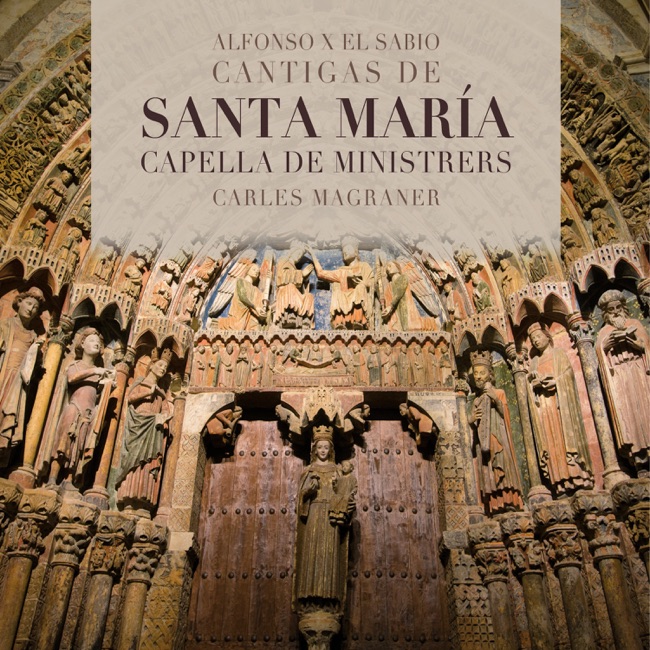 April 9, 2021
 -
 November 13, 2020
Miscellaneous
-
 September 12, 2006
Artist Info
Role:ComposerCountry: SpainBirth:November 23, 1221 in Toledo, SpainDeath:April 4, 1284 in Seville, SpainPeriod:MedievalGenre:VocalAlfonso X, also known as Alfonso el Sabio, was a Spanish monarch and composer who lived from 1221 to 1284. He was born in Toledo, Spain, the son of King Ferdinand III and Queen Beatrice of Swabia. Alfonso was the eldest of their ten children and was educated in the court of his father, where he received a thorough education in the arts and sciences. Alfonso was a patron of the arts and sciences, and he was particularly interested in music. He was a skilled musician himself, and he played several instruments, including the lute, the harp, and the organ. He was also a composer, and he wrote many pieces of music during his lifetime. One of Alfonso's most significant contributions to music was his collection of songs known as the Cantigas de Santa Maria. This collection consists of over 400 songs, all of which are dedicated to the Virgin Mary. The songs are written in Galician-Portuguese, a language that was spoken in the region of Galicia in northwestern Spain and Portugal during the Middle Ages. The Cantigas de Santa Maria is a unique collection of music because it combines elements of both sacred and secular music. The songs are written in a variety of styles, including monophonic, polyphonic, and instrumental. They also feature a wide range of instruments, including the vielle, the rebec, the psaltery, and the organ. The Cantigas de Santa Maria is also notable for its illustrations. Each song is accompanied by a miniature painting that depicts the story or miracle that the song describes. These illustrations are some of the most beautiful and detailed examples of medieval art, and they provide a fascinating glimpse into the religious and cultural life of medieval Spain. In addition to his work on the Cantigas de Santa Maria, Alfonso also wrote several treatises on music theory and notation. These treatises were influential in the development of Western music, and they helped to establish the foundations of modern music notation. Alfonso's contributions to music were not limited to his compositions and treatises. He was also a patron of musicians and music schools, and he established several institutions to promote the study and performance of music. One of these institutions was the Royal Chapel of Santa Maria la Real de las Huelgas, which was founded in 1270 and is still in operation today. Alfonso's legacy as a composer and patron of music has endured for centuries. His Cantigas de Santa Maria is still performed and studied today, and his treatises on music theory and notation are still considered important works in the field of musicology. Alfonso's contributions to music helped to shape the course of Western music, and his influence can still be felt in the music of today.More....
Recent Artist Music
3
Cantiga de Santa María 159, Non sofre Santa María de seeren perdosos
Non sofre Santa Maria (Alfonso X el Sabio, Cantiga de Rocamadour) [Instrumental]
2:51
5
Cantiga de Santa María 159, Non sofre Santa María de seeren perdosos
Non sofre Santa Maria (Alfonso X el Sabio, Cantiga de rocamadour) [Instrumental]
2:51
8
Cantiga de Santa María 23, Como Deus fez vyo d'agua ant' Archetecryo
Como Deus fez vynno No. 23 sec. XIII
5:30
9
Cantiga de Santa María 302, To mother of Jesus Christ, who is Lord of nobility
A Madre de Jhesu Cristo (Cantigas de Santa Maria)
4:23
10
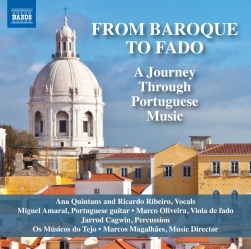
Cantiga de Santa María 23, Como Deus fez vyo d'agua ant' Archetecryo
Cantiga de Santa Maria 23 'Como Déus fez vinno d'agua ant'Arquetecrinno' (extract)
7:41
11
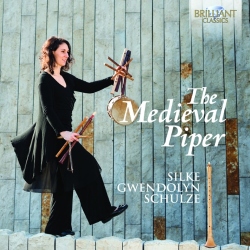
Cantiga de Santa María 340, Virgin Mother glorious
Virgen madre groriosa (Cantiga de loor 340)
2:55
12
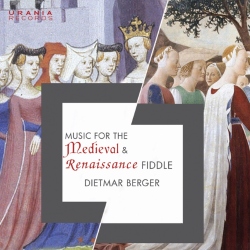
Cantiga de Santa María 302, To mother of Jesus Christ, who is Lord of nobility
A Madre de Jhesu Cristo
2:42
13
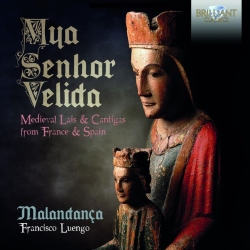
Cantiga de Santa María 200, Santa María loei
Santa Maria loei, e loo e loarei CSM200 (Cantigas de Santa Maria)
5:41
14
Cantiga de Santa María 10, Rosa das rosas and Fror das frores
Cantigas de Santa Maria - Rosa das Rosas
2:56
15
Cantiga de Santa María 265, Sempr'a Virgen santa dá bon guarardon
Ioannis ó Damaskinós (CSM 265, 13th century)
3:20
Works Highlight

Copyright Ⓒ 2013 Davinci Finger. All rights reseved
Service Terms & Policy