


Johan Svendsen
Released Album
Concerto
-
-
 August 10, 2021
 -
 November 20, 2020
 -
 December 13, 2019
 -
 August 16, 2019
 -
Orchestral
-
 January 10, 2024
 -
 July 17, 2015
 -
 October 14, 2014
 -
 August 13, 2012
 -
-
 January 24, 2012
Symphony
-
 April 1, 2013
 -
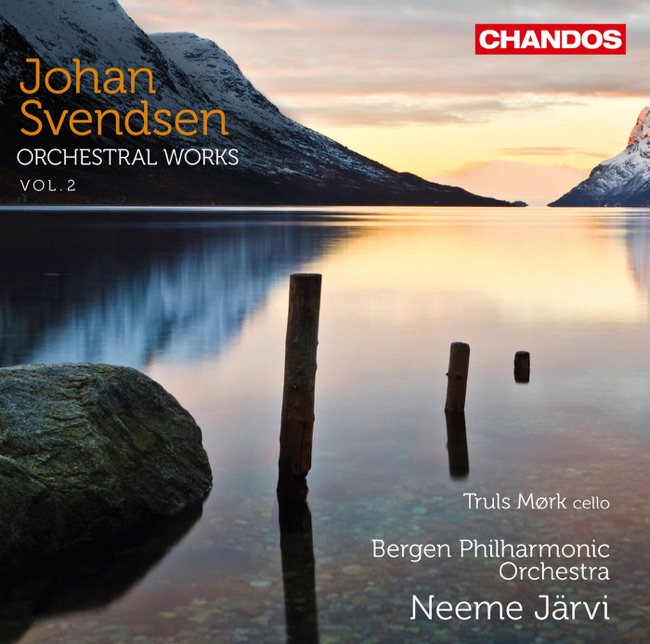 September 3, 2012
 -
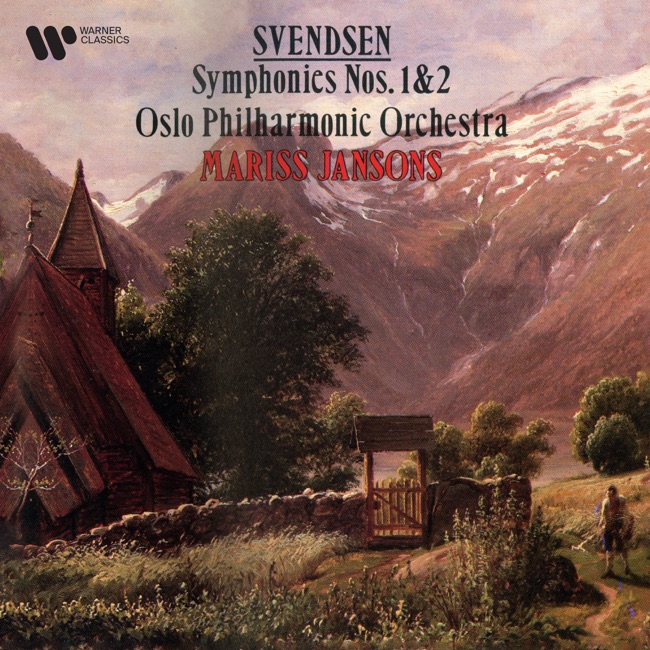 March 1, 2005
 -
 September 28, 2004
 -
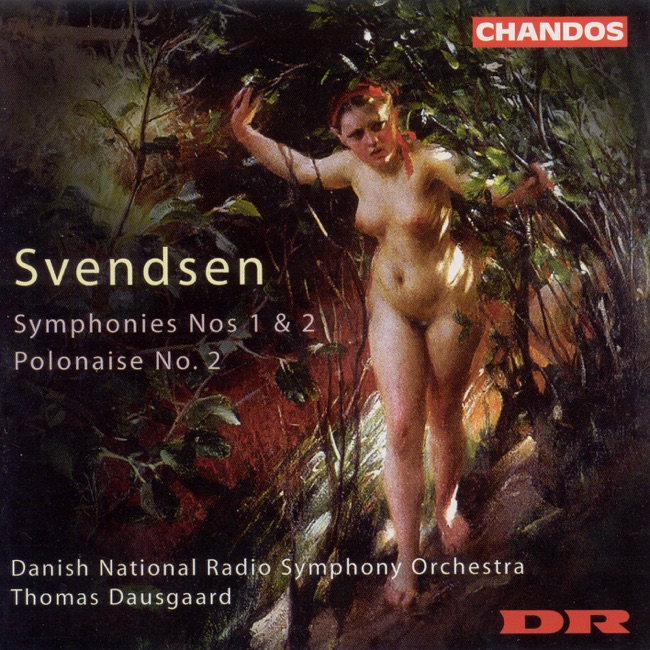 July 24, 2001
 -
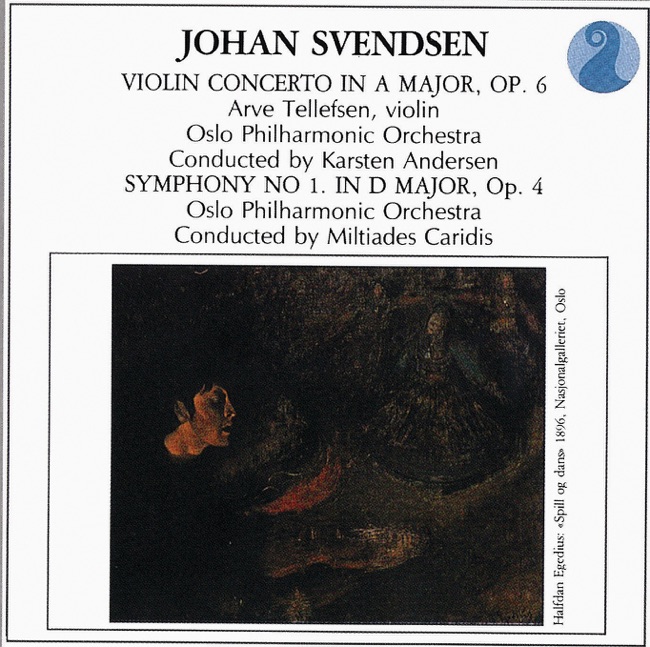 December 12, 1995
Chamber
-
 January 5, 2016
 -
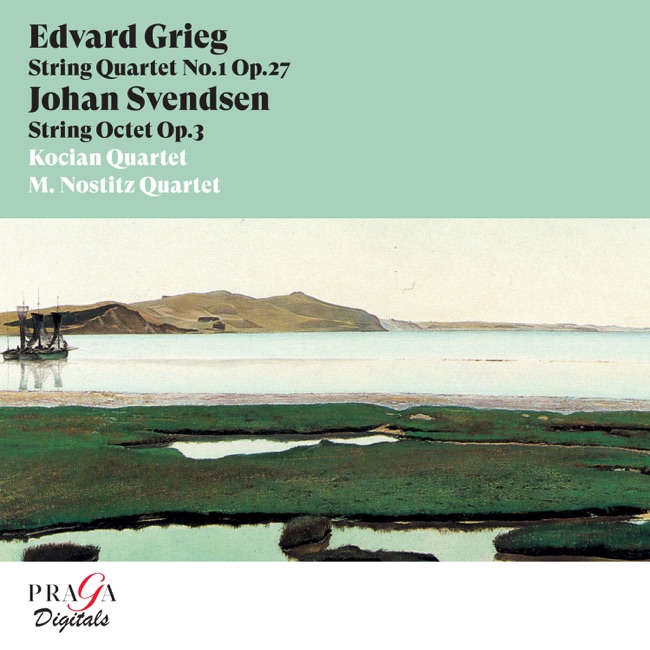
-
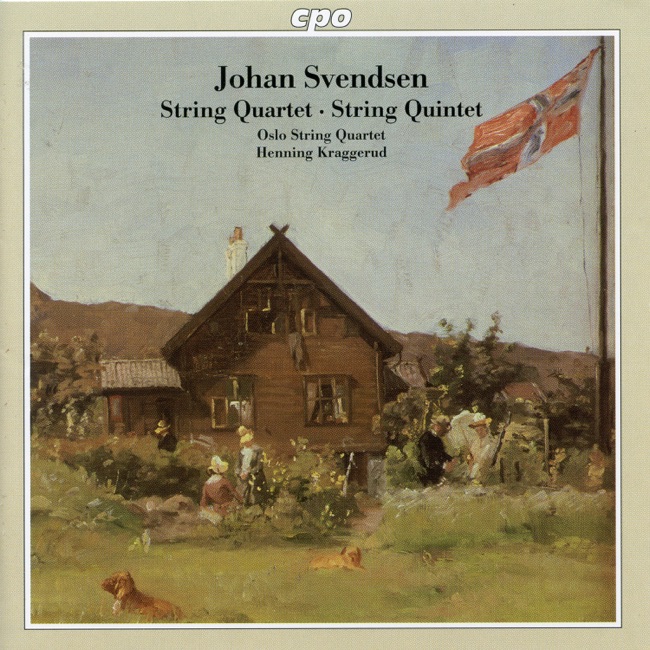 August 22, 2003
 -
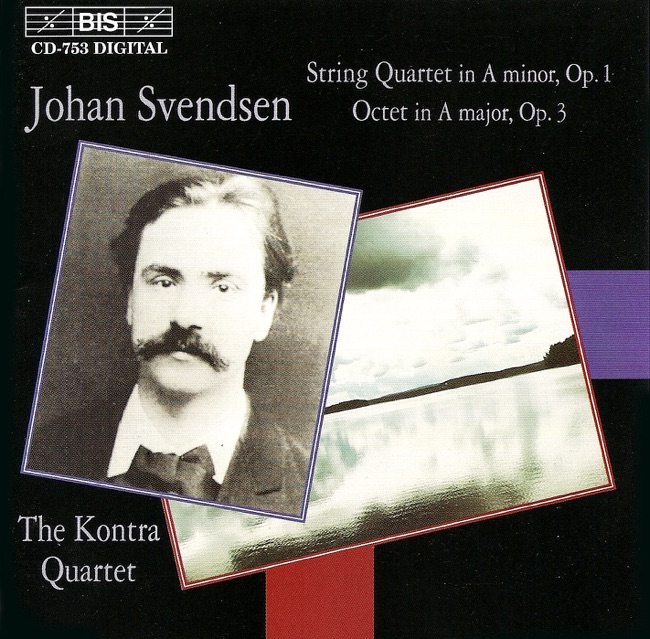 September 17, 1996
Artist Info
Role:ComposerCountry: NorwayBirth:September 30, 1840 in Christiania, NorwayDeath:June 14, 1911 in Copenhagen, DenmarkPeriod:RomanticGenre:ConcertoOrchestralJohan Svendsen was a Norwegian composer and conductor who lived from 1840 to 1911. He was born in Christiania (now Oslo), Norway, on February 30, 1840. His father was a military bandmaster, and his mother was a pianist. From a young age, Svendsen showed a talent for music, and he began playing the violin at the age of six. Svendsen's musical education began at the age of nine when he was admitted to the Oslo Music School. He studied violin, piano, and music theory there for several years. In 1857, he moved to Leipzig, Germany, to study at the Leipzig Conservatory. There, he studied composition with Julius Rietz and violin with Ferdinand David. After completing his studies in Leipzig, Svendsen returned to Norway and began working as a violinist in the Christiania Theatre Orchestra. In 1863, he was appointed conductor of the Christiania Philharmonic Society, a position he held for several years. During this time, he also composed several works, including his Symphony No. 1 in D major, Op. 4, which was premiered in 1867. In 1871, Svendsen moved to Copenhagen, Denmark, where he became conductor of the Royal Theatre Orchestra. He remained in this position for several years, during which time he composed some of his most famous works, including his Symphony No. 2 in B-flat major, Op. 15, and his Norwegian Rhapsody No. 1, Op. 17. Svendsen's music is characterized by its lyricism, rich harmonies, and use of folk melodies. He was heavily influenced by the music of his native Norway, and many of his works incorporate Norwegian folk tunes. His music is also notable for its use of orchestration, with Svendsen often using unusual combinations of instruments to create unique and colorful textures. In addition to his work as a composer and conductor, Svendsen was also a respected violinist. He often performed as a soloist with orchestras, and his virtuosic playing was praised by critics. Svendsen's Symphony No. 2 in B-flat major, Op. 15, is perhaps his most famous work. It was premiered in 1876 and quickly became popular throughout Europe. The symphony is notable for its use of Norwegian folk melodies, which are woven into the fabric of the music. The second movement, in particular, is based on a Norwegian folk tune and features a solo violin playing a haunting melody. Another of Svendsen's famous works is his Norwegian Rhapsody No. 1, Op. 17. This piece was composed in 1876 and is based on several Norwegian folk tunes. The rhapsody is notable for its use of orchestration, with Svendsen using a large orchestra to create a rich and colorful sound. Svendsen's other works include several other symphonies, as well as chamber music, choral music, and operas. His Symphony No. 1 in D major, Op. 4, is a youthful work that shows the influence of Mendelssohn and Schumann. His Symphony No. 3 in C major, Op. 27, is a more mature work that shows Svendsen's development as a composer. Svendsen's chamber music includes several works for violin and piano, as well as a string quartet and a piano trio. His choral music includes several cantatas and a setting of the Te Deum. His operas include Judith, which was premiered in 1878, and Zorahayda, which was premiered in 1889. In addition to his work as a composer and conductor, Svendsen was also a teacher. He taught at the Royal Danish Conservatory in Copenhagen and at the Oslo Music School.More....
Recent Artist Music
3
7:30
6
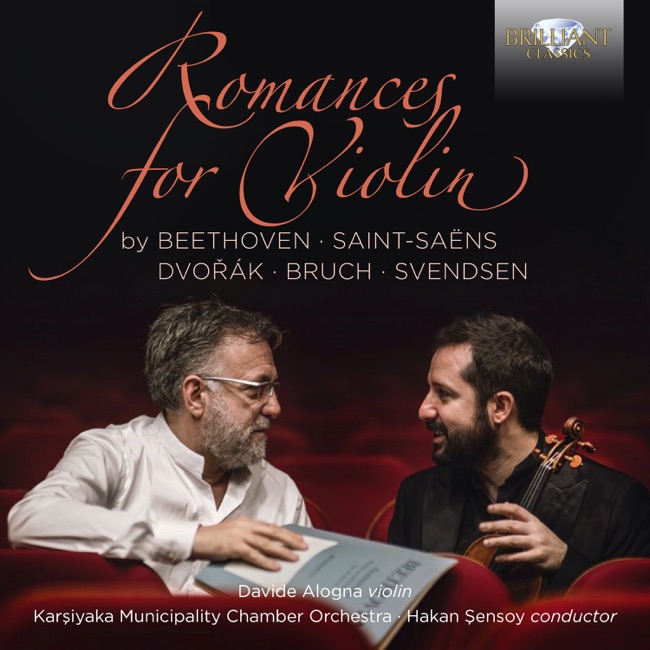
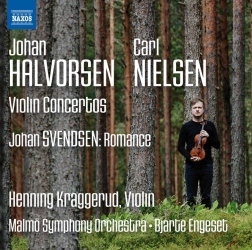
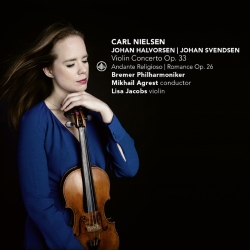
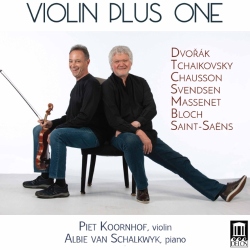
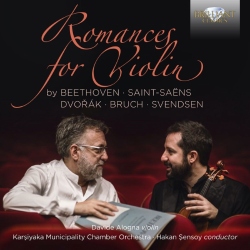
Romance in G major for violin & orchestra, Op. 26
Romance in G major, Op. 26 for cello and string orchestra (original for violin)
8:21
11
7:9
12
8:10
14
7:34
15
7:29
Recommend Playlist


Related Artists
Copyright Ⓒ 2013 Davinci Finger. All rights reseved
Service Terms & Policy