


Vasily Kalinnikov
Released Album
Symphony
-
 May 17, 2024
 -
 June 1, 2018
 -
 August 17, 2017
 -
 October 14, 2016
 -
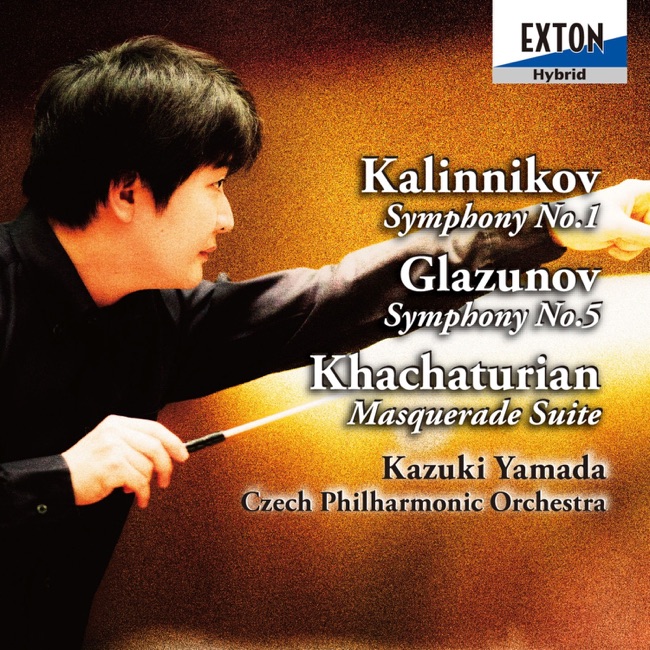
-
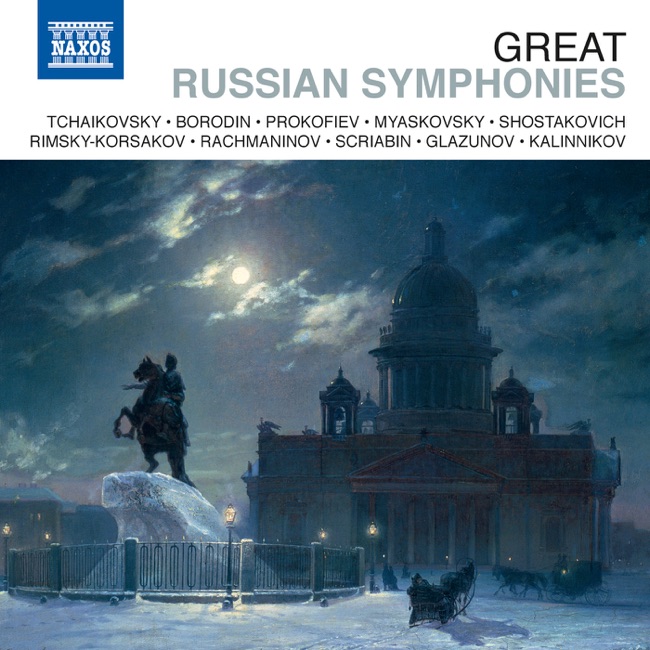 March 26, 2012
Orchestral
-
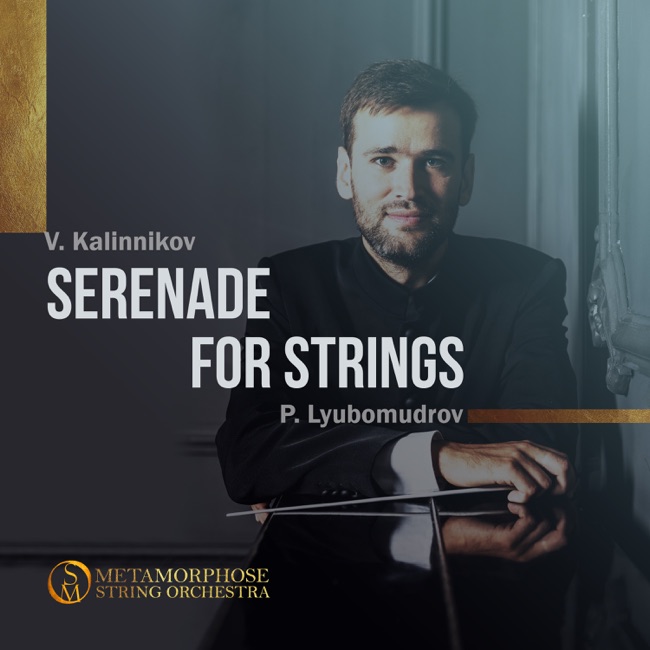 November 11, 2022
 -
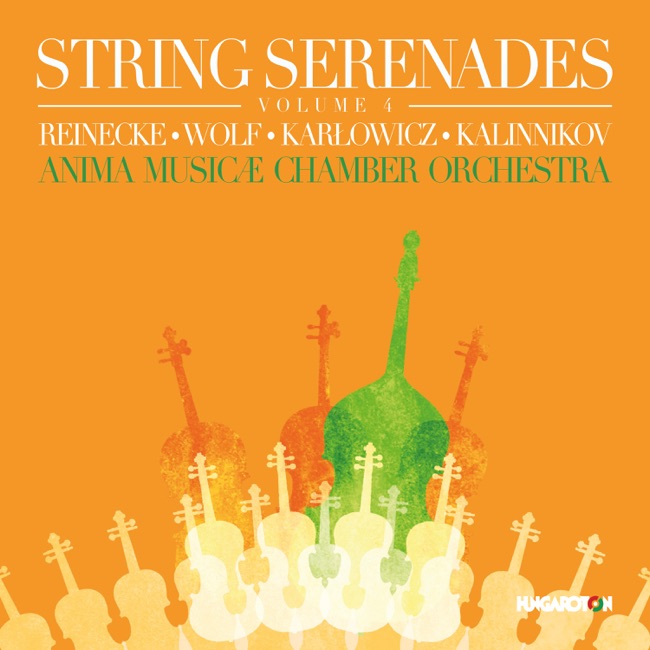 September 16, 2022
 -
-
 August 17, 2017
 -
 January 27, 2017
 -
 June 30, 2013
Keyboard
-
 November 4, 2022
 -
 December 4, 2020
 -
 August 17, 2018
 -
 February 15, 1999
Vocal
-
 April 17, 2001
Artist Info
Role:ComposerCountry: RussiaBirth:January 13, 1866 in Voin, RussiaDeath:January 11, 1901 in Yalta, RussiaPeriod:RomanticGenre:KeyboardOrchestralSymphonyVasily Sergeyevich Kalinnikov was a Russian composer born on January 13, 1866, in Voin, a small village in the Oryol Governorate of the Russian Empire. He was the youngest of five children in a family of peasant farmers. His father, Sergey Kalinnikov, was a self-taught musician who played the balalaika and sang in the local choir. His mother, Yevdokiya, was a homemaker who instilled in her children a love of music and singing. Kalinnikov's musical talent was evident from an early age. He began singing in the church choir at the age of six and learned to play the balalaika and the accordion. His father recognized his son's potential and encouraged him to pursue music. However, the family's financial situation made it difficult for Kalinnikov to receive formal training. Despite these challenges, Kalinnikov was determined to become a composer. He taught himself music theory and composition by studying scores and attending concerts whenever he could. He also worked as a church organist and choir director to gain practical experience. In 1884, Kalinnikov moved to Moscow to study at the Moscow Conservatory. He was accepted into the composition class of Sergei Taneyev, a prominent composer and teacher. Kalinnikov's talent and dedication impressed Taneyev, who became his mentor and friend. During his time at the conservatory, Kalinnikov composed several works that demonstrated his skill and originality. His Symphony No. 1 in G minor, which he completed in 1895, was particularly well-received. The symphony's lush melodies, rich harmonies, and dramatic contrasts showed Kalinnikov's mastery of orchestration and his ability to evoke powerful emotions. Kalinnikov's success as a composer was not without setbacks. He suffered from poor health throughout his life, which made it difficult for him to complete his works. He also struggled financially, as his compositions did not bring in much income. Despite these challenges, Kalinnikov remained committed to his art and continued to compose. In 1897, Kalinnikov was diagnosed with tuberculosis, a disease that was common in Russia at the time. He was forced to take a leave of absence from the conservatory and return to his hometown to recuperate. During this time, he composed his Symphony No. 2 in A major, which he dedicated to his doctor, who had helped him recover. Symphony No. 2 was another triumph for Kalinnikov. The symphony's bright, optimistic themes and lively rhythms reflected Kalinnikov's love of folk music and his belief in the power of music to uplift the spirit. The symphony was premiered in Moscow in 1902 and was an immediate success. Unfortunately, Kalinnikov's health continued to deteriorate, and he was unable to complete many of his planned works. He died on January 11, 1901, at the age of 34, leaving behind a small but significant body of work. In addition to his two symphonies, Kalinnikov composed several other works, including a suite for orchestra, a string quartet, and several songs. His music is characterized by its lyricism, warmth, and emotional depth. He was influenced by the music of Tchaikovsky, Rimsky-Korsakov, and other Russian composers of the time, but he also had a distinctive voice of his own. Kalinnikov's music has continued to be performed and recorded in the years since his death. His Symphony No. 1 and Symphony No. 2 remain popular with audiences and are considered among the finest examples of Russian symphonic music.More....
Recent Artist Music
2
1:50



Copyright Ⓒ 2013 Davinci Finger. All rights reseved
Service Terms & Policy