


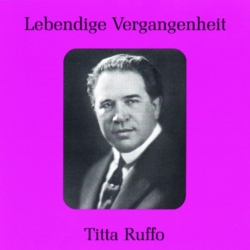
Titta Ruffo
Released Album
Opera
-
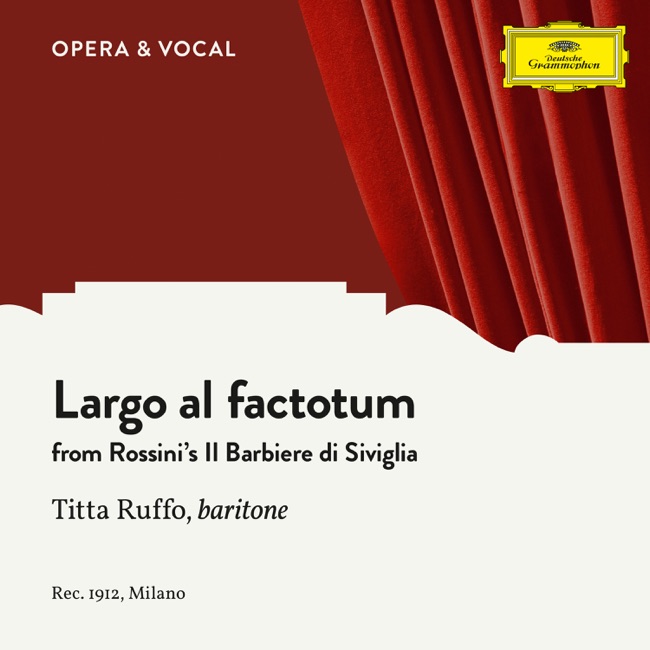 August 3, 2018
 -
 January 31, 2015
 -
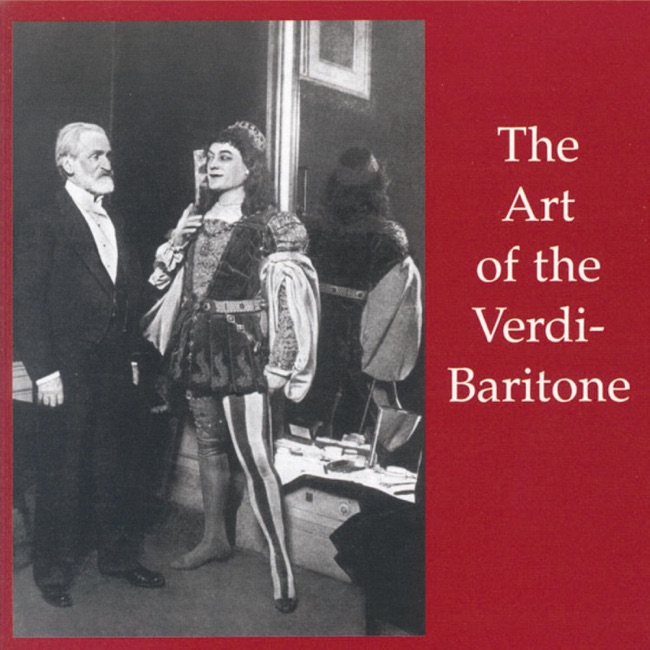 March 11, 2013
 -
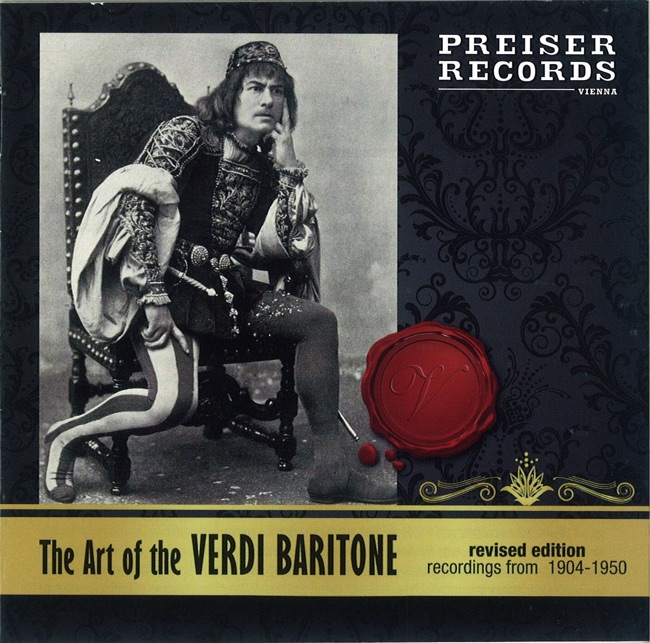 February 12, 2013
 -
 January 1, 2013
 -
 October 1, 2011
Vocal
-
 November 10, 2009
 -
 January 1, 1912
Artist Info
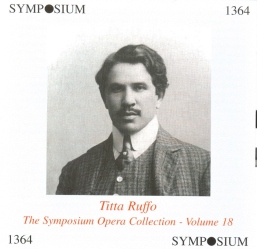
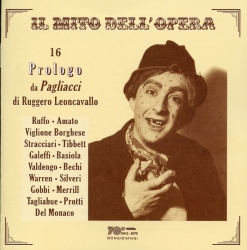
Country: ItalyBirth:June 9, 1877 in Pisa, ItalyDeath:July 5, 1953 in Florence, ItalyPeriod:RomanticGenre:OperaTitta Ruffo was a renowned Italian baritone who was born on June 9, 1877, in Pisa, Italy. He was born as Ruffo Titta Cafiero, but later changed his name to Titta Ruffo. His father was a shoemaker, and his mother was a seamstress. Ruffo grew up in a humble background, but his love for music was evident from a young age. Ruffo's musical journey began when he joined the choir of the Cathedral of Pisa at the age of nine. He received his formal music education at the Conservatory of Pesaro, where he studied under the guidance of renowned baritone Antonio Cotogni. Ruffo's talent was evident from the start, and he quickly gained recognition for his powerful voice and exceptional vocal range. Ruffo made his operatic debut in 1898 at the Teatro Constanzi in Rome, where he played the role of the Herald in Wagner's Lohengrin. He went on to perform in various Italian opera houses, including La Scala in Milan, where he made his debut in 1901. Ruffo's performances were well-received, and he quickly gained a reputation as one of the most talented baritones of his time. Ruffo's breakthrough came in 1903 when he played the role of Figaro in Rossini's The Barber of Seville at the Teatro alla Scala. His performance was a huge success, and he received critical acclaim for his powerful voice and exceptional acting skills. Ruffo's performance in The Barber of Seville marked the beginning of his international career, and he went on to perform in various opera houses across Europe and the United States. Ruffo's performances were not limited to opera houses. He also performed in concerts and recitals, where he showcased his exceptional vocal range and versatility. Ruffo's performances were not only limited to classical music; he also performed popular songs and folk music, which further cemented his reputation as a versatile artist. Ruffo's career reached new heights in 1910 when he played the role of Scarpia in Puccini's Tosca at the Metropolitan Opera in New York. His performance was a huge success, and he received critical acclaim for his powerful voice and exceptional acting skills. Ruffo's performance in Tosca marked the beginning of his long association with the Metropolitan Opera, where he went on to perform in various productions over the years. Ruffo's performances were not limited to the stage. He also appeared in several films, including the silent film The Song of Love in 1923. Ruffo's appearance in films further cemented his reputation as a versatile artist. Ruffo's career was not without its challenges. He suffered from vocal problems in the early 1920s, which forced him to take a break from performing. However, he made a comeback in 1924, and his performances were as powerful as ever. Ruffo's career spanned over three decades, and he retired from performing in 1935. He spent his retirement years in Florence, where he taught singing and continued to be involved in the music industry. Ruffo passed away on July 5, 1953, at the age of 76. Ruffo's contributions to the world of classical music were immense. He was known for his powerful voice, exceptional vocal range, and versatility. Ruffo's performances were not limited to opera houses; he also performed in concerts, recitals, and films. Ruffo's legacy continues to inspire generations of musicians, and he remains one of the most celebrated baritones of all time.More....
Recent Artist Music
Related Artists
Copyright Ⓒ 2013 Davinci Finger. All rights reseved
Service Terms & Policy