


Renato Brogi
Released Album
Vocal
-
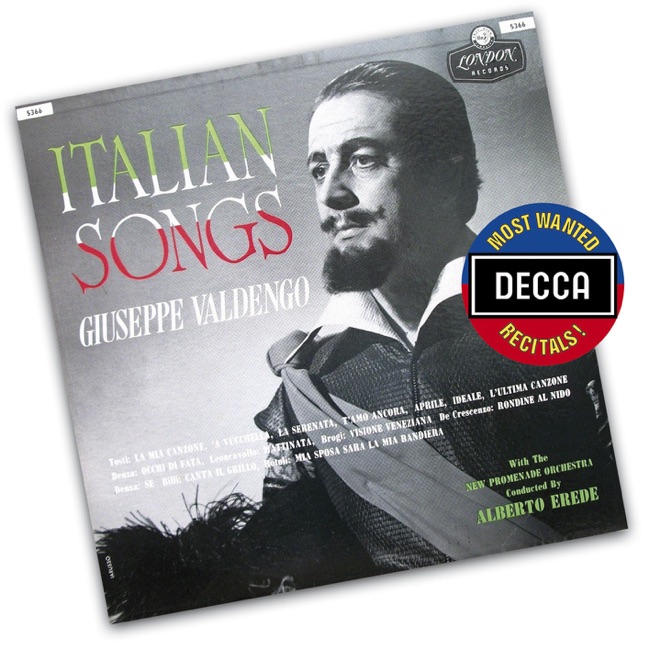 July 7, 2014
 -
 July 1, 2014
 -
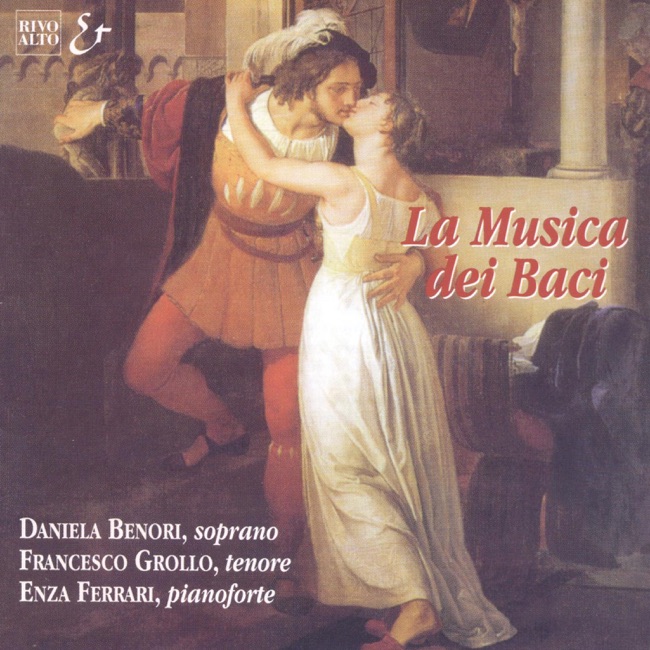 September 24, 2013
 -
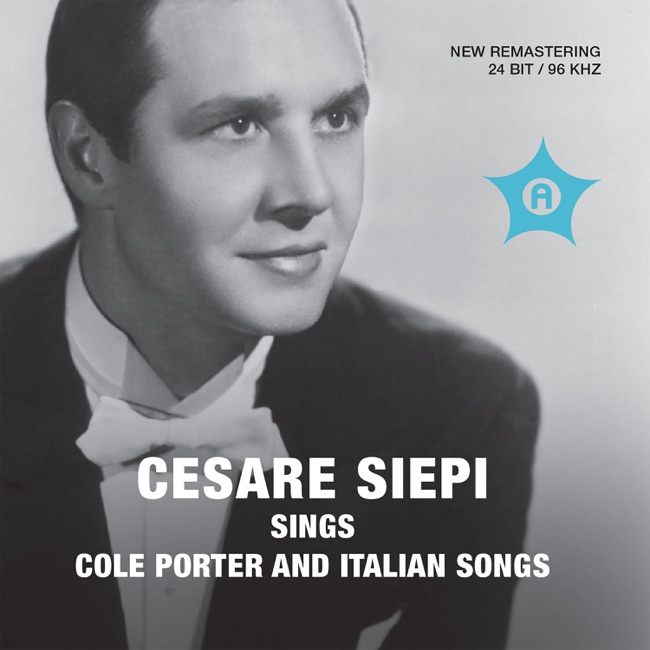 December 6, 2011
 -
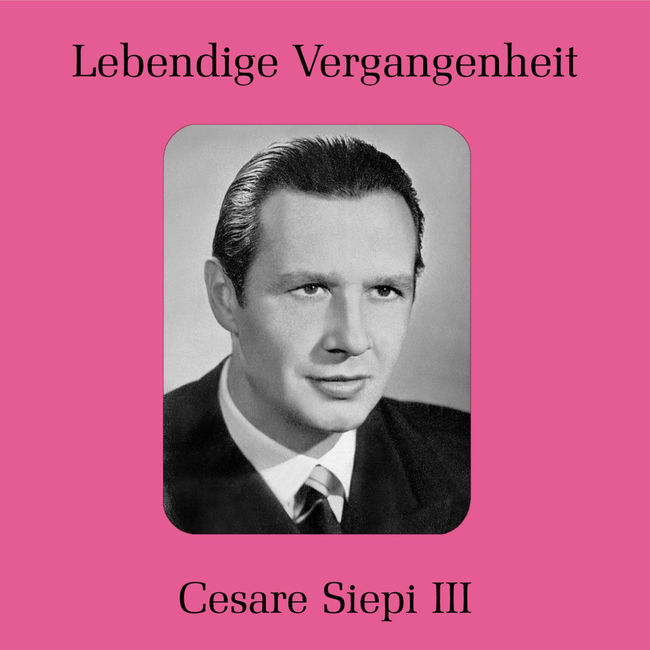 January 11, 2011
 -
 November 10, 2009
Artist Info
Role:ComposerBirth:1873Death:1924Period:RomanticGenre:VocalRenato Brogi was an Italian composer born on January 1, 1897, in the city of Florence. He was the son of a music teacher and grew up in a family that was passionate about music. His father recognized his son's talent for music at an early age and began teaching him how to play the piano and the violin. Brogi's musical education continued at the Conservatory of Florence, where he studied composition with the renowned composer Ildebrando Pizzetti. He also studied piano with Carlo Vidusso and violin with Enrico Polo. During his time at the conservatory, Brogi developed a deep appreciation for the music of the Renaissance and Baroque periods, which would later influence his own compositions. After completing his studies, Brogi began his career as a composer and conductor. He quickly gained a reputation for his innovative and experimental approach to music, which was influenced by the avant-garde movements of the early 20th century. His early works were characterized by their use of dissonance, unconventional harmonies, and complex rhythms. One of Brogi's most significant early works was his Symphony No. 1, which he composed in 1923. The symphony was well-received by critics and established Brogi as a major figure in the Italian classical music scene. The work was notable for its use of polyrhythms and unconventional harmonies, which were inspired by the music of Stravinsky and Bartok. Throughout the 1920s and 1930s, Brogi continued to compose and conduct, and his reputation as a composer grew. He was particularly known for his choral works, which were often performed by the leading choirs of the day. One of his most famous choral works was his Requiem, which he composed in 1932. The work was a tribute to his father, who had passed away the previous year, and was notable for its use of polyphonic textures and complex harmonies. In the 1940s, Brogi's career was interrupted by World War II. He was drafted into the Italian army and served as a medic on the front lines. During this time, he continued to compose music, often using the sounds of war as inspiration. One of his most famous works from this period was his Symphony No. 2, which he composed in 1943. The symphony was a response to the horrors of war and was notable for its use of dissonance and unconventional harmonies. After the war, Brogi returned to his career as a composer and conductor. He continued to experiment with new musical forms and techniques, and his music became increasingly complex and challenging. One of his most famous works from this period was his String Quartet No. 2, which he composed in 1950. The work was notable for its use of serialism, a technique that Brogi had been experimenting with since the 1940s. In the 1960s, Brogi's music began to receive international recognition. His works were performed by leading orchestras and choirs around the world, and he was invited to serve as a guest conductor for many of these performances. One of his most famous works from this period was his Symphony No. 3, which he composed in 1965. The symphony was a tribute to the city of Florence, where Brogi had spent his entire life, and was notable for its use of Renaissance and Baroque musical forms. Brogi continued to compose and conduct until his death on December 22, 1975. He left behind a legacy of innovative and challenging music that continues to inspire composers and musicians today.More....
Recent Artist Music
1
3:13

8
3:25
Copyright Ⓒ 2013 Davinci Finger. All rights reseved
Service Terms & Policy