


Joseph Martin Kraus
Released Album
Symphony
-
 March 2, 2024
 -
 March 26, 2020
 -
 November 3, 2017
 -
 June 24, 2016
 -
 May 19, 2015
 -
 July 8, 2014
Orchestral
-
 April 1, 2012
 -
 December 1, 2011
 -
 November 20, 2007
 -
 September 25, 2007
 -
 January 1, 1995
Opera
-
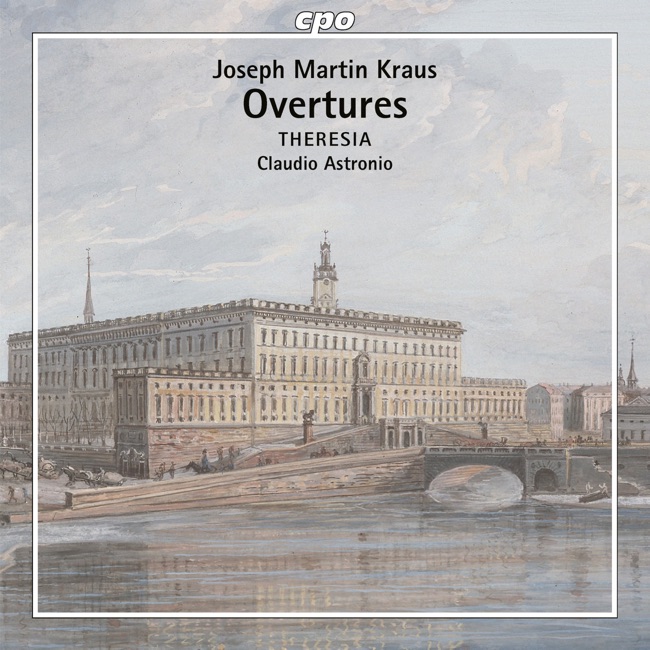 January 5, 2024
 -
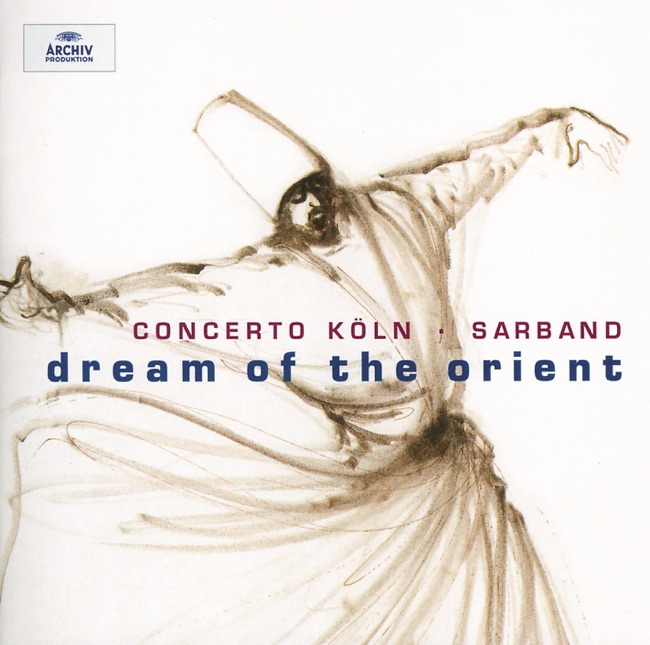 July 8, 2013
 -
 April 1, 2012
 -
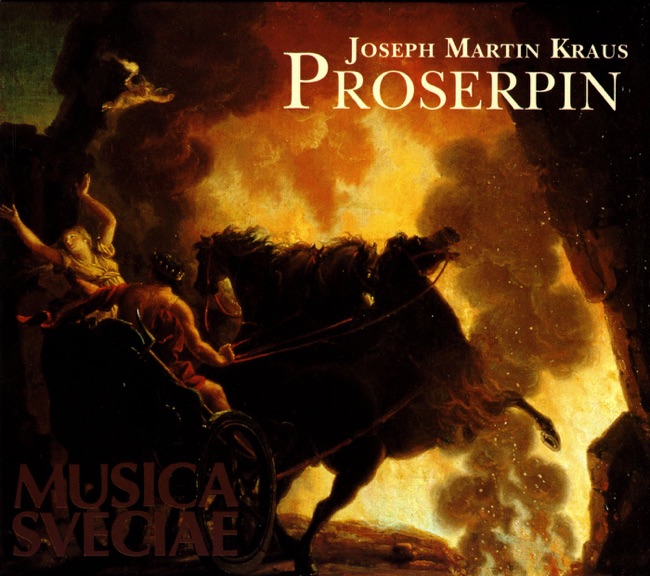 March 1, 2012
 -
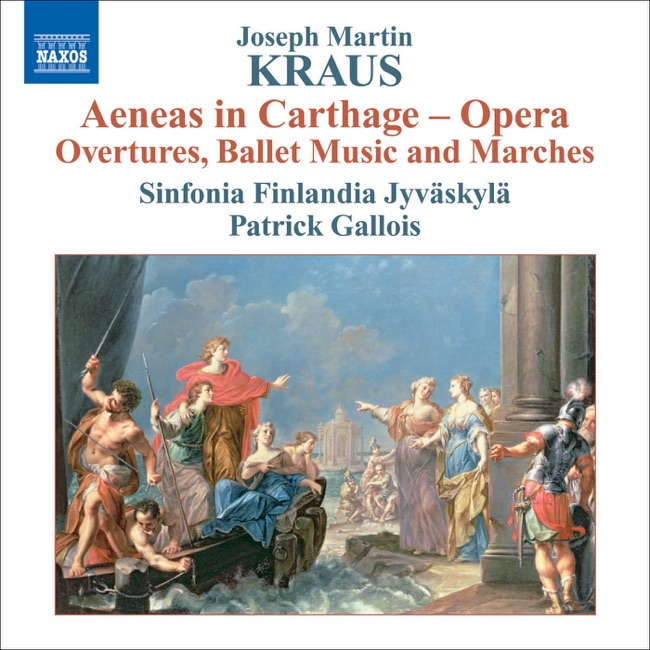 January 26, 2010
 -
 February 27, 2001
Miscellaneous
-
-
 March 1, 2012
 -
 June 30, 2009
 -
 August 26, 2008
Artist Info
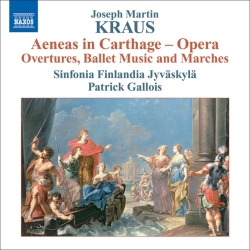
Role:ComposerCountry: GermanyBirth:June 20, 1756 in Miltenberg-am-Main, GermanyDeath:December 15, 1792 in Stockholm, SwedenPeriod:ClassicalGenre:ChamberSymphonyJoseph Martin Kraus was a German-Swedish composer born on June 20, 1756, in Miltenberg am Main, Germany. He was the son of a schoolmaster and organist, and his father was his first music teacher. Kraus showed an early talent for music, and at the age of 14, he was sent to study at the Jesuit Gymnasium in Mannheim, where he received a thorough education in music theory and composition. In 1773, Kraus moved to Vienna to study law, but he soon became more interested in music and began taking lessons from the renowned composer Johann Georg Albrechtsberger. Kraus quickly established himself as a talented composer, and his works were performed at the court of Emperor Joseph II. In 1778, he was appointed court composer to the King of Sweden, Gustav III, and he moved to Stockholm to take up his new position. Kraus spent the rest of his life in Sweden, where he became one of the most important composers of his time. He was a prolific composer, and his works include symphonies, chamber music, operas, and choral music. Kraus was known for his innovative use of harmony and his ability to blend different musical styles, including the classical style of Mozart and Haydn and the more dramatic style of Gluck and the Italian opera composers. One of Kraus's most famous works is his Symphony in C minor, which was composed in 1783. The symphony is a powerful and dramatic work, with a dark and brooding opening movement that is reminiscent of the music of Mozart's Don Giovanni. The second movement is a beautiful and lyrical adagio, while the third movement is a lively and energetic minuet. The final movement is a thrilling and virtuosic finale that showcases Kraus's skill as a composer. Kraus also composed a number of operas, including Aeneas in Carthage, which was first performed in 1791. The opera is based on the story of Aeneas and Dido from Virgil's Aeneid, and it features some of Kraus's most beautiful and expressive music. The opera was a great success, and it helped to establish Kraus's reputation as one of the leading composers of his time. In addition to his work as a composer, Kraus was also a respected music theorist and critic. He wrote a number of essays on music theory and aesthetics, and he was a strong advocate for the use of harmony and counterpoint in music. Kraus was also a champion of the music of Mozart and Haydn, and he helped to introduce their works to the Swedish public. Kraus died on December 15, 1792, at the age of 36. His death was a great loss to the world of music, and his works were largely forgotten for many years. However, in recent years, there has been a renewed interest in Kraus's music, and his works are now being performed and recorded by a new generation of musicians. In conclusion, Joseph Martin Kraus was a talented and innovative composer who made a significant contribution to the world of classical music. His works are characterized by their expressive melodies, innovative harmonies, and dramatic intensity, and they continue to inspire and delight audiences today. Kraus's legacy as a composer and music theorist is an important part of the history of classical music, and his works are a testament to his enduring talent and creativity.More....
Recent Artist Music


5
2:17



12

14:12
13
Symphony in D major, Ex. 146
Symphony in D major 'Sinfonia da chiesa': Andante maestoso - Allegro maestoso
8:59
14
4:33
Recommend Playlist




Related Artists
Copyright Ⓒ 2013 Davinci Finger. All rights reseved
Service Terms & Policy